Shark Tournament | National Geographic
TL;DR
Overfishing threatens shark populations, prompting research through catch-and-release sport fishing tournaments.
Transcript
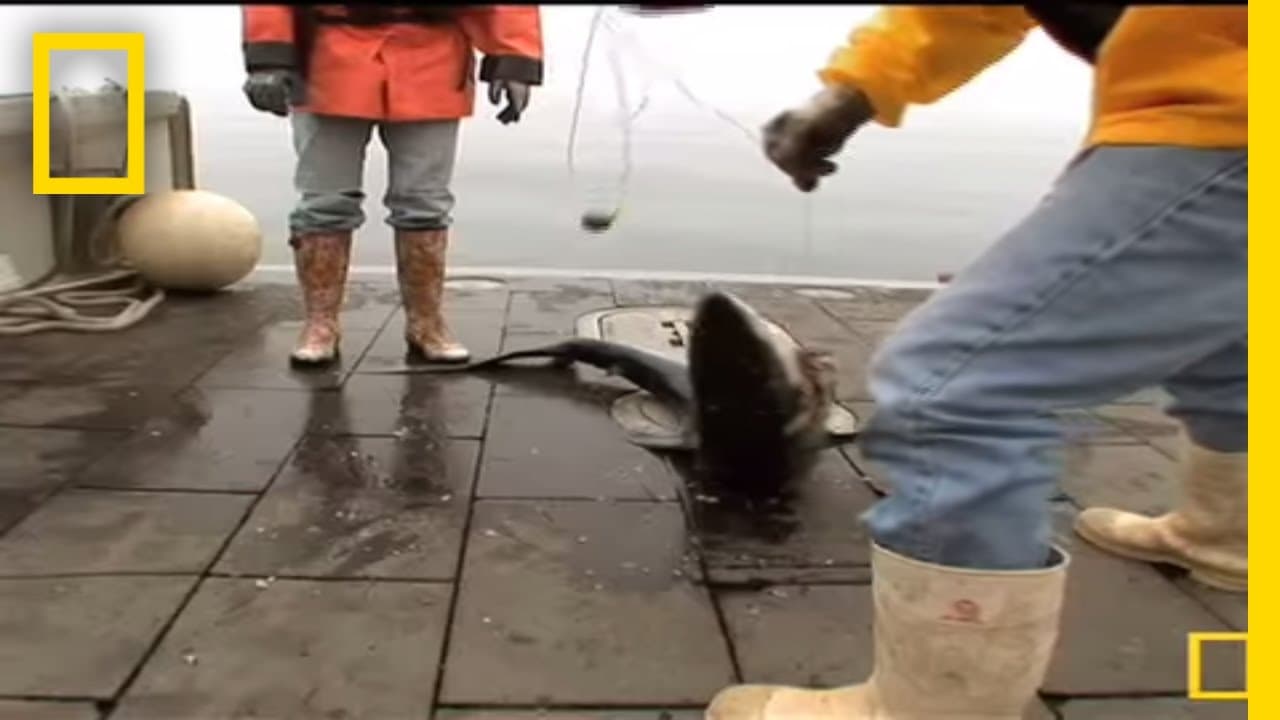
this is wild Chronicles humans may fear sharks but it seems sharks have more to fear from humans a recent study suggests that overfishing has slashed the population of sharks just in the past decade for many species the numbers have dropped by more than 50 percent despite concerns people continue reeling in these top predators for food and sport in... Read More
Key Insights
- 🦈 Overfishing has significantly reduced shark populations in the past decade.
- 🦈 Catch-and-release sport fishing tournaments provide researchers with valuable data on shark populations and behavior.
- 🧑🔬 Scientists study shark anatomy and diet to understand the impact of pollution and habitat changes.
- 🦈 Cooperation between sportsmen and conservationists is crucial for shark conservation efforts.
- 👨🔬 Research through sport fishing tournaments benefits shark populations and provides valuable data for conservation efforts.
- 👻 Catch-and-release methods allow sharks to be studied without causing harm to the population.
- 🦻 More data and specimens are collected through sport fishing tournaments, aiding in shark conservation.
Install to Summarize YouTube Videos and Get Transcripts
Explore YouTube Video Summarizer or Get YouTube Transcript Extractor
Questions & Answers
Q: How has overfishing impacted shark populations in the past decade?
Overfishing has led to a significant decrease in shark populations, with some species experiencing more than a 50% decline in numbers.
Q: What is the purpose of catch-and-release sport fishing tournaments in relation to shark research?
Catch-and-release tournaments provide researchers with valuable data on shark populations, behavior, and habitats while allowing sharks to be released back into the wild.
Q: How do scientists study the impact of pollution and habitat changes on shark populations?
By examining the contents of sharks' stomachs, guts, and reproductive systems, scientists aim to understand the effects of pollution and habitat changes on shark populations.
Q: Why is the cooperation between sportsmen and conservationists crucial in protecting sharks?
The collaboration between sportsmen and conservationists allows for the conservation of shark populations, with researchers gaining access to valuable specimens for study, ultimately benefiting shark conservation efforts.
Summary & Key Takeaways
-
Overfishing has drastically reduced shark populations in just a decade, with some species declining by over 50%.
-
Sport fishing tournaments promote shark research through catch-and-release methods on the Atlantic seaboard.
-
By studying sharks' data and behavior, researchers aim to protect these vulnerable predators despite controversies.
Read in Other Languages (beta)
Share This Summary 📚
Summarize YouTube Videos and Get Video Transcripts with 1-Click
Try YouTube Summary with ChatGPT & Claude or YouTube Transcript Generator
Explore More Summaries from National Geographic 📚



Summarize YouTube Videos and Get Video Transcripts with 1-Click
Try YouTube Summary with ChatGPT & Claude or YouTube Transcript Generator