Meeting Vikram Batra: Reporting Kargil War Live - Journalist's Honest Experience
TL;DR
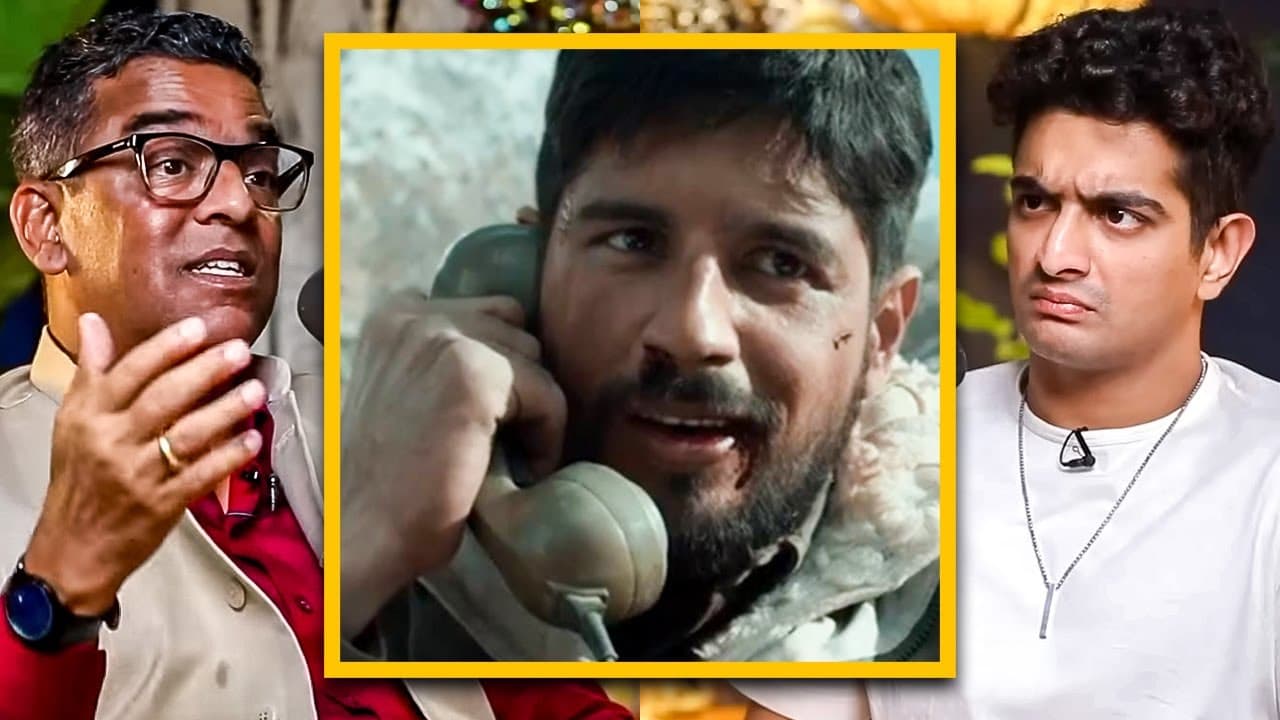
A journalist shares insights from reporting in Kargil during the war, highlighting soldier dedication and personal challenges.
Transcript
binge watch and learn on DRS clips you reported Cargill from on ground uh why did you decide to actually go there well the credit must go to my best editor that I worked in my career vinod Mehta of Outlook and there was no way sitting in the Northeast in guwahati that I would have had a chance to go and report from Cargill which is the Other Extrem... Read More
Key Insights
- 📔 The main motivation for the journalist to cover Kargil originated from a recommendation by his editor, showcasing the importance of mentorship in career progress.
- ⌛ Kargil presented unique logistical challenges for journalists, including harsh living conditions and limited time for reporting.
- 🤗 First-hand experiences with soldiers provided invaluable insights into their lives, significantly influencing the journalist's understanding of military sacrifice and Patriotism.
- 😨 The emotional aspect of soldiering, including their fears and human vulnerabilities, is often underrepresented in media portrayals compared to the glory of their actions.
- 🛟 The journalist emphasizes the relentless spirit and dedication of Indian soldiers, who serve without questioning, embodying the true essence of bravery.
- 😨 Personal fears related to family responsibilities were overshadowed by professional excitement and commitment to truthful reporting during the Kargil assignment.
- 😀 There is a disparity between the experiences faced in conflict zones and the public's perception of soldiers portrayed in films, revealing a need for more authentic narratives.
Install to Summarize YouTube Videos and Get Transcripts
Explore YouTube Video Summarizer or Get YouTube Transcript Extractor
Questions & Answers
Q: What motivated the journalist to go to Kargil?
The journalist was motivated by his editor, Vinod Mehta's belief in his ability to report from the challenging environment due to his prior experience working in the Northeast and understanding military affairs. This opportunity was seen as both exciting and a significant responsibility, given the gravity of the situation in Kargil.
Q: How did the journalist prepare for his assignment in Kargil?
Upon arriving in Delhi, the journalist quickly prepared for his mission by gathering essential supplies like rice, biscuits, and water, due to the lack of accommodations and food options in Kargil. His experience and prior conversations with colleagues aided him in understanding the reporting challenges he would face.
Q: What was the journalist’s experience living with soldiers in Kargil?
Living with soldiers allowed the journalist to deeply observe their daily lives, including sharing rations and understanding their camaraderie. This first-hand experience helped him appreciate their sacrifices and commitment, contributing to his reports that raised critical questions about military operations.
Q: How does the journalist view the portrayal of military life in movies compared to reality?
The journalist feels that movies often fail to capture the true emotions and fears that soldiers experience in war. He believes that the genuine bravery and simplicity of soldiers’ lives are overlooked, as cinema frequently glamorizes action rather than depicting the complex, vulnerable human aspects of serving in a military context.
Q: Can you explain the challenges faced by journalists in war zones, as described in the interview?
The challenges include the lack of safety, limited resources, and the intense pressure to report accurately under tight deadlines. The journalist highlights that despite feeling more fearful in the Northeast due to direct threats from insurgents, Kargil presented unique challenges, including navigating a war zone while maintaining journalistic integrity and timeliness.
Q: What lasting impact did the Kargil reporting experience have on the journalist?
The experience greatly increased the journalist's profile, leading to recognition in the industry. More importantly, it instilled a profound respect for the Indian soldiers, whom he viewed as dedicated and selfless individuals whose commitment went beyond the call of duty, shaping his career's focus on military and defense reporting.
Summary & Key Takeaways
-
The journalist recounts being assigned to report from Kargil, emphasizing the challenge and responsibility entailed in covering the military conflicts while managing personal fears for his family.
-
During his stay in Kargil, he lived closely with soldiers, experiencing their daily lives and the harsh realities of war, which shaped his understanding of their commitment and bravery.
-
The story reflects on the enduring virtues of Indian soldiers, their willingness to sacrifice for the nation, as well as the emotional strength they exhibit in the face of danger, contrasting it with journalism's challenges in capturing these realities.
Read in Other Languages (beta)
Share This Summary 📚
Summarize YouTube Videos and Get Video Transcripts with 1-Click
Try YouTube Summary with ChatGPT & Claude or YouTube Transcript Generator
Explore More Summaries from TRS Clips 📚




Summarize YouTube Videos and Get Video Transcripts with 1-Click
Try YouTube Summary with ChatGPT & Claude or YouTube Transcript Generator