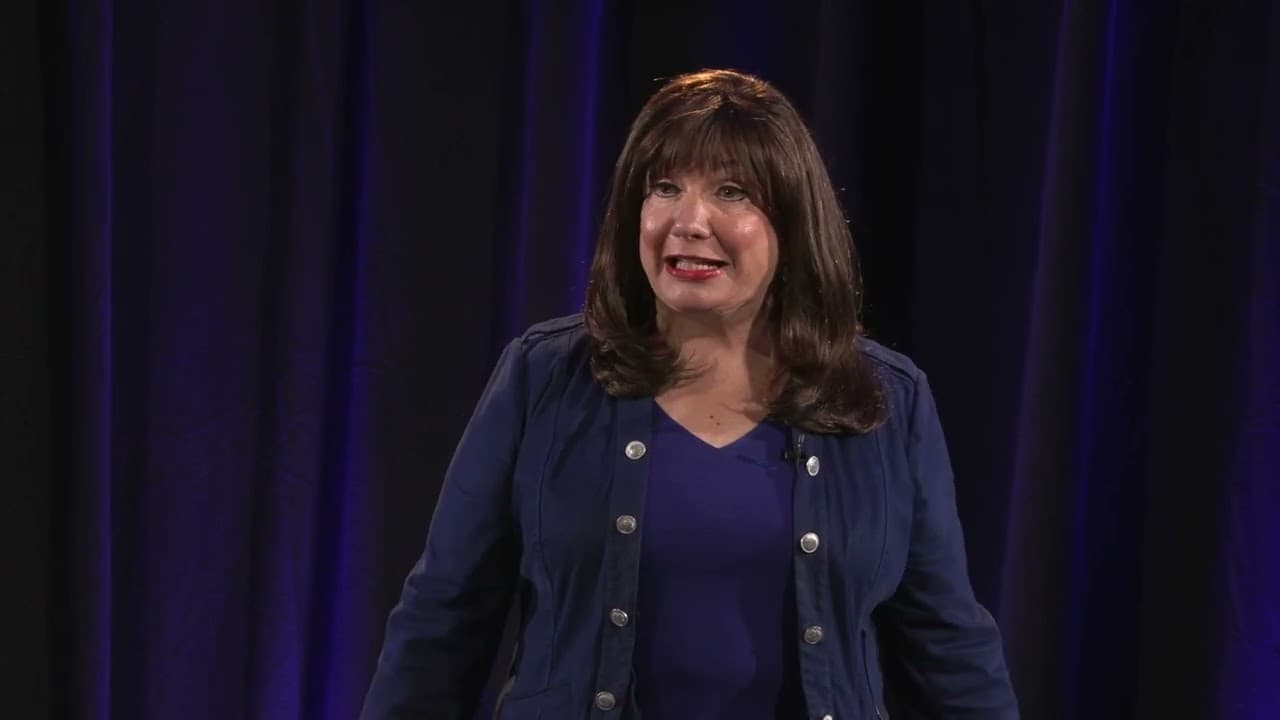
Giving Voice to Autistic Adults | Maribeth Edmunds | TEDxBrookdaleCommunityCollege
TL;DR
Understanding and accepting autistic adults through their voices and experiences, advocating for inclusion and empowerment.
Transcript
Transcriber: Rachel Myers Reviewer: Leonardo Silva Well, here I am. My first TEDx talk! I’m excited. I’m stoked. It’s a moment. And I thought I was ready, but I had to make a last-minute change to my introduction. I had to change my numbers. You see, I was going to begin here. I was going to say “1 in 44”: 1 in 44 eight-year-olds is being diagnosed... Read More
Key Insights
- 💗 Autism prevalence statistics are evolving, with a growing number of autistic adults living in the US.
- ❓ Autistic individuals are advocating for inclusion and acceptance through movements like neurodiversity.
- 🧑 Applied Behavior Analysis (ABA) therapy for autism is controversial, with some adults reporting negative experiences.
- 🎓 Creating supportive environments for autistic adults in colleges, universities, and workplaces requires understanding their needs and preferences.
- 🧑 Autistic adults bring unique strengths to the workplace, such as deep knowledge, attention to detail, and honesty.
- 🤩 Active listening and empowerment are key to giving voice to autistic adults and promoting advocacy.
- 👂 The speaker challenges listeners to believe and listen to autistic adults, emphasizing the importance of acceptance and understanding.
Install to Summarize YouTube Videos and Get Transcripts
Explore YouTube Video Summarizer or Get YouTube Transcript Extractor
Questions & Answers
Q: How have autism prevalence statistics changed over the years, and why is it essential to prepare for autistic adults' transition into adulthood?
Autism prevalence statistics have evolved, with current estimates showing that 1 in 36 eight-year-olds in the US have autism. It is crucial to prepare for autistic adults' transition into adulthood to ensure they are supported and included in society.
Q: What is the significance of using person-first language versus referring to individuals as "autistic people"?
The speaker uses both person-first and identity-first language interchangeably to respect the preferences of autistic individuals. Some prefer to be referred to as "autistic people," emphasizing their identity and pride in being autistic.
Q: What is the impact of the neurodiversity movement on how autistic individuals are perceived and supported?
The neurodiversity movement highlights the diverse ways in which brains can function and promotes acceptance of neurodiverse individuals. Autistic individuals advocate for their rights, demand inclusion, and challenge traditional views of autism.
Q: How can colleges, universities, and workplaces create more welcoming environments for autistic adults?
Creating nonjudgmental, safe spaces, considering sensory needs, involving autistic adults in decision-making, providing notice for routine changes, and educating neurotypical individuals about autism are important steps in fostering inclusivity.
Summary & Key Takeaways
-
The speaker discusses the changing statistics on autism prevalence, highlighting the importance of preparing for autistic individuals as they transition into adulthood.
-
She shares her personal journey of seeking out the lived experiences of autistic adults and emphasizes the need for their inclusion in discussions that affect their lives.
-
Practical suggestions are provided for creating supportive environments in colleges, universities, and workplaces for autistic adults, promoting understanding and acceptance.
Read in Other Languages (beta)
Share This Summary 📚
Summarize YouTube Videos and Get Video Transcripts with 1-Click
Try YouTube Summary with ChatGPT & Claude or YouTube Transcript Generator
Explore More Summaries from TEDx Talks 📚






Summarize YouTube Videos and Get Video Transcripts with 1-Click
Try YouTube Summary with ChatGPT & Claude or YouTube Transcript Generator