Okavango Delta Hangout Highlights | National Geographic
TL;DR
Scientists explore Okavango River, share expedition experiences, research data, encounter wildlife.
Transcript
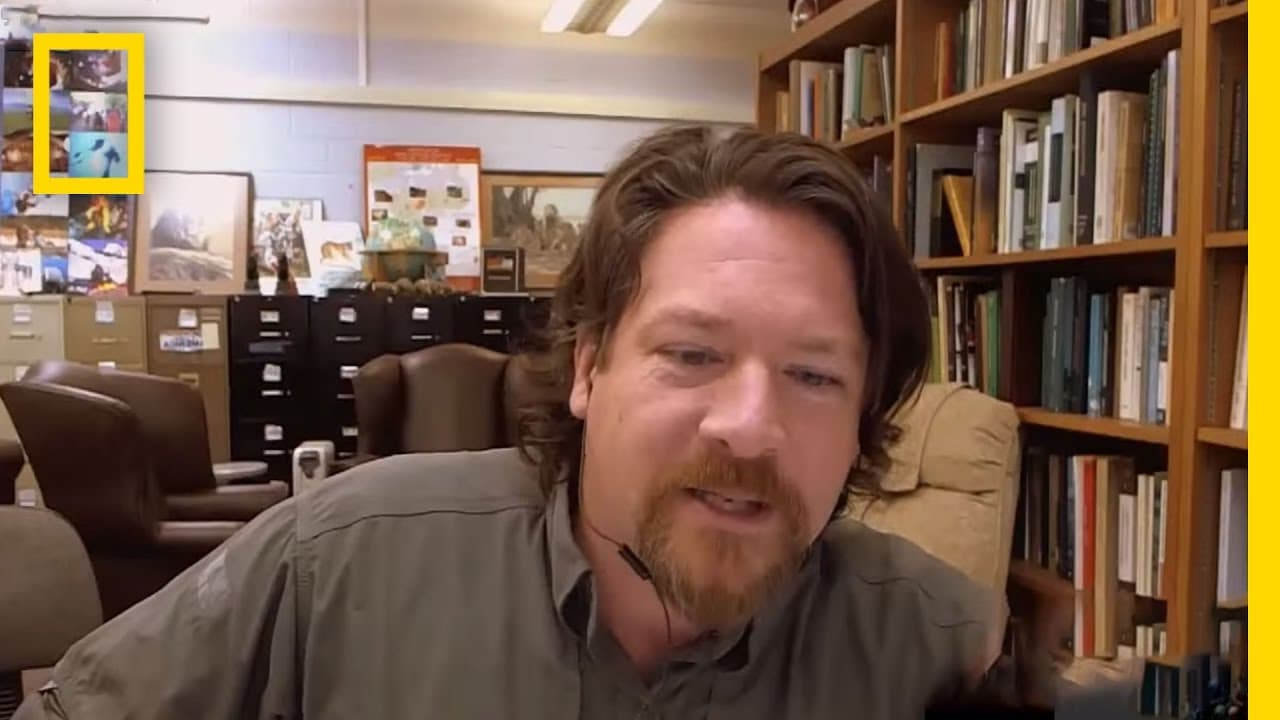
welcome to our google plus hangout hi everyone uh well we're working out here on the okavango wilderness project it's our fifth year we've got these explorers with us and we are troubleshooting for the big expedition next year when we go down the length of the okavango river we've been doing a bunch of water testing we set up some sensors um it's i... Read More
Key Insights
- 😃 Expedition preparing for a big Okavango River journey next year, conducting water testing and sharing research data.
- 😚 Researchers have close encounters with elephants, emphasizing the need to remain calm.
- ✊ Entire expedition is solar-powered, showcasing a commitment to sustainability.
- 😨 Importance of sharing expedition experiences and data to inspire care for environmental conservation.
- 🤨 Awareness raised on the need to protect the Okavango region, transforming it into a renowned wildlife area.
- 🦺 Emphasis on calm interaction with wildlife for safety during expeditions.
- 💀 Insights into encounters with crocodiles and elephants, highlighting the dangers and beauty of wildlife.
Install to Summarize YouTube Videos and Get Transcripts
Explore YouTube Video Summarizer or Get YouTube Transcript Extractor
Questions & Answers
Q: How are researchers preparing for the big Okavango River expedition next year?
Researchers are troubleshooting, conducting water testing, setting up sensors, and aiming to share research data immediately to inspire care for the environment.
Q: How do researchers interact with elephants in the wild?
Researchers remain calm during close elephant encounters, observe elephant dung in campsites, and emphasize the importance of staying composed around wildlife.
Q: How is the Okavango Wilderness Project expedition powered?
The expedition is entirely solar-powered, with solar panels on the macoros and no use of diesel generators, showcasing a commitment to sustainable practices.
Q: How can people contribute to protecting the Okavango region?
People can follow the expedition online, share the experience with friends, use social media hashtags, and support initiatives that aim to preserve the Okavango, making it a renowned wildlife area like the Great Barrier Reef.
Summary & Key Takeaways
-
Researchers troubleshoot for a big expedition next year along the Okavango River, conducting water testing and setting up sensors.
-
Interaction with elephants observed closely, remaining calm during wildlife encounters emphasized.
-
Expedition is entirely solar-powered, showcasing commitment to sustainability and environmental conservation efforts.
Read in Other Languages (beta)
Share This Summary 📚
Summarize YouTube Videos and Get Video Transcripts with 1-Click
Try YouTube Summary with ChatGPT & Claude or YouTube Transcript Generator
Explore More Summaries from National Geographic 📚
Summarize YouTube Videos and Get Video Transcripts with 1-Click
Try YouTube Summary with ChatGPT & Claude or YouTube Transcript Generator