Clean Eating Vs. Flexible Dieting

TL;DR
Bodybuilders prefer clean eating for precision in nutrition.
Transcript
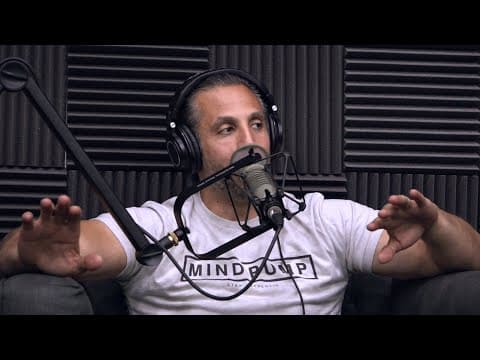
all right our first question is from Jake Parker fit why do bodybuilders always almost always seem to opt for strictly clean eating as opposed to a flexible dieting approach I picked this question just to piss Justin off oh yeah I got so much for this no I think no I think there's a good point here first of all we've talked before on this podcast a... Read More
Key Insights
- Bodybuilders often choose clean eating over flexible dieting for precise control over their nutrition, which is crucial for competition success.
- Fast food and restaurant meals can have calorie and macronutrient discrepancies of 20-30%, making them unreliable for strict dieting goals.
- Flexible dieting allows for more variety but can lead to inaccuracies in calorie counting, which is less critical for non-competitive individuals.
- Bodybuilders focus on whole, unprocessed foods to ensure accurate measurement of nutrients, which is vital for achieving low body fat percentages.
- The difference between 4% and 5% body fat is significant in bodybuilding, making precise nutrition essential for competitive edge.
- Human error in food preparation, such as varying portion sizes at restaurants, can significantly impact calorie intake, affecting bodybuilders' results.
- Strict dieting practices can lead to unhealthy relationships with food post-competition, as bodybuilders may struggle with balance.
- For the average person, flexible dieting is often sufficient and healthier than previous eating habits, offering room for occasional errors.
Install to Summarize YouTube Videos and Get Transcripts
Explore YouTube Video Summarizer or Get YouTube Transcript Extractor
Questions & Answers
Q: Why do bodybuilders prefer clean eating over flexible dieting?
Bodybuilders prefer clean eating because it allows for precise control over their nutrient intake, which is crucial when aiming for low body fat percentages required for competition. Clean eating minimizes variables and inaccuracies that can arise from fast food or restaurant meals, ensuring their diet is aligned with their strict goals.
Q: What are the potential inaccuracies in flexible dieting?
Flexible dieting can lead to inaccuracies due to the reliance on food labels and restaurant meal descriptions, which can be off by 20-30%. These discrepancies arise from both allowable variations in labeling and human error during food preparation, making it challenging for bodybuilders who need precise control over their diet.
Q: How does body fat percentage affect dietary precision for bodybuilders?
For bodybuilders, precise dietary control becomes increasingly important as they reach lower body fat percentages. The difference between 4% and 5% body fat is significant on stage, and even minor variations in diet can affect their appearance, making precise nutrient measurement essential for competitive success.
Q: What are the long-term effects of strict clean eating on bodybuilders?
Strict clean eating can lead to an unhealthy relationship with food for bodybuilders post-competition. Many struggle to find balance, either adhering rigidly to clean eating or swinging to the opposite extreme. This can result in disordered eating patterns and difficulty maintaining a healthy diet outside of competition.
Q: Is flexible dieting suitable for non-competitive individuals?
Yes, flexible dieting is often suitable for non-competitive individuals as it provides variety and can be healthier than previous eating habits. The occasional inaccuracies in calorie counting are less critical for those not competing, allowing for a more balanced and enjoyable diet while still achieving fitness goals.
Q: What role does human error play in dietary inaccuracies?
Human error plays a significant role in dietary inaccuracies, particularly in restaurant settings where portion sizes can vary. This variation can lead to significant differences in calorie intake, impacting bodybuilders who require exact measurements, but is less concerning for the average person following a flexible diet.
Q: Why is precision in nutrition critical for bodybuilders?
Precision in nutrition is critical for bodybuilders because even minor deviations can significantly impact their physique and competitive outcomes. Achieving and maintaining low body fat percentages requires exact control over nutrient intake to ensure optimal muscle definition and minimal water retention on stage.
Q: How does flexible dieting compare to the average American diet?
Flexible dieting is often an improvement over the average American diet, which is typically high in processed foods and lacks nutritional balance. By focusing on macronutrient targets, flexible dieting encourages more mindful eating and better dietary choices, even if occasional inaccuracies occur.
Summary & Key Takeaways
-
Bodybuilders prefer clean eating for its precision in controlling nutrient intake, crucial for achieving the low body fat percentages required for competition. Flexible dieting, while more varied, can lead to inaccuracies that are less acceptable in a competitive context.
-
Fast food and restaurant meals often have discrepancies in reported calories and macronutrients, which can be 20-30% off. This inconsistency makes them less suitable for bodybuilders who require exact measurements to fine-tune their physique.
-
The average person can benefit from flexible dieting as it offers more variety and is often healthier than their previous diet. However, for bodybuilders, the precision of clean eating is necessary to maintain and achieve the desired competition-ready body.
Read in Other Languages (beta)
Share This Summary 📚
Summarize YouTube Videos and Get Video Transcripts with 1-Click
Try YouTube Summary with ChatGPT & Claude or YouTube Transcript Generator
Explore More Summaries from Mind Pump Show 📚




Summarize YouTube Videos and Get Video Transcripts with 1-Click
Try YouTube Summary with ChatGPT & Claude or YouTube Transcript Generator