Investors Tyson Clark and Sydney Sykes on Championing Diversity in Venture Capital
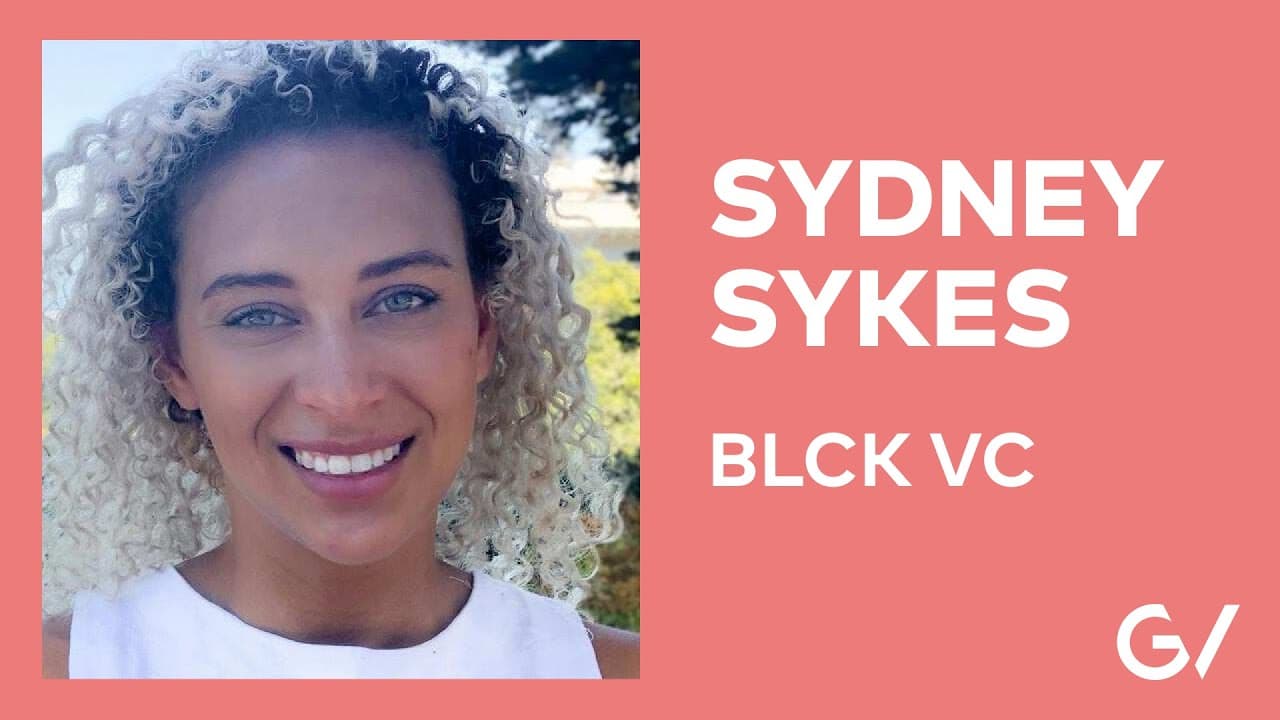
TL;DR
Venture capital has become more open and meritocratic, but Tyson Clark and Sydney Sykes say people of color still face barriers to entry. Firms increasingly value candidates who can contribute immediately, including people with product management or data science experience, rather than hiring only through elite schools or personal connections. The discussion explains how direct applications, broader campus recruiting, warm introductions, and better industry coordination could widen access. Read on for their practical guidance.
Transcript
hi everyone i'm candice morgan and i lead equity diversity and inclusion here at gv and i'm so thrilled to announce a new series where we'll be having conversations on diversity in vc and the tech ecosystem which is especially poignant this year in 2020 the first of our conversations will be with tyson clark gv general partner and sydney sykes co-f... Read More
Key Insights
- 🤗 The venture capital industry has become more open and transparent, with a shift towards meritocracy and value-driven hiring.
- 🤗 Non-traditional backgrounds, such as product management, have opened up opportunities for diverse candidates.
- 😀 People of color still face challenges in accessing venture capital opportunities, and the industry needs more coordination and support to address this.
- 🎓 Colleges and universities play a role in increasing diversity, but the onus is on VC professionals to actively search for talent outside of traditional schools.
- 💝 Lack of representation in late-stage investment can hinder the success and funding opportunities for diverse companies.
- 😆 Bias plays a role in mid-tier investments where good companies face challenges due to the founder's background.
- 🔙 It is crucial to have diverse representation at the series A, B, and C stages to support companies at critical growth phases.
Install to Summarize YouTube Videos and Get Transcripts
Explore YouTube Video Summarizer or Get YouTube Transcript Extractor
Questions & Answers
Q: Has venture capital become more open and transparent?
Tyson Clark says venture capital is more open than it was before and has moved toward merit-based, value-driven hiring. However, he also says the industry remains closed off to people of color in important ways, so navigating and changing that path is still necessary.
Q: Do aspiring venture capitalists need to attend an elite school?
Clark says attending schools such as Stanford, Wharton, or Harvard Business School used to be treated as the only route into venture capital, but that is no longer the case. He argues that firms now care more about whether candidates can add value immediately, especially when hiring at the vice president or principal level.
Q: Which professional backgrounds can help someone enter venture capital?
Product management and data science experience can provide a route into venture capital. Clark points to candidates who developed their skills at companies such as Google, Facebook, Instagram, or Airbnb as examples of people who may be able to add value from their first day.
Q: Why do people of color still face barriers to venture capital jobs?
Although hiring has become less dependent on personal connections, Clark notes that product management and data science roles still tend not to include many people of color. This means the newer pathway is more meritocratic but can still exclude candidates who have had less access to those feeder roles.
Q: What advice does Sydney Sykes give aspiring venture capitalists?
Sykes advises people who know they want to work in venture capital to pursue it as hard as possible and change paths later if necessary. She recommends applying to as many venture jobs and speaking with as many venture capitalists as possible before committing to a long, prescribed career path.
Q: Why does Sydney Sykes hesitate to recommend a six-year path into venture capital?
Sykes worries that someone could spend six years completing a computer science degree and gaining investment banking, product management, or startup experience yet still fail to secure a venture job. Even if the person succeeds, they might discover that they dislike venture capital and find themselves eight years into a career path they no longer want.
Q: What is the Breaking Into Venture program?
Black VC’s Breaking Into Venture program supports a small cohort of talented Black aspiring investors who are early in their careers. It prepares them for venture interviews and jobs while enabling organizers to vouch for participants and make warm introductions.
Q: How can venture firms recruit more diverse candidates from colleges and universities?
Clark places the responsibility on venture professionals to search beyond traditional recruiting networks. He suggests looking at schools such as UC Santa Cruz, UC Santa Barbara, Chattanooga State, and historically Black colleges and universities, while improving the coordination among firms that court people of color.
Summary & Key Takeaways
-
Tyson Clark and Sydney Sykes discuss the changing landscape of venture capital, emphasizing the shift towards a more meritocratic and value-driven industry.
-
They highlight the greater openness to candidates from non-traditional backgrounds, such as product management, which has opened up opportunities for diversity.
-
However, they acknowledge the challenges faced by people of color in navigating the industry, and the need for more concerted efforts to ensure diverse representation.
Read in Other Languages (beta)
Share This Summary 📚
Summarize YouTube Videos and Get Video Transcripts with 1-Click
Try YouTube Summary with ChatGPT & Claude or YouTube Transcript Generator
Explore More Summaries from GV (Google Ventures) 📚






Summarize YouTube Videos and Get Video Transcripts with 1-Click
Try YouTube Summary with ChatGPT & Claude or YouTube Transcript Generator