Is Central Asia Helping Russia Evade Sanctions?
TL;DR
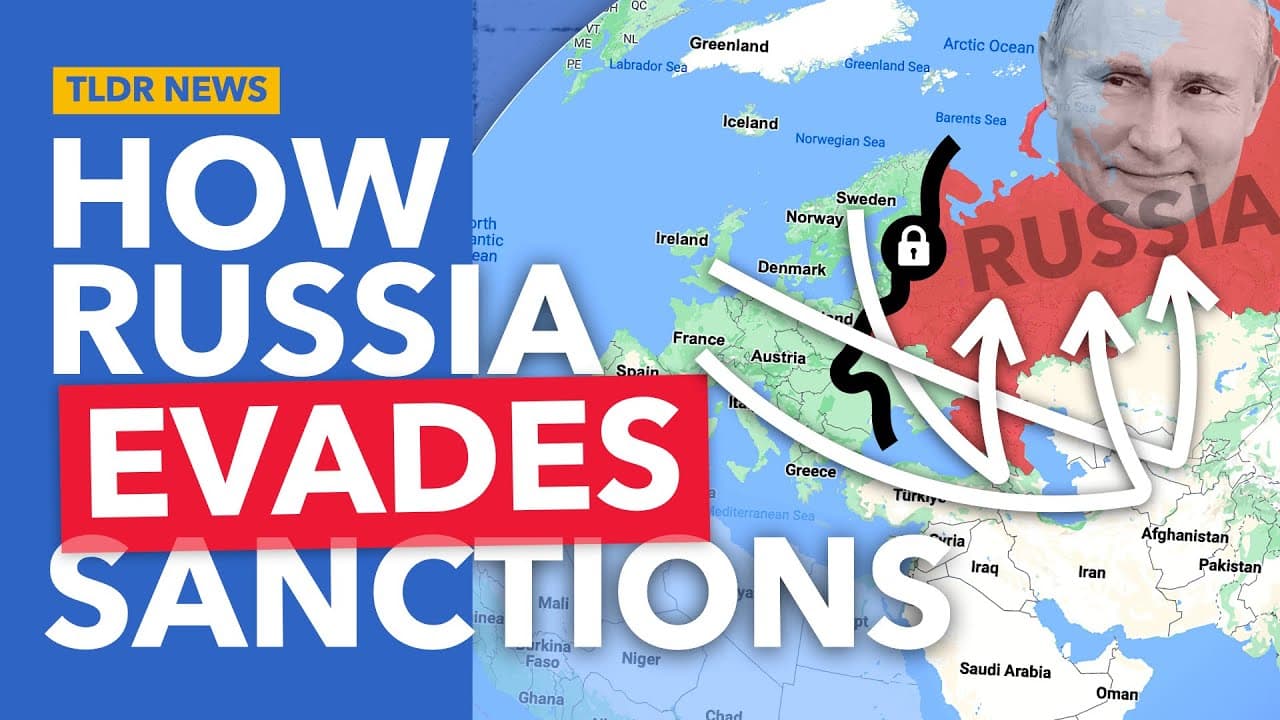
Western sanctions on Russia, particularly those on semiconductors and advanced components, have initially been effective in limiting imports and undermining Russia's military capabilities. However, Russia is finding ways to bypass the sanctions by rerouting imports through Central Asian countries.
Transcript
this video was brought to you by brilliant it's been about a year since the West first started imposing sanctions against Russia in response to Putin's invasion of Ukraine these sanctions which have been extended to include everything from an oil price cap to expulsion from the Swift banking system were unprecedented in their scope but it's not cle... Read More
Key Insights
- 🍧 Western sanctions on Russia have included both export and import controls, with import sanctions on advanced components having a significant impact on industries and military capabilities.
- 🥺 Initial import sanctions successfully decreased Russian imports of advanced components, leading to challenges in manufacturing and repairing high-tech military equipment.
- 💨 Russia is finding ways around import controls by rerouting imports through Central Asian countries, effectively evading the sanctions.
- 💦 The effectiveness of sanctions often weakens over time as the sanctioned country learns to work around them.
- 🥳 Secondary sanctions, although risky, can be an option to further restrict trade with Russia by targeting third parties.
- ™️ The West may consider using incentives rather than punitive measures to reduce trade between Central Asian countries and Russia.
- ❓ Implementing creative and adaptable sanction measures is crucial for maintaining their efficacy as situations evolve.
Install to Summarize YouTube Videos and Get Transcripts
Explore YouTube Video Summarizer or Get YouTube Transcript Extractor
Questions & Answers
Q: How have export sanctions impacted Russia's economy?
Export sanctions, particularly on oil and natural gas, have attracted media attention. However, their effectiveness is debated. While they have caused some damage to the Russian economy, import sanctions on advanced components have had a more significant impact.
Q: Why were import sanctions on semiconductors and advanced components imposed?
Import sanctions aimed to damage the Russian economy in general and limit Russia's ability to manufacture or repair high-tech military equipment. These components are crucial for industries and military capabilities heavily reliant on Western suppliers.
Q: How effective have import sanctions been initially?
In the beginning, import sanctions were effective, leading to a sharp decline in Russian imports of advanced components. This impacted industries like car manufacturing, with a significant decrease in the number of cars in production. Russian imports of goods with potential military application also crashed by more than 60%.
Q: How is Russia evading import controls on semiconductors?
Russia is rerouting their imports through Central Asian countries like Kazakhstan and Kyrgyzstan, which are not under sanctions. Russian companies have increased their imports from these countries, allowing them to obtain the necessary components indirectly.
Key Insights:
- Western sanctions on Russia have included both export and import controls, with import sanctions on advanced components having a significant impact on industries and military capabilities.
- Initial import sanctions successfully decreased Russian imports of advanced components, leading to challenges in manufacturing and repairing high-tech military equipment.
- Russia is finding ways around import controls by rerouting imports through Central Asian countries, effectively evading the sanctions.
- The effectiveness of sanctions often weakens over time as the sanctioned country learns to work around them.
- Secondary sanctions, although risky, can be an option to further restrict trade with Russia by targeting third parties.
- The West may consider using incentives rather than punitive measures to reduce trade between Central Asian countries and Russia.
- Implementing creative and adaptable sanction measures is crucial for maintaining their efficacy as situations evolve.
- Continuous learning is essential, and platforms like Brilliant.org offer opportunities to develop vital skills and knowledge.
Summary & Key Takeaways
-
Sanctions on Russia can be categorized into export sanctions (restricting Russia's ability to export goods) and import sanctions (restricting Russia's ability to import goods).
-
Import sanctions on semiconductors and advanced components have been effective initially, leading to a sharp decline in Russian imports and impacting industries like car manufacturing.
-
Russia is evading import controls by rerouting imports through Central Asian countries like Kazakhstan and Kyrgyzstan, undermining the effectiveness of the sanctions.
Read in Other Languages (beta)
Share This Summary 📚
Summarize YouTube Videos and Get Video Transcripts with 1-Click
Try YouTube Summary with ChatGPT & Claude or YouTube Transcript Generator
Explore More Summaries from TLDR News EU 📚



Summarize YouTube Videos and Get Video Transcripts with 1-Click
Try YouTube Summary with ChatGPT & Claude or YouTube Transcript Generator