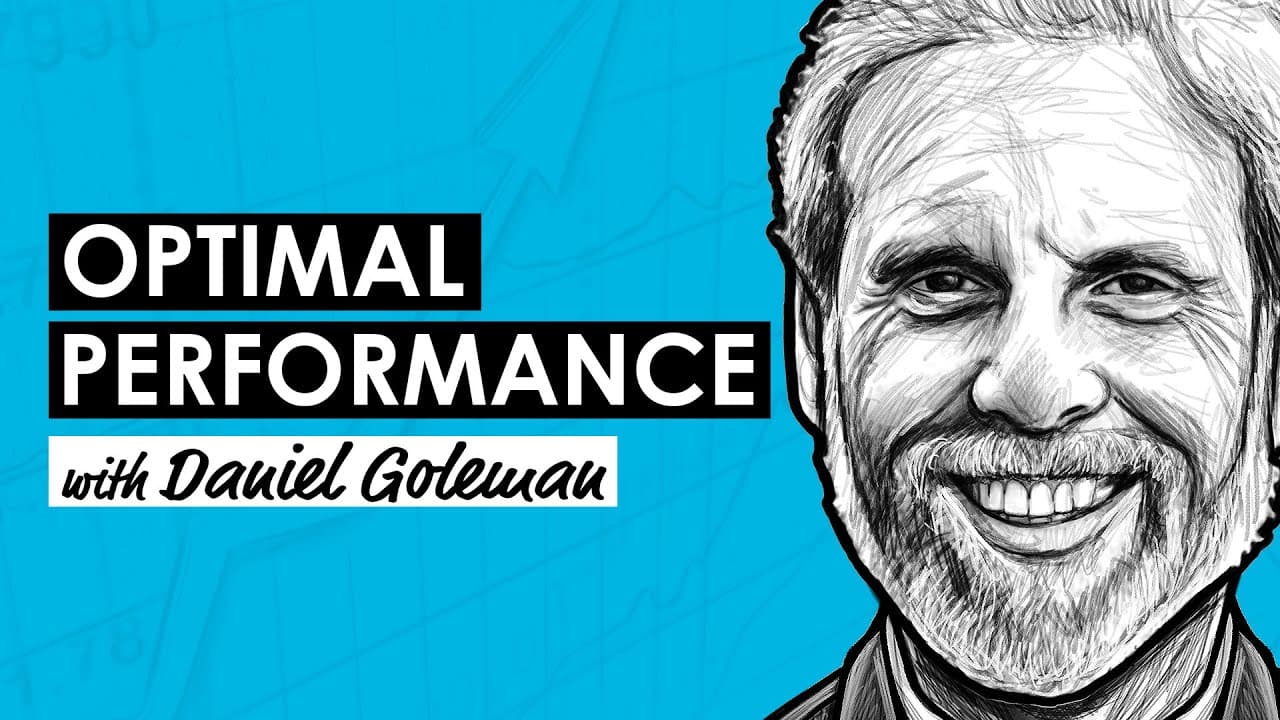
How to Achieve Sustainable Excellence with Emotional Intelligence
TL;DR
Sustainable excellence is achieved by harnessing emotional intelligence to enhance productivity, effectiveness, and happiness. Emotional intelligence involves mastering self-awareness, self-management, empathy, and relationship skills to improve decision-making and avoid burnout. Leaders should focus on building emotionally intelligent teams for long-term success, emphasizing self-compassion and resilience in handling stress.
Transcript
(00:00) it's not enough just to look at the numbers you know which is very standard in investing look at the people too because if you want long-term success you're going to want to have effective leadership and you want to have effective people at every level it's human capital too in this day and age everyone&... Read More
Key Insights
- Emotional intelligence is crucial for long-term success in personal and professional life.
- Self-awareness is foundational to emotional intelligence, enabling better self-management.
- Empathy involves understanding and caring about others, enhancing leadership effectiveness.
- Sustainable excellence prioritizes steady progress over perfectionism and burnout.
- Emotional self-management improves decision-making by reducing impulsivity and stress.
- Creative thinking is boosted by allowing relaxation and reducing self-criticism.
- Feedback should be constructive, focusing on strengths and areas for improvement.
- Resilience is defined by the speed of recovery from stress and emotional upsets.
Install to Summarize YouTube Videos and Get Transcripts
Explore YouTube Video Summarizer or Get YouTube Transcript Extractor
Questions & Answers
Q: How can emotional intelligence lead to sustainable excellence?
Emotional intelligence leads to sustainable excellence by improving self-awareness, self-management, empathy, and relationship skills. These competencies enable individuals to make better decisions, manage stress effectively, and foster positive relationships. By focusing on steady progress and resilience, rather than perfectionism, emotional intelligence helps maintain productivity and well-being over the long term.
Q: What is the role of self-awareness in emotional intelligence?
Self-awareness is the foundation of emotional intelligence, as it allows individuals to recognize their emotions and understand how these emotions influence their thoughts and actions. By being aware of their emotional state, individuals can manage their reactions, improve decision-making, and develop empathy for others. Self-awareness also helps in identifying personal strengths and areas for improvement, which is essential for personal growth and leadership.
Q: How does empathy enhance leadership effectiveness?
Empathy enhances leadership effectiveness by enabling leaders to understand and connect with their team members on an emotional level. By recognizing and responding to the feelings and needs of others, empathetic leaders foster trust, loyalty, and collaboration. This creates a positive work environment where employees feel valued and motivated, leading to higher performance and organizational success.
Q: Why is self-compassion important in managing stress?
Self-compassion is important in managing stress because it allows individuals to treat themselves with kindness and understanding during difficult times. By acknowledging their struggles without harsh self-criticism, individuals can reduce feelings of guilt and anxiety, promoting emotional resilience. This approach helps maintain a balanced perspective, enabling individuals to recover from setbacks more quickly and effectively.
Q: What techniques can improve emotional self-management?
Techniques to improve emotional self-management include mindfulness, meditation, deep breathing exercises, and cognitive restructuring. Mindfulness and meditation help individuals focus their attention and remain calm under pressure. Deep breathing exercises, such as the 4-4-4 technique, can quickly reduce stress and anxiety. Cognitive restructuring involves identifying and challenging negative thought patterns, replacing them with more constructive and positive perspectives.
Q: How can feedback be used to enhance emotional intelligence?
Feedback can enhance emotional intelligence by providing individuals with insights into their strengths and areas for improvement. Constructive feedback should be specific, timely, and focused on behaviors rather than personal attributes. By highlighting both positive achievements and opportunities for growth, feedback encourages self-awareness and motivates individuals to develop their emotional and relational skills, ultimately leading to better performance and personal development.
Q: What is the relationship between emotional intelligence and creativity?
The relationship between emotional intelligence and creativity is rooted in the ability to manage emotions and reduce self-criticism. By fostering a relaxed and open mindset, individuals can enhance their creative thinking and problem-solving abilities. Emotional intelligence helps individuals navigate challenges without becoming overwhelmed, allowing them to explore new ideas and perspectives with greater freedom and confidence.
Q: How does resilience contribute to emotional intelligence?
Resilience contributes to emotional intelligence by enabling individuals to recover quickly from stress and emotional setbacks. This capacity for rapid recovery allows individuals to maintain emotional balance and focus, even in challenging situations. Resilient individuals are better equipped to manage their emotions, adapt to change, and persist in the face of adversity, which are key components of emotional intelligence and sustainable excellence.
Summary & Key Takeaways
-
Sustainable excellence is achieved by developing emotional intelligence, which includes self-awareness, self-management, empathy, and relationship skills. These skills help individuals become more productive, effective, and happier by improving decision-making and reducing stress.
-
Leaders should focus on building emotionally intelligent teams, as this fosters a positive work environment and long-term success. Emotional intelligence trumps IQ in professional settings, as it enhances communication, creativity, and leadership.
-
Practicing self-compassion and resilience is vital for managing stress and avoiding burnout. Techniques such as mindfulness, meditation, and constructive feedback are effective in developing emotional intelligence and sustaining excellence.
Read in Other Languages (beta)
Share This Summary 📚
Summarize YouTube Videos and Get Video Transcripts with 1-Click
Try YouTube Summary with ChatGPT & Claude or YouTube Transcript Generator
Explore More Summaries from We Study Billionaires 📚





Summarize YouTube Videos and Get Video Transcripts with 1-Click
Try YouTube Summary with ChatGPT & Claude or YouTube Transcript Generator