Tony Blair Thinks Brexit Is Reversible
TL;DR
Brexit poses challenges for the UK's future relationship with the EU, impacting economy, immigration, and youth perspectives.
Transcript
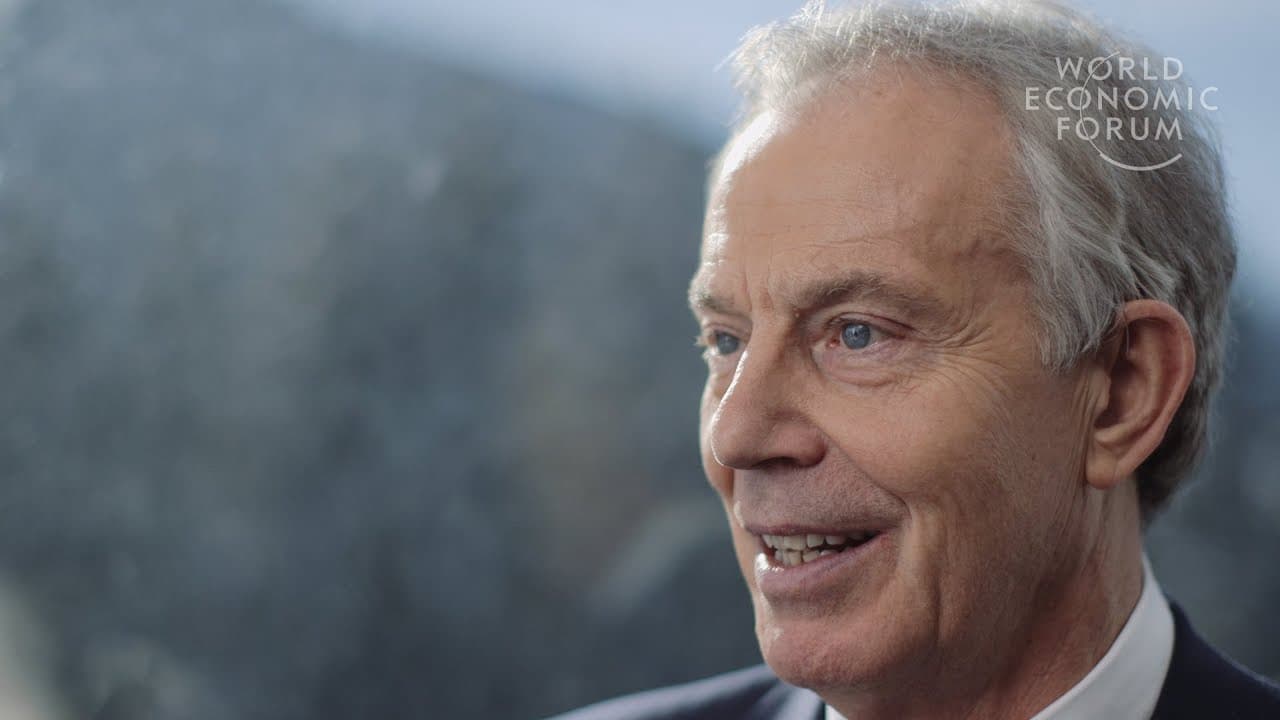
in June 2016 we had the referendum and that expressed the will of the people but the will of the people isn't something fixed or unchangeable if the circumstance has changed the will can change the views can change we knew that we voted to leave the European Union but we didn't yet know the new relationship we've got the right to rethink it's not t... Read More
Key Insights
- 😀 The UK's post-Brexit relationship with the EU faces economic and geopolitical uncertainties.
- ❓ Addressing immigration and economic concerns is crucial to understanding the Brexit vote.
- 🗂️ Youth perspectives lean towards a future within the EU, highlighting generational divides.
- 🌸 Brexit reflects broader Western movements against globalization and loss of control.
- 🌐 The UK's role in a shifting global landscape requires strategic alliances with the EU.
- 🤩 Balancing economic advantages and decision-making power in the EU relationship is key.
- 🇨🇫 Addressing underlying reasons for Brexit is essential to addressing public anxieties.
Install to Summarize YouTube Videos and Get Transcripts
Explore YouTube Video Summarizer or Get YouTube Transcript Extractor
Questions & Answers
Q: How have changing circumstances impacted the UK's views on Brexit?
The UK's evolving relationship with the EU post-referendum raises questions about the feasibility and benefits of Brexit in light of changing circumstances and opinions.
Q: What were the key reasons behind the Brexit vote?
Concerns such as immigration, economic downturns, and feelings of cultural alienation contributed to the decision to leave the EU, highlighting the need for addressing underlying issues.
Q: What challenges does the UK face in negotiating its future relationship with the EU?
The UK must navigate between staying close to Europe to retain economic advantages but losing decision-making power or moving away could have significant economic consequences.
Q: How can political leaders address the anxieties and concerns of the public post-Brexit?
Leaders need to respond to concerns about loss of control, both economically and culturally, by providing solutions that address the anxieties without fueling populist movements.
Summary & Key Takeaways
-
The 2016 Brexit referendum reflected changing circumstances and views, creating uncertainty about future UK-EU relations.
-
Reasons for Brexit include immigration, economic concerns, and cultural alienation, which must be addressed.
-
The UK's decision to leave the EU has significant economic, geopolitical, and social implications that require careful consideration.
Read in Other Languages (beta)
Share This Summary 📚
Summarize YouTube Videos and Get Video Transcripts with 1-Click
Try YouTube Summary with ChatGPT & Claude or YouTube Transcript Generator
Explore More Summaries from World Economic Forum 📚
Summarize YouTube Videos and Get Video Transcripts with 1-Click
Try YouTube Summary with ChatGPT & Claude or YouTube Transcript Generator