How to Find Happiness Without External Dependence
TL;DR
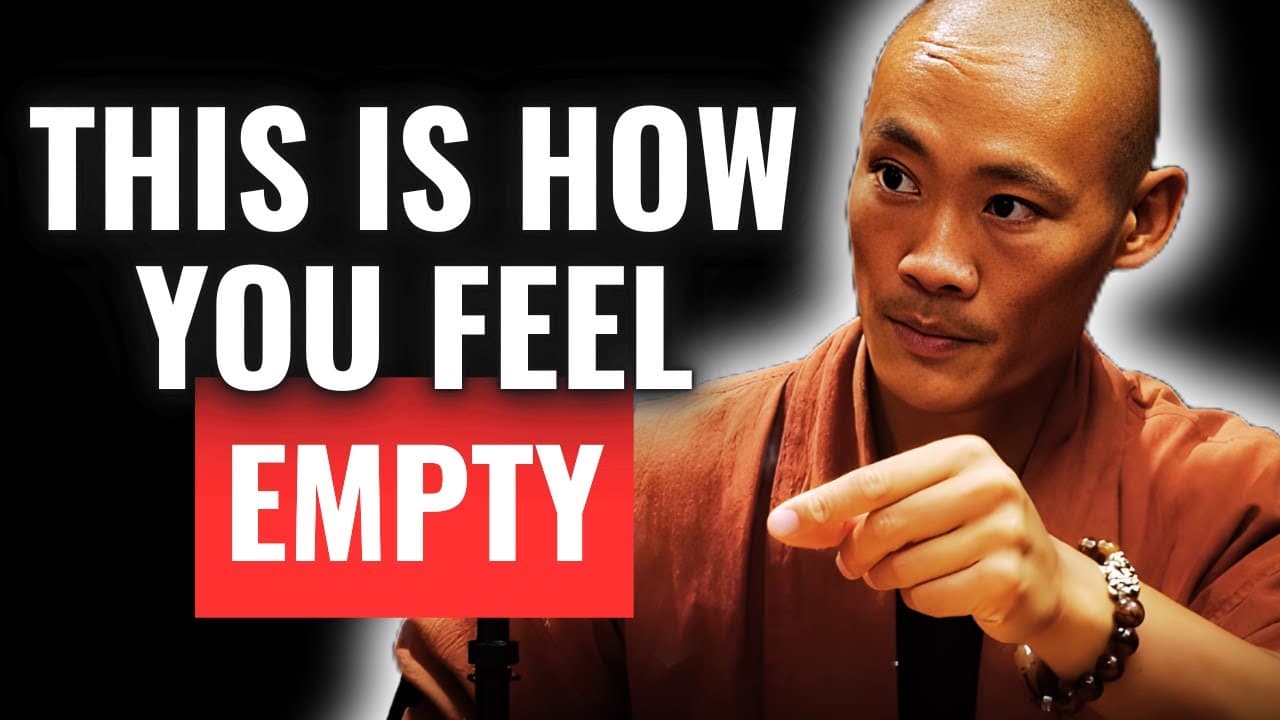
True happiness and fulfillment come from within, not from external possessions or achievements. By detaching from material desires and societal expectations, individuals can find inner peace and satisfaction. Reflecting on one's life and focusing on internal awareness helps in achieving authentic happiness.
Transcript
you can call it God you can call it the nature you can call it the universe no matter what this Force this power does not make mistakes God is not putting you in this earth incomplete why would he do that what he's putting on the earth is existence he's granting us existence yeah and afterward it starts that we have Concepts we star... Read More
Key Insights
- True fulfillment is found by reconnecting with our essence, not through material possessions or societal recognition.
- Emotional and mental attachment to possessions is the issue, not the possessions themselves.
- Basing happiness on external circumstances beyond our control leads to dissatisfaction.
- Self-reflection is crucial in determining if one's current mindset serves or limits personal growth.
- Detaching identity from possessions or desires is key to enjoying life without suffering.
- Life satisfaction should not depend on conditions, as external circumstances can change unexpectedly.
- The greatest gift is existence itself, and it's crucial to protect oneself from external distractions.
- Practicing detachment allows enjoyment of possessions without emotional dependency.
Install to Summarize YouTube Videos and Get Transcripts
Explore YouTube Video Summarizer or Get YouTube Transcript Extractor
Questions & Answers
Q: How to find happiness without relying on external factors?
Happiness without external reliance is achieved by focusing on internal fulfillment and detaching from material desires and societal expectations. By reconnecting with one's essence and practicing self-reflection, individuals can find true satisfaction and peace. This approach emphasizes internal stability over external conditions, which are often beyond personal control.
Q: What is the problem with identifying with possessions?
Identifying with possessions creates emotional and mental dependency, making personal satisfaction contingent on material items. This attachment can lead to dissatisfaction when circumstances change or possessions are lost. Enjoying comforts is not problematic, but emotional detachment is crucial for maintaining balance and inner peace.
Q: Why is self-reflection important for personal growth?
Self-reflection is important for personal growth as it helps individuals assess whether their current mindset and lifestyle serve or limit them. By examining life patterns and thought processes, one can identify areas for improvement and foster a mindset that supports authentic happiness and fulfillment, independent of external conditions.
Q: How can detachment lead to freedom and happiness?
Detachment leads to freedom and happiness by allowing individuals to enjoy life without being emotionally tied to possessions or desires. This mindset reduces suffering when circumstances change, as satisfaction is not based on external factors. Detachment fosters internal stability, enabling a more balanced and fulfilled life.
Q: What role does internal awareness play in achieving happiness?
Internal awareness plays a crucial role in achieving happiness by shifting focus from external conditions to one's inner state. It involves understanding and nurturing one's essence, leading to authentic satisfaction and peace. By prioritizing internal awareness, individuals can maintain happiness regardless of external changes or challenges.
Q: Why should life satisfaction not depend on external conditions?
Life satisfaction should not depend on external conditions because they are often beyond individual control and can change unexpectedly. Relying on them for happiness leads to vulnerability and potential dissatisfaction. Instead, focusing on internal fulfillment ensures a stable and resilient sense of happiness, regardless of external circumstances.
Q: What is the greatest gift we have, according to the video?
According to the video, the greatest gift we have is existence itself. This perspective emphasizes the importance of valuing and nurturing our inherent being, independent of external possessions or achievements. Recognizing existence as a gift shifts focus from material desires to internal fulfillment and peace.
Q: How can one practice detachment in daily life?
Practicing detachment in daily life involves enjoying possessions and experiences without emotional dependency. It means appreciating what you have but being able to let go when it's not present. Regular self-reflection, mindfulness, and focusing on internal stability help reinforce this practice, leading to a more balanced and fulfilling life.
Summary & Key Takeaways
-
True fulfillment comes from within, not from material possessions or societal approval. By reconnecting with our essence and detaching from external expectations, we can achieve authentic happiness. Reflecting on personal life and mindset is essential for personal growth and inner peace.
-
Emotional attachment to possessions is problematic, not the possessions themselves. Enjoying comforts without dependency allows for a balanced life. Life satisfaction should not rely on external conditions, which can change and are often beyond our control.
-
Existence is the greatest gift, and it's vital to protect oneself from external distractions. Practicing detachment helps enjoy possessions without emotional ties, fostering internal stability and balance. Reflect on life to ensure your mindset serves your personal growth.
Read in Other Languages (beta)
Share This Summary 📚
Summarize YouTube Videos and Get Video Transcripts with 1-Click
Try YouTube Summary with ChatGPT & Claude or YouTube Transcript Generator
Explore More Summaries from Zen Echoes: Shi Heng Yi Wisdom 📚
Summarize YouTube Videos and Get Video Transcripts with 1-Click
Try YouTube Summary with ChatGPT & Claude or YouTube Transcript Generator