Can dogs sniff out the next pandemic before it begins? | Glen J. Golden | TEDxMileHigh
TL;DR
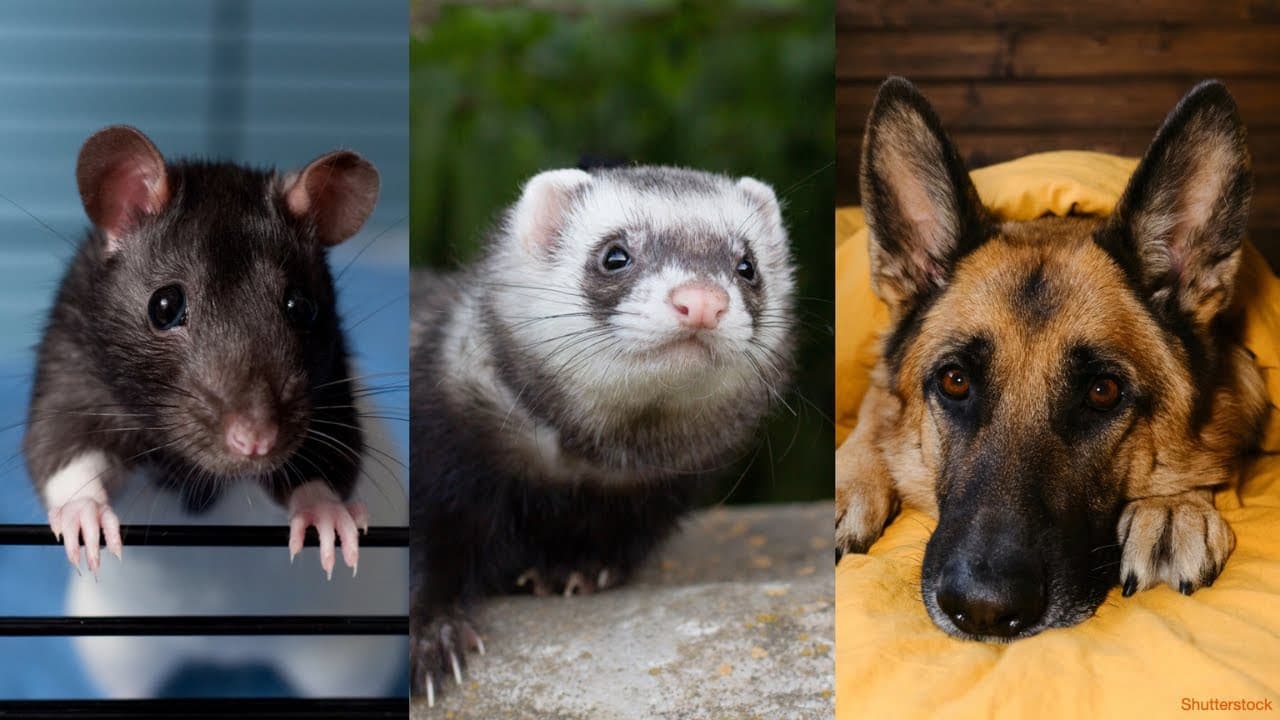
Utilizing dogs, ferrets, and rats to detect infectious diseases like Avian Influenza and Chronic Wasting Disease through odor profiles.
Transcript
you know how smoke detectors work right so imagine if we had something like a smoke detector but for diseases instead of testing the air for smoke particles this alarm would look for tiny traces of an odor profile associated with being infected by a virus for example all day long 24/7 but the second Theodor profile reached a certain concentration t... Read More
Key Insights
- 😤 Innovation in disease detection involves developing a mechanical nose based on odor profiles.
- 🥳 Dogs, ferrets, and rats show high accuracy in detecting infectious diseases like Avian Influenza.
- 🥺 Training animals for disease detection can lead to rapid, non-invasive testing methods.
- ❓ Early disease detection is crucial for preventing the spread of infections like Avian Influenza.
- 🚄 Chronic Wasting Disease can be detected by trained dogs with high accuracy, aiding in wildlife conservation efforts.
- 🛟 Deploying animals for disease detection in real-life scenarios can enhance early intervention strategies.
- 👨🔬 Research highlights the potential of animal partners in assisting human efforts to combat infectious diseases.
Install to Summarize YouTube Videos and Get Transcripts
Explore YouTube Video Summarizer or Get YouTube Transcript Extractor
Questions & Answers
Q: How does the concept of a mechanical nose contribute to disease detection?
A mechanical nose would actively sniff out viruses based on odor profiles before symptoms occur, enabling early detection and prevention of disease spread.
Q: What role do dogs, ferrets, and rats play in disease detection?
Dogs, ferrets, and rats are trained to detect infectious diseases like Avian Influenza and Chronic Wasting Disease by identifying specific odor profiles associated with these diseases.
Q: Why are dogs preferred for real-life disease detection scenarios?
Dogs are preferred for their high accuracy (up to 85%) in detecting infectious diseases, making them suitable for applications in various settings like chicken farms and deer hunting stations.
Q: How does animal detection complement traditional medical testing?
Animal detection methods show promise in providing rapid, non-invasive testing options, potentially detecting diseases sooner than traditional medical tests and aiding in timely interventions.
Summary & Key Takeaways
-
Research focuses on developing a mechanical nose to detect diseases early based on odor profiles.
-
Dogs, ferrets, and rats are trained to detect infectious diseases with high accuracy.
-
Application of animal detection methods in real-life scenarios shows promising results in disease prevention.
Read in Other Languages (beta)
Share This Summary 📚
Summarize YouTube Videos and Get Video Transcripts with 1-Click
Try YouTube Summary with ChatGPT & Claude or YouTube Transcript Generator
Explore More Summaries from TEDx Talks 📚






Summarize YouTube Videos and Get Video Transcripts with 1-Click
Try YouTube Summary with ChatGPT & Claude or YouTube Transcript Generator