Does Everybody Have A Gay Gene?
TL;DR
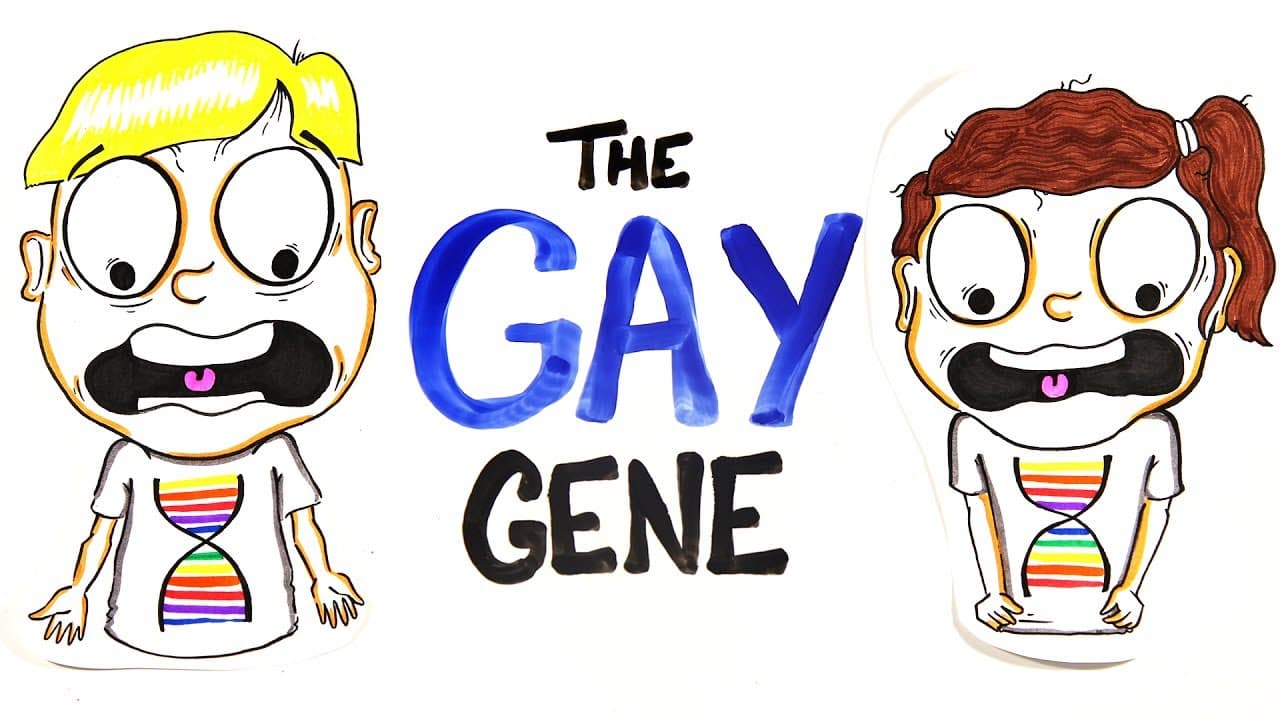
Scientific evidence suggests that genetics play a significant role in human sexual orientation, with studies indicating genetic linkages on the X chromosome and other regions. Epigenetics also suggests that everyone has a "gay gene" but whether it is triggered and expressed is influenced by environmental factors.
Transcript
Two to six percent of people self-identify as having predominantly homosexual attractions and, while there are many social and political theories on why, what does science say? Is being gay genetic and, if so, do we all have a gay gene? In the nineties, two studies using the human genome project found that gay men have a higher number of homosexua... Read More
Key Insights
- ✋ Genetic heritability studies show a higher prevalence of homosexuality in relatives of gay individuals, indicating a genetic basis for sexual orientation.
- 😑 Epigenetics suggests that environmental factors can influence the expression of genes related to sexual orientation.
- 🧓 Having an older brother increases the odds of homosexuality in subsequent sons, suggesting a biological mechanism triggered by male pregnancy.
- ✋ Higher levels of emotional intelligence, compassion, and cooperation are observed in gay men, potentially contributing to increased altruism and survival in human groups.
- 👨🏭 The genetic factors related to homosexuality may have evolutionary advantages, such as stronger attractions to men in female relatives and higher reproductive rates.
- 👨🔬 Scientific research has historically been biased and limited in its focus on gay men, neglecting other groups within the queer community.
- 🧑🏭 Further research on the genetic and epigenetic factors of homosexuality can help challenge homophobic laws and societal attitudes by emphasizing that sexual orientation is not a choice.
Install to Summarize YouTube Videos and Get Transcripts
Explore YouTube Video Summarizer or Get YouTube Transcript Extractor
Questions & Answers
Q: Is being gay genetic?
Scientific evidence suggests that sexual orientation is strongly linked to genetics, with studies showing genetic linkages on the X chromosome and other regions.
Q: How do epigenetics influence sexual orientation?
Epigenetics suggests that everyone has a "gay gene," but its expression is influenced by environmental factors, such as the attachment of a methyl group to specific regions of DNA.
Q: Do gay people have fewer children, leading to the potential extinction of gay genes?
While gay individuals may have fewer children on average, the "gay uncle hypothesis" suggests that their presence in a family can still increase the prevalence of their family's genes in future generations by providing resources for related offspring.
Q: Do hormonal influences in the womb play a role in sexual orientation?
Studies have found that exposure to high levels of testosterone in utero for women increases the likelihood of having non-straight sexual orientations.
Summary & Key Takeaways
-
Two studies using the human genome project found that gay men have a higher number of homosexual relatives compared to heterosexual men, indicating a high level of genetic heritability.
-
Recent research identified linkages on the X chromosome and chromosome 8 in gay siblings, further supporting genetic influence on sexual orientation.
-
A UCLA study proposed that the attachment of a methyl group to specific regions of DNA, influenced by epigenetics, is closely linked to sexual orientation.
Read in Other Languages (beta)
Share This Summary 📚
Summarize YouTube Videos and Get Video Transcripts with 1-Click
Try YouTube Summary with ChatGPT & Claude or YouTube Transcript Generator
Explore More Summaries from AsapSCIENCE 📚






Summarize YouTube Videos and Get Video Transcripts with 1-Click
Try YouTube Summary with ChatGPT & Claude or YouTube Transcript Generator