Rights of Idaho Police, Potential Suspects in Student Murders Investigation
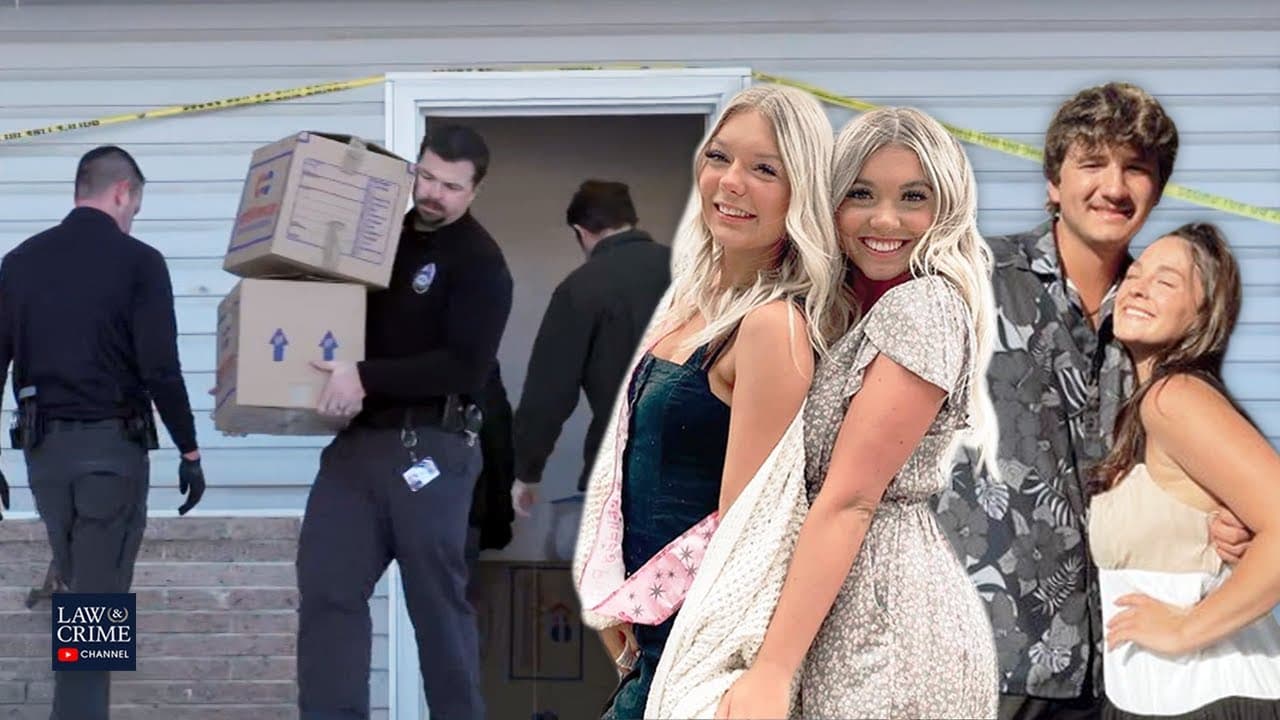
TL;DR
Police can ask questions to gather information, but witnesses have the choice to cooperate or remain silent.
Transcript
foreign thinking about what's going on in Masco Idaho it may be worthwhile just to talk a bit about what the rules of the game are with respect to police possible Witnesses and the like and this is true everywhere uh the police can ask questions we want them to the police are supposed to uh they're there in part to ask questions a terrible crime ha... Read More
Key Insights
- 😷 Police can ask questions to gather information in crime cases.
- 🗯️ Witnesses have the right to choose whether to cooperate with law enforcement.
- 😨 Cultural reluctance and fear can impact witness willingness to provide information.
- 🦺 Encouraging witness cooperation is essential for solving crimes and ensuring community safety.
- 🥺 Cooperation with law enforcement can lead to the apprehension of criminals and prevent future harm.
- 👨⚖️ Society should prioritize justice and safety in promoting witness cooperation.
- 👮 Witness testimony in court is legally required, unlike police questioning.
Install to Summarize YouTube Videos and Get Transcripts
Explore YouTube Video Summarizer or Get YouTube Transcript Extractor
Questions & Answers
Q: Can the police compel witnesses to answer questions?
Witnesses cannot be compelled to answer police questions, but they must answer relevant questions in court if called to testify.
Q: What are some reasons witnesses may choose to remain silent?
Witnesses may fear repercussions or be culturally reluctant to cooperate with law enforcement.
Q: Why do police rely on witness cooperation in crime cases?
Witness cooperation can help solve crimes and protect the community from potential harm.
Q: How can society encourage witness cooperation with law enforcement?
Society can promote the importance of justice and safety that comes from assisting in crime investigations.
Summary & Key Takeaways
-
Police are allowed to ask questions to gather potential evidence after a crime.
-
Witnesses have the choice to cooperate or stay silent during police questioning.
-
There is a cultural reluctance from some college students to cooperate with law enforcement.
Read in Other Languages (beta)
Share This Summary 📚
Summarize YouTube Videos and Get Video Transcripts with 1-Click
Try YouTube Summary with ChatGPT & Claude or YouTube Transcript Generator
Explore More Summaries from Floyd Abrams Speaking Freely 📚


Summarize YouTube Videos and Get Video Transcripts with 1-Click
Try YouTube Summary with ChatGPT & Claude or YouTube Transcript Generator