Why Public Beheadings Get Millions of Views | Frances Larson | TED Talks
TL;DR
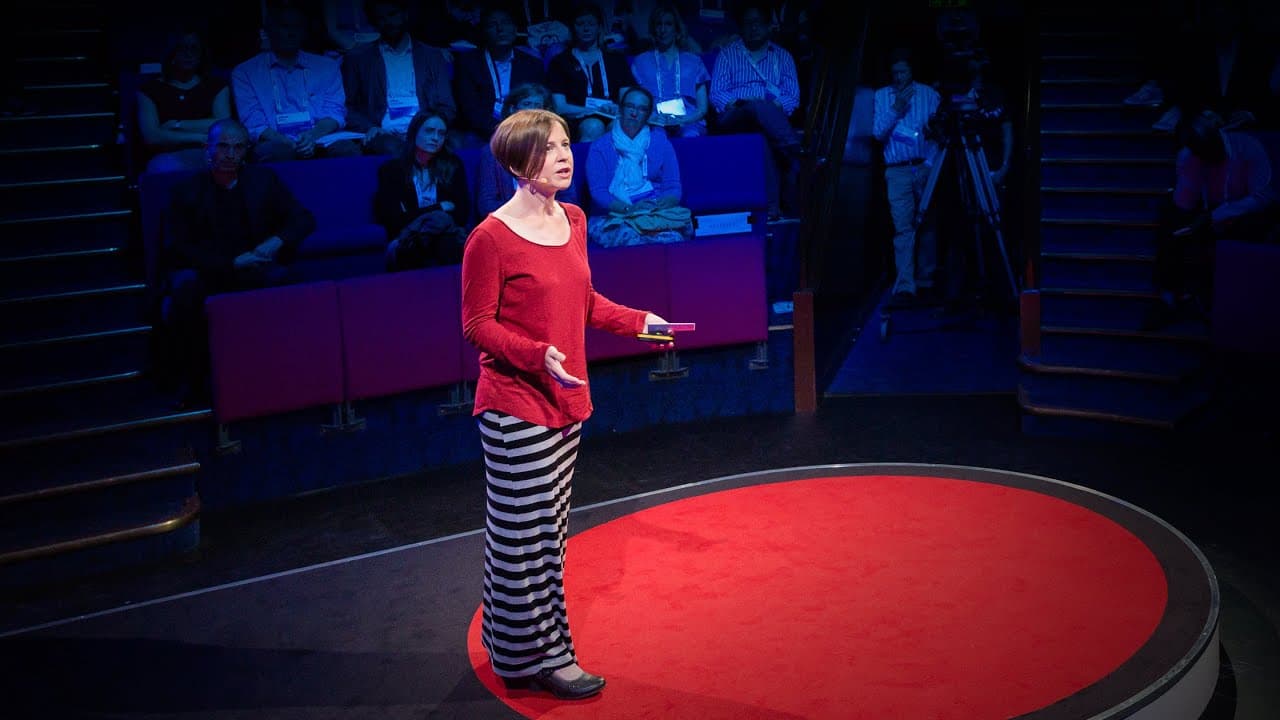
The content discusses the history of public beheadings, from the earliest crowds that gathered to watch, to the modern-day phenomenon of people watching beheading videos online.
Transcript
For the last year, everyone's been watching the same show, and I'm not talking about "Game of Thrones," but a horrifying, real-life drama that's proved too fascinating to turn off. It's a show produced by murderers and shared around the world via the Internet. Their names have become familiar: James Foley, Steven Sotloff, David Haines, Alan Henning... Read More
Key Insights
- 🎭 The beheadings carried out by the Islamic State were not archaic or remote, but uniquely modern, taking advantage of technology to connect with a global audience.
- 💻 A significant number of people, estimated in the millions, have watched these beheading videos, with polls in the UK and US showing a large percentage of people admitting to watching them.
- 📹 The advent of sites like YouTube and Facebook have made these videos more accessible than ever before, leading to a significant increase in viewership.
- 📷 The camera has played a critical role in increasing the accessibility of beheading videos, starting from the first public beheading filmed in France in 1939.
- 🎪 Throughout history, public executions and beheadings have attracted large crowds, often displaying enthusiasm rather than disgust.
- ⚖️ The introduction of the guillotine in France in 1792, despite being more humane, was viewed as disappointing by the crowds who were accustomed to drawn-out and torturous executions.
- 😓 The ability to watch beheadings online creates a sense of detachment and anonymity, making it easier for individuals to explore their curiosity about death and push personal boundaries.
- 👥 Contrary to feeling like passive observers, those who watch beheadings online are actively participating and fulfilling the murderers' desire to be seen.
Install to Summarize YouTube Videos and Get Transcripts
Explore YouTube Video Summarizer or Get YouTube Transcript Extractor
Questions & Answers
Q: What is the real-life drama that everyone has been watching for the last year?
The real-life drama that everyone has been watching for the last year is the beheadings carried out by the Islamic State and shared worldwide via the Internet.
Q: Are the beheadings of James Foley, Steven Sotloff, David Haines, Alan Henning, Peter Kassig, Haruna Yukawa, Kenji Goto Jogo ancient or modern practices?
The beheadings of these individuals by the Islamic State are modern practices, taking place in the 21st century and dependent on technology to connect millions of viewers worldwide.
Q: How many people have watched the beheading videos of James Foley in the UK?
According to a poll conducted in the UK in August 2014, an estimated 1.2 million people had watched the beheading of James Foley in the first few days after it was released.
Q: How did the availability of social media sites impact the viewership of beheading videos during the Iraq War?
Social media sites made beheading videos more accessible than ever before. One website reported a significant increase in daily viewing figures, with millions of downloads of these videos.
Q: When was the first film of a public beheading created and how did the crowd react?
The first film of a public beheading was created on June 17, 1939, in France. The crowd's reaction was described as "disgusting" and "unruly," but thousands of individuals had the opportunity to study the footage in detail.
Q: How did the introduction of the guillotine in France in 1792 impact the crowd's behavior during public executions?
The introduction of the guillotine in France in 1792 disappointed the crowd. They were accustomed to more drawn-out and torturous executions on the scaffold, and the guillotine's quick and efficient method left them feeling unsatisfied.
Q: Can incidents of suicide baiting be compared to the public's fascination with beheading videos?
Incidents of suicide baiting, where crowds jeer at individuals attempting suicide, provide a parallel to the fascination with beheading videos. People tend to take photographs and videos when such incidents occur, sharing them online.
Q: How does the internet create a sense of detachment and erode individual moral responsibility?
The internet offers a sense of anonymity and invisibility, making individuals feel less accountable for their online behavior. It also exposes users to material they wouldn't typically encounter in everyday life and allows for a passive viewing experience.
Summary & Key Takeaways
-
The Islamic State beheadings are not ancient or remote, but a 21st century global event that takes place through the power of technology to connect us.
-
Beheading videos have been watched by millions of people around the world, with polls indicating that a significant percentage of people have viewed these videos or have come close to doing so.
-
The internet creates a sense of detachment and anonymity that erodes individual moral responsibility and makes it easier for people to give in to their curiosity about death. However, by watching these videos, we are fulfilling the murderers' desire to be seen.
Read in Other Languages (beta)
Share This Summary 📚
Summarize YouTube Videos and Get Video Transcripts with 1-Click
Try YouTube Summary with ChatGPT & Claude or YouTube Transcript Generator
Explore More Summaries from TED 📚



Summarize YouTube Videos and Get Video Transcripts with 1-Click
Try YouTube Summary with ChatGPT & Claude or YouTube Transcript Generator