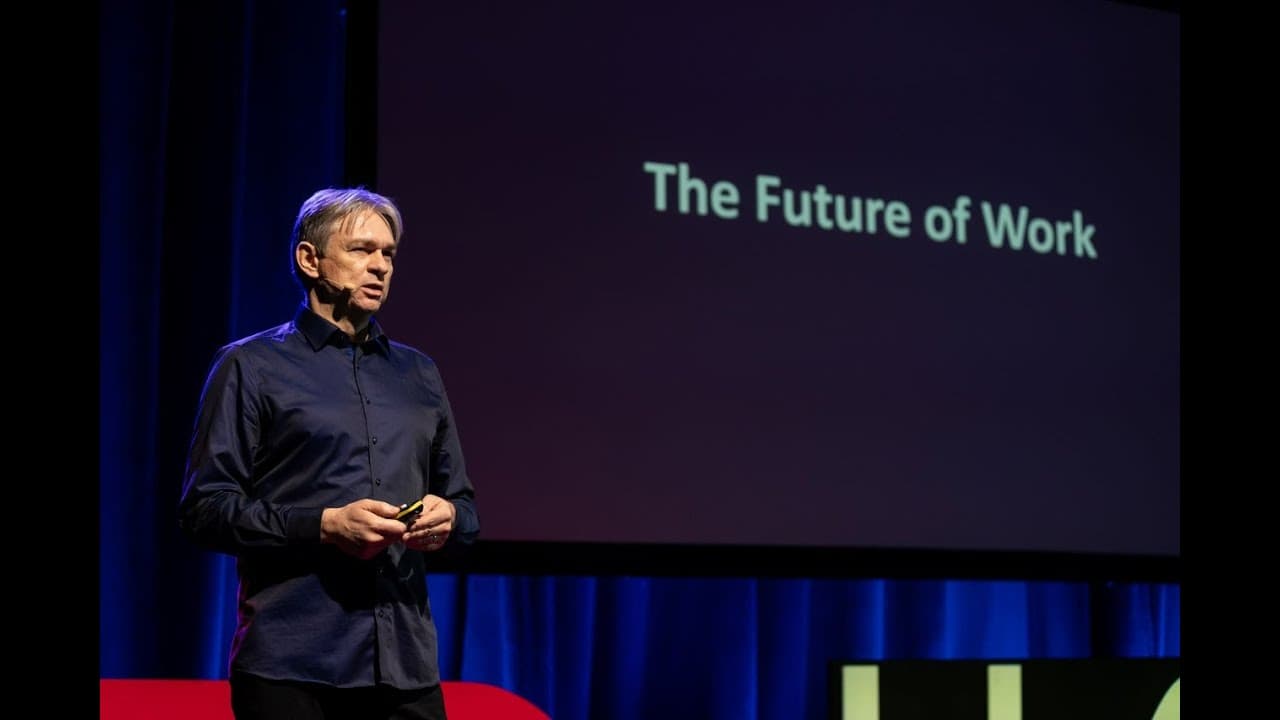
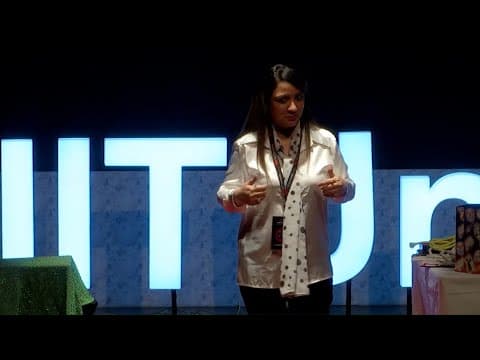
Future of Work | Michal Izak | TEDxUoChester
TL;DR
Future work trends shift towards remote flexibility and automation, reshaping workspaces.
Transcript
remote and flexible working on changing the landscape of where and how we work especially after covid-19 pandemic does it mean the end of the office well research suggests that nearly 50% of our jobs are likely to be automated does it mean that robots will take our jobs and should our jobs Prevail in some form how will remoteness flexibility and au... Read More
Key Insights
- 💦 Remote working surged during the pandemic, with benefits like increased productivity and work-life balance.
- 🧑💻 Automation threatens some job sectors but creates opportunities in tech-intensive roles.
- 💦 Flexible work arrangements may exacerbate inequalities and impact work-life balance.
- 🤨 Virtual tools challenge traditional work environments and raise questions about genuine human interactions.
- 💦 The future of work will likely involve a balance of mobility, automation, and reshaped workspaces.
- 🧑🏭 Automation's impact on jobs depends on factors like labor pricing and the nature of tasks.
- 🤨 Virtualization of workspaces and meetings allows for more flexibility but raises concerns about genuine human connections.
Install to Summarize YouTube Videos and Get Transcripts
Explore YouTube Video Summarizer or Get YouTube Transcript Extractor
Questions & Answers
Q: How has the COVID-19 pandemic accelerated the shift towards remote work?
The pandemic forced companies to adopt flexible work policies, with over 80% of employees working remotely, emphasizing the importance of adaptability in the workplace.
Q: What are the benefits and drawbacks of flexible working arrangements?
Flexible work arrangements promote work-life balance and increased productivity, but issues such as job inequality and work intensification can arise, affecting employees differently.
Q: How is automation transforming the job market?
Automation poses a threat to certain jobs, with around 14% at high risk of disappearance, while also creating new opportunities in more tech-intensive roles, signaling a shift in the nature of work.
Q: How do space and virtualization impact the future of work?
Workspaces are evolving to accommodate flexible work arrangements, blurring boundaries between home and office spaces, while virtual tools raise questions about genuine human connections and the balance of power in virtual environments.
Summary & Key Takeaways
-
Remote and flexible working, paired with automation, are shaping the future of work post-COVID-19.
-
Companies are adapting to mobile workspaces and virtual meetings, impacting work-life balance.
-
Automation, while promising efficiency, raises concerns about job displacement and the nature of work.
Read in Other Languages (beta)
Share This Summary 📚
Summarize YouTube Videos and Get Video Transcripts with 1-Click
Try YouTube Summary with ChatGPT & Claude or YouTube Transcript Generator
Explore More Summaries from TEDx Talks 📚

Summarize YouTube Videos and Get Video Transcripts with 1-Click
Try YouTube Summary with ChatGPT & Claude or YouTube Transcript Generator