Ancient Earth, Alien Earths
TL;DR
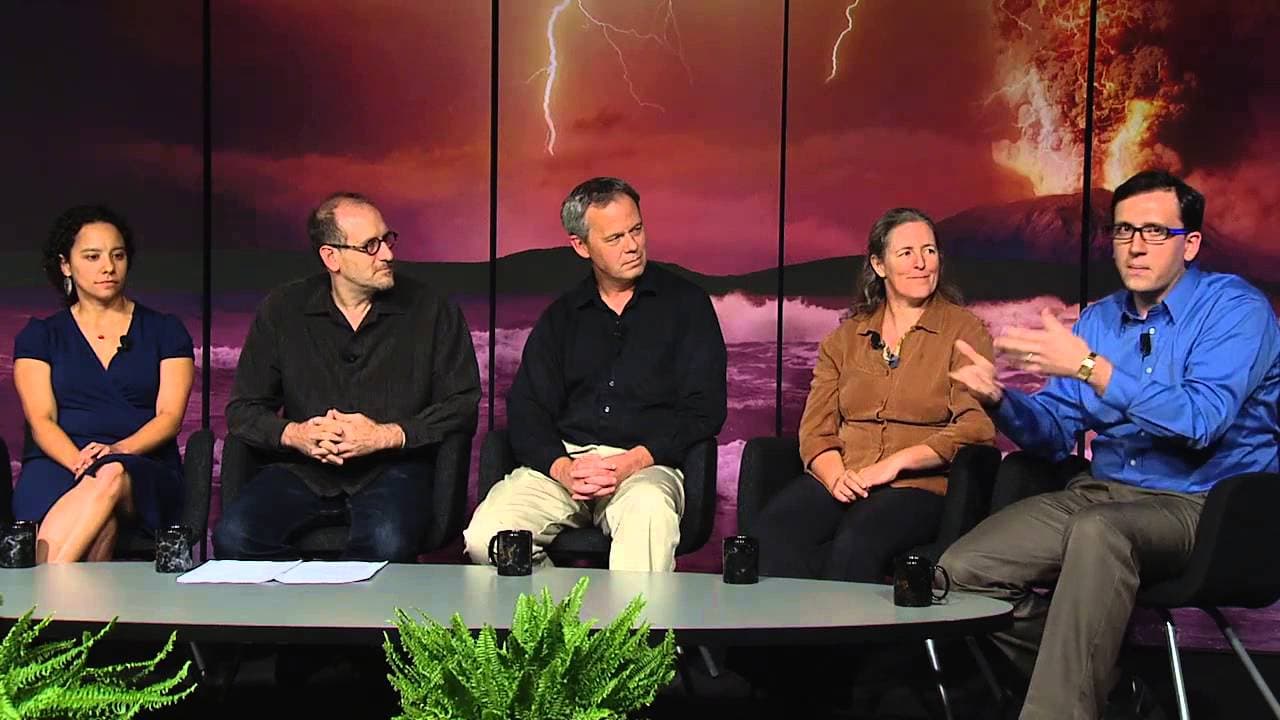
Scientists discuss the habitability of early Earth and its implications for finding life on other planets.
Transcript
GOOD EVENING AND WELCOME. I AM DR. LINDSAY HAYS, A POSTDOCTURAL FELLOW HERE AT NASA. TONIGHT'S DISCUSSION IS ABOUT WHAT WE KNOW ABOUT THE EARLY EARTH AND HOW THAT CAN GUIDE OUR SEARCH FOR HABITABLE PLANETS ORBITING OTHER STARS. IT WILL BE FOLLOWED BY A QUESTION AND ANSWER PERIOD WITH THOSE OF YOU IN THE AUDIENCE AS WELL AS ON SOCIAL MEDIA USING... Read More
Key Insights
- 🛟 The habitability of early Earth provides insights into the conditions necessary for life to evolve.
- 🤘 Detecting signs of life on other planets requires a multidisciplinary approach, considering factors such as atmospheric composition, energy sources, and stability.
- 🛟 The search for life on other planets may require expanding our understanding of what constitutes life and being open to the possibility of different types of organisms.
- 🪐 Exploring the early Earth and other planets provides valuable insights into our own planet and the potential for habitability elsewhere.
- 🧑🏭 The study of ancient rocks and fossils helps to piece together the history of life and the factors that influenced its evolution on Earth.
Install to Summarize YouTube Videos and Get Transcripts
Explore YouTube Video Summarizer or Get YouTube Transcript Extractor
Questions & Answers
Q: Are planets with liquid water necessarily habitable?
While the presence of liquid water is a key criterion for habitability, it does not guarantee the presence of life. Other factors, such as stability, energy sources, and the composition of the atmosphere, must also be considered.
Q: When did life first appear on Earth?
Fossil evidence suggests that life may have existed on Earth as early as 3.5 billion years ago. However, the origins of life and the transition to complex organisms are subjects of ongoing research and debate.
Q: Could there be life forms on other planets that are very different from Earth's?
It is possible that life on other planets may have developed in different ways and have different characteristics than life on Earth. Detecting and understanding such life forms would require expanding our understanding of the potential range of biological processes and adaptations.
Q: How do we guard against false positives when searching for signs of life on other planets?
Scientists use multiple lines of evidence and rigorous testing to discriminate between false positives and true signs of life. This includes analyzing gases in the atmosphere, examining geochemical signatures, and considering the overall environmental context.
Summary & Key Takeaways
-
The discussion focuses on the habitability of early Earth and its potential implications for finding life on other planets.
-
The panel of experts explores the conditions necessary for life to evolve, such as the presence of water and the stability of the environment.
-
The debate over the inevitability of life and complexity arises, with some scientists suggesting that life may be more unique and special than previously thought.
Read in Other Languages (beta)
Share This Summary 📚
Summarize YouTube Videos and Get Video Transcripts with 1-Click
Try YouTube Summary with ChatGPT & Claude or YouTube Transcript Generator
Explore More Summaries from NASA 📚

Summarize YouTube Videos and Get Video Transcripts with 1-Click
Try YouTube Summary with ChatGPT & Claude or YouTube Transcript Generator