RFK Jr. on Cuban Missile Crisis and JFK | Robert F Kennedy Jr and Lex Fridman
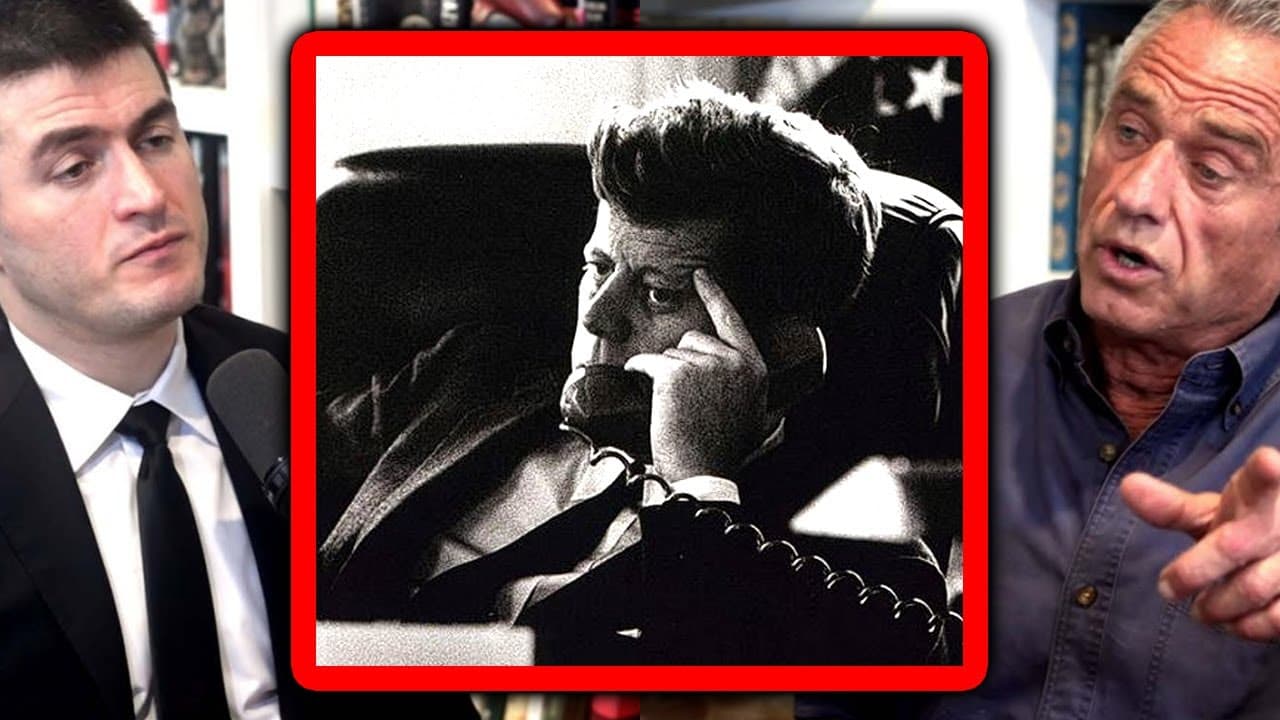
TL;DR
The Cuban Missile Crisis brought the world perilously close to nuclear war, highlighting the importance of open communication and global cooperation to address existential threats like AI and biological weapons.
Transcript
I have very strong memories of the argument Missile Crisis and of those 13 days when we came closer to nuclear war you know and particularly I think it was when the U2 got shot down over uh Cuba had you know and nobody in this guy there's a lot of people in Washington DC who at that point thought that they very male it may well may wake up dead tha... Read More
Key Insights
- ✊ The Cuban Missile Crisis showcased the power of effective leadership and communication in avoiding catastrophic events.
- 🌐 AI and biological weapons pose significant existential threats that require global cooperation and regulation.
- 🤗 The need for open and honest discussions between governments and tech companies is essential to address these threats effectively.
- 😒 Trust-building between different stakeholders is crucial for developing regulations and ensuring the responsible use of technology.
- 👂 The Cuban Missile Crisis serves as a reminder of the potential consequences of irresponsible action and the need for sound decision-making.
- 🌍 The importance of understanding the intentions and perspectives of other nations to prevent misunderstandings and conflicts.
- 🫱 Preparing for worst-case scenarios, such as nuclear war, can have a lasting psychological impact on individuals and communities.
Install to Summarize YouTube Videos and Get Transcripts
Explore YouTube Video Summarizer or Get YouTube Transcript Extractor
Questions & Answers
Q: What were some personal experiences during the Cuban Missile Crisis?
The speaker recalls U.S Marshals coming to his house to potentially evacuate his family, while he was excited about the idea of going to an underground city. He also mentions participating in regular drills at school to prepare for a potential nuclear attack.
Q: How did President Kennedy's leadership impact the outcome of the crisis?
President Kennedy showed great restraint and sought peaceful resolutions despite pressure from military officials. His secret correspondence with Khrushchev and proposal for a secret settlement demonstrated a desire to avoid war and protect human life.
Q: What insights were learned during a symposium on the Cuban Missile Crisis?
It was revealed that the nuclear warheads in Cuba were already armed and ready to be fired, with each missile crew having authorization to launch. This highlights the extreme danger the world was in and the potential for a catastrophic chain of events.
Q: How did personal experiences and wartime backgrounds influence Kennedy and Khrushchev's approach to the crisis?
Both leaders had experienced the horror and devastation of war firsthand, which made them more cautious and determined to avoid another conflict. Their past experiences shaped their desire for peace and understanding.
Summary & Key Takeaways
-
The Cuban Missile Crisis was a time of great anxiety and fear, with the threat of nuclear war looming large.
-
The speaker recalls personal experiences during the crisis, including potential evacuation to a bunker and the impact it had on daily life.
-
The crisis was ultimately resolved through secret negotiations and an understanding between President Kennedy and Premier Khrushchev, emphasizing the importance of effective leadership and communication.
Read in Other Languages (beta)
Share This Summary 📚
Summarize YouTube Videos and Get Video Transcripts with 1-Click
Try YouTube Summary with ChatGPT & Claude or YouTube Transcript Generator
Explore More Summaries from Lex Clips 📚




Summarize YouTube Videos and Get Video Transcripts with 1-Click
Try YouTube Summary with ChatGPT & Claude or YouTube Transcript Generator