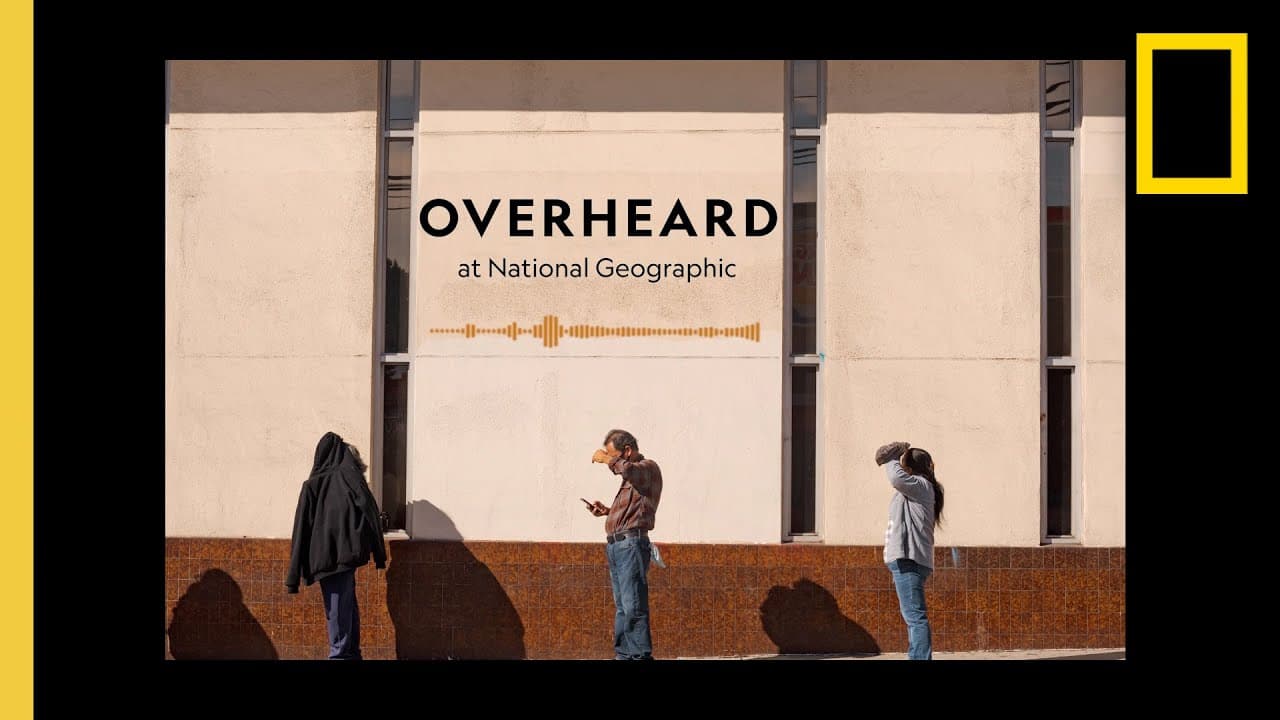
Cooling Cities By Throwing Shade | Podcast | Overheard at National Geographic
TL;DR
Racial history affects tree distribution, impacting heat relief in urban areas, sparking initiatives for tree equity.
Transcript
it's a hot breezy summer day in los angeles i'm just recording the sounds of my neighborhood here in the huntington park neighborhood you might see a woman named eileen garcia driving from tree to tree trying to give them some much needed relief from the heat so my first tree i'm stopping it as a crepe myrtle it was planted about six months ago as ... Read More
Key Insights
- 🥺 Redlining practices have perpetuated tree inequity in urban areas, leading to discrepancies in shade distribution.
- 🖤 Lack of trees intensifies the effects of heatwaves and climate change in neighborhoods with historical disparities.
- 🌲 Initiatives by organizations like Tree People aim to address tree equity by planting trees and caring for existing ones.
- 👱 Urban areas with more tree coverage experience cooler temperatures and improved air quality, benefiting residents.
- 🌲 Efforts to increase tree canopy cover in underserved communities require support from individuals, organizations, and local governments.
- 🖐️ Tree equity initiatives play a crucial role in enhancing urban environments and mitigating the impact of heatwaves on vulnerable communities.
- 🌲 Community engagement and education are vital in promoting the value of trees and encouraging sustainable tree care practices.
Install to Summarize YouTube Videos and Get Transcripts
Explore YouTube Video Summarizer or Get YouTube Transcript Extractor
Questions & Answers
Q: How do historical redlining practices impact tree distribution in urban areas?
Redlining practices in the past led to disparities in tree distribution, resulting in urban neighborhoods with less shade. This lack of trees exacerbates the effects of heatwaves and climate change in these areas.
Q: What role do organizations like Tree People play in addressing tree equity?
Organizations like Tree People, led by individuals like Eileen Garcia, work to plant and care for trees in urban areas lacking shade. Their efforts aim to increase tree canopy cover and provide relief from extreme heat.
Q: Why is tree equity important for communities in urban areas?
Tree equity is crucial for urban communities as it can help mitigate the impacts of heatwaves and improve air quality. Increasing tree coverage brings various benefits such as increased shade, cooler temperatures, and enhanced well-being.
Q: What challenges are faced in ensuring tree equity in underserved communities?
Underserved communities face challenges in maintaining trees due to factors like lack of resources and community engagement. Initiatives focusing on tree care, funding, and community involvement are essential to achieving tree equity.
Summary & Key Takeaways
-
Eileen Garcia, regional manager for Tree People, helps care for trees in urban areas lacking shade.
-
Redlining practices caused disparities in tree distribution, affecting neighborhoods differently.
-
Lack of trees in urban areas intensifies heatwaves, with tree care and equity efforts underway to mitigate the issue.
Read in Other Languages (beta)
Share This Summary 📚
Summarize YouTube Videos and Get Video Transcripts with 1-Click
Try YouTube Summary with ChatGPT & Claude or YouTube Transcript Generator
Explore More Summaries from Podcast | Overheard at National Geographic 📚
Summarize YouTube Videos and Get Video Transcripts with 1-Click
Try YouTube Summary with ChatGPT & Claude or YouTube Transcript Generator