Cartesian Dualism - Philosophy Tube
TL;DR
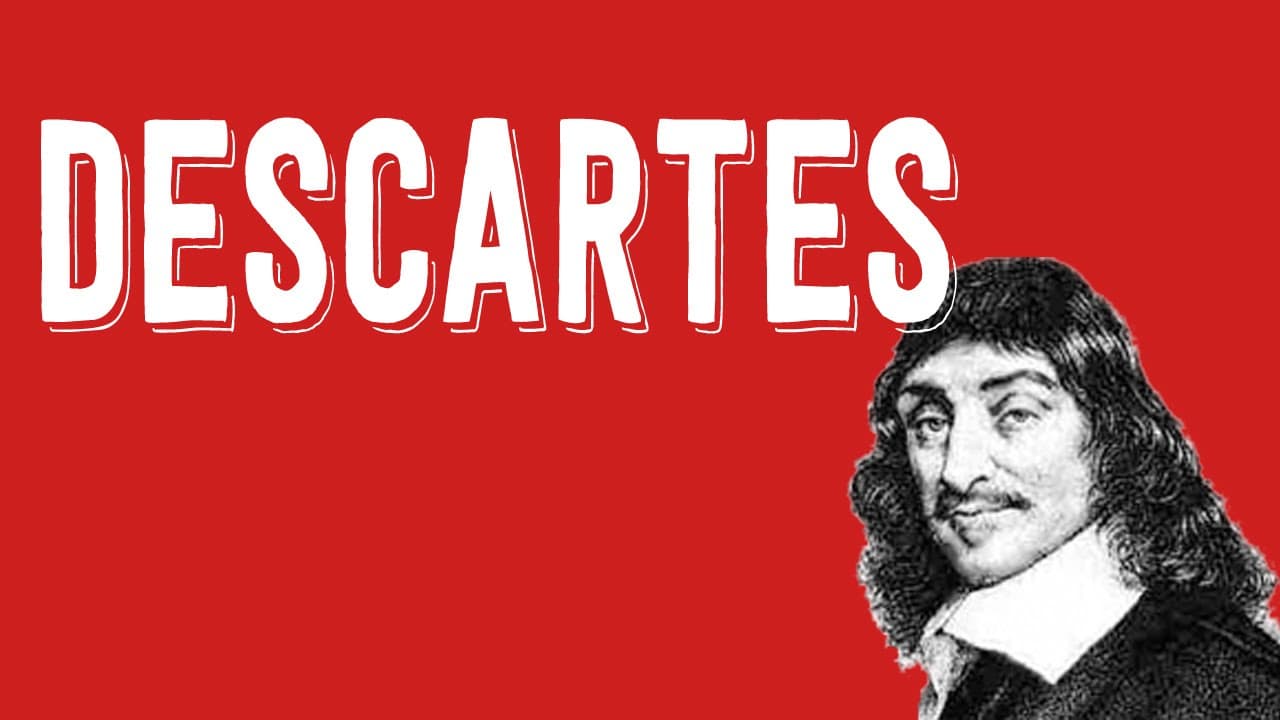
This episode explores Descartes' dualism and its implications on mind-body separation through examples in popular culture.
Transcript
This episode is about a link between descartes Keanu reeves and Yugioh [Music plays with simpson russell] You have probably heard of the work of rene descartes famous French philosopher and Captain hook look-alike who wrote I think therefore I am, which episode one of Philosophy Tube was about .All the way back in the distant past while poorly sho... Read More
Key Insights
- 🤯 René Descartes is known for introducing the concept of dualism, claiming that the mind and body are fundamentally different substances.
- 🤔 The principle "I think therefore I am" showcases Descartes' argument that thinking exists beyond doubt, forming a base for his philosophy.
- 😷 The masked man fallacy demonstrates a critical flaw in Cartesian dualism, revealing that belief does not define the properties of entities.
- 🤯 Contemporary dialogue around Cartesian dualism questions the interaction between mind and body, highlighting ongoing philosophical challenges.
- 💡 Popular culture frequently reflects dualistic themes, demonstrating the enduring influence of Descartes' ideas on modern narratives and identities.
- 🤯 Advances in neuroscience challenge Cartesian dualism, suggesting that the mind may not exist independently of the brain.
- ❓ Descartes’ dualism provokes critical discussions on the nature of consciousness and its relation to physical processes in the body.
Install to Summarize YouTube Videos and Get Transcripts
Explore YouTube Video Summarizer or Get YouTube Transcript Extractor
Questions & Answers
Q: What is Descartes' dualism and why is it significant?
Descartes' dualism is the philosophical concept that separates the mind (non-physical) from the body (physical), suggesting that they operate as distinct entities. This idea is significant as it has influenced not just philosophy, but also psychology, neuroscience, and culture, raising questions about consciousness, identity, and the nature of existence.
Q: How does the concept of "I think therefore I am" relate to Descartes' dualism?
"I think therefore I am" (Cogito, ergo sum) serves as the foundation of Descartes' dualism. It expresses that the act of thinking is undeniable proof of one's existence. Descartes argued that while he could doubt physical existence, the very act of doubt or thought confirms the existence of the mind, establishing a clear distinction between the mental and physical realms.
Q: What is the masked man fallacy and how does it challenge Descartes' argument?
The masked man fallacy illustrates that one's perceptions and beliefs about entities do not necessarily reflect the properties of those entities themselves. Descartes assumes different perceptions indicate different substances; however, the fallacy reveals that one's knowledge or doubt does not dictate the inherent characteristics of mind and body, challenging the basis of his dualism.
Q: What are some criticisms of Cartesian dualism presented in the episode?
The episode critiques Cartesian dualism by discussing issues like the interaction problem—how non-physical minds can affect physical bodies—and questions the clear separation of the two entities. It highlights that despite claiming separation, observable interactions suggest a complex relationship between mind and body that Cartesian dualism fails to adequately address.
Q: How is Descartes' dualism reflected in popular culture?
The separation of mind and body in Descartes' dualism is frequently echoed in popular culture, as seen in films like "The Matrix" and narratives involving ghosts. These cultural references often explore themes of identity, consciousness, and the existential conflict between the tangible and intangible, driving home the relevance of Descartes' ideas in modern storytelling.
Q: What implications does Cartesian dualism have for understanding consciousness?
Cartesian dualism complicates our understanding of consciousness because it suggests that consciousness is separate from physical processes. This leads to ongoing debates about the nature of consciousness, its origins, and how it interacts with the brain and body. If mind and body are distinct, the challenge is explaining how mental experiences arise from physical brain activity.
Q: What are some contemporary views on dualism compared to Descartes' original ideas?
Today, many philosophers and scientists favor materialist views over Descartes' dualism, positing that mind and consciousness are products of brain functions rather than separate substances. This shift reflects advancements in neuroscience, which increasingly provides evidence for physical explanations of mental processes, challenging the validity and acceptance of dualism in philosophical discussions.
Summary & Key Takeaways
-
The content discusses René Descartes' dualism, which posits that the mind and body are fundamentally different substances, leading to significant philosophical debates.
-
The episode highlights Descartes' famous phrase, "I think therefore I am," and elaborates on how this principle supports the argument for the separation of mental and physical substances.
-
The video critiques Cartesian dualism, introducing concepts like the masked man fallacy and questioning how non-physical minds can impact physical bodies.
Read in Other Languages (beta)
Share This Summary 📚
Summarize YouTube Videos and Get Video Transcripts with 1-Click
Try YouTube Summary with ChatGPT & Claude or YouTube Transcript Generator
Explore More Summaries from Philosophy Tube 📚




Summarize YouTube Videos and Get Video Transcripts with 1-Click
Try YouTube Summary with ChatGPT & Claude or YouTube Transcript Generator