What Causes Aging and How Can We Extend Our Lifespan?
TL;DR
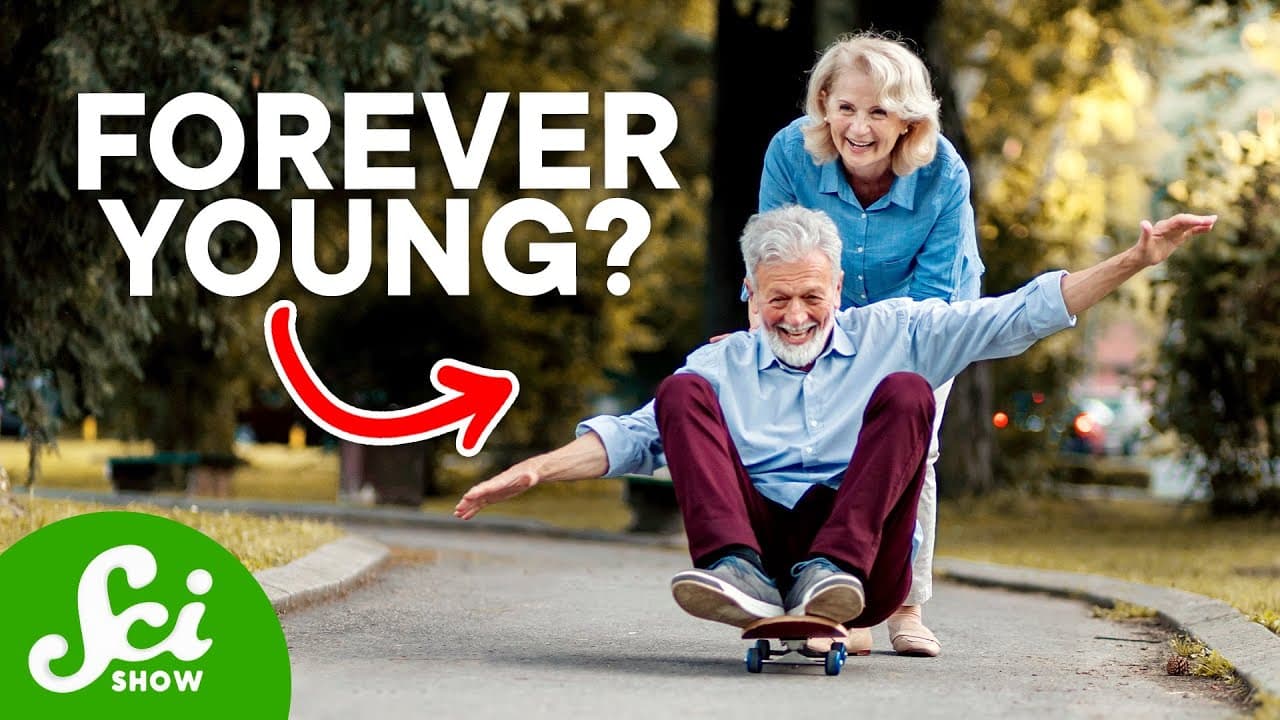
Aging results from cellular senescence, where cells lose their ability to divide and function, significantly influenced by genetics, lifestyle, and caloric intake. Key genes like DAF-2 and lifestyle choices can potentially extend lifespan, with healthier habits linked to longevity. While researchers are exploring genetic and dietary approaches to increase lifespan, factors such as family history and lifestyle choices play crucial roles.
Transcript
I hate death. More than 150,000 people die on this planet every, freaking, day and some of those people are getting hit by buses or dying of how cute a puppy is or something. But in most cases, their bodies are just succumbing to the dirty work of aging... and I'm tired of it, and I don't want George R.R. Martin to die before he finishes his Game o... Read More
Key Insights
- ❓ Senescence affects an organism's ability to combat stress, maintain homeostasis, and resist disease.
- ⌛ The Hayflick limit determines the number of times a cell can divide, impacting an organism's longevity.
- 🖐️ Genes like DAF-2 and lifestyle factors such as caloric intake play roles in extending lifespan.
- 😘 Lower caloric intake may shift metabolism towards maintaining existing cells, potentially impacting longevity.
- 👨🔬 Research on genes in nematodes and mammals provides insights into genetic regulation of aging.
- 🏃 Lifestyle choices like diet, exercise, and smoking habits significantly influence longevity.
- 🤕 Longevity studies on animals and humans provide valuable insights into aging and lifespan extension.
Install to Summarize YouTube Videos and Get Transcripts
Explore YouTube Video Summarizer or Get YouTube Transcript Extractor
Questions & Answers
Q: What is senescence, and how does it impact aging in organisms?
Senescence is the process of aging that affects an organism's ability to combat stress, maintain homeostasis, and resist disease, ultimately leading to death.
Q: How does the Hayflick limit determine the lifespan of organisms?
The Hayflick limit refers to the number of times a cell can divide before reaching senescence, influenced by genetic factors and impacting an organism's overall longevity.
Q: What role do genes like DAF-2 play in the aging process?
Genes like DAF-2 in nematodes and their counterparts in mammals regulate aging by controlling the production of antioxidants and fighting off pathogens to extend lifespan.
Q: How does caloric intake affect the aging process in organisms?
Lower caloric intake stimulates genes like IGF-1, which can impact metabolism and shift energy towards maintaining existing cells, potentially prolonging lifespan.
Summary & Key Takeaways
-
Aging is a natural process leading to senescence, affecting the ability to combat physical stress and disease.
-
Cells have a finite division limit, determined by the Hayflick limit, impacting organismal longevity.
-
Research on genes like DAF-2 and lifestyle factors like caloric intake suggests ways to extend lifespan.
Read in Other Languages (beta)
Share This Summary 📚
Summarize YouTube Videos and Get Video Transcripts with 1-Click
Try YouTube Summary with ChatGPT & Claude or YouTube Transcript Generator
Explore More Summaries from SciShow 📚
Summarize YouTube Videos and Get Video Transcripts with 1-Click
Try YouTube Summary with ChatGPT & Claude or YouTube Transcript Generator