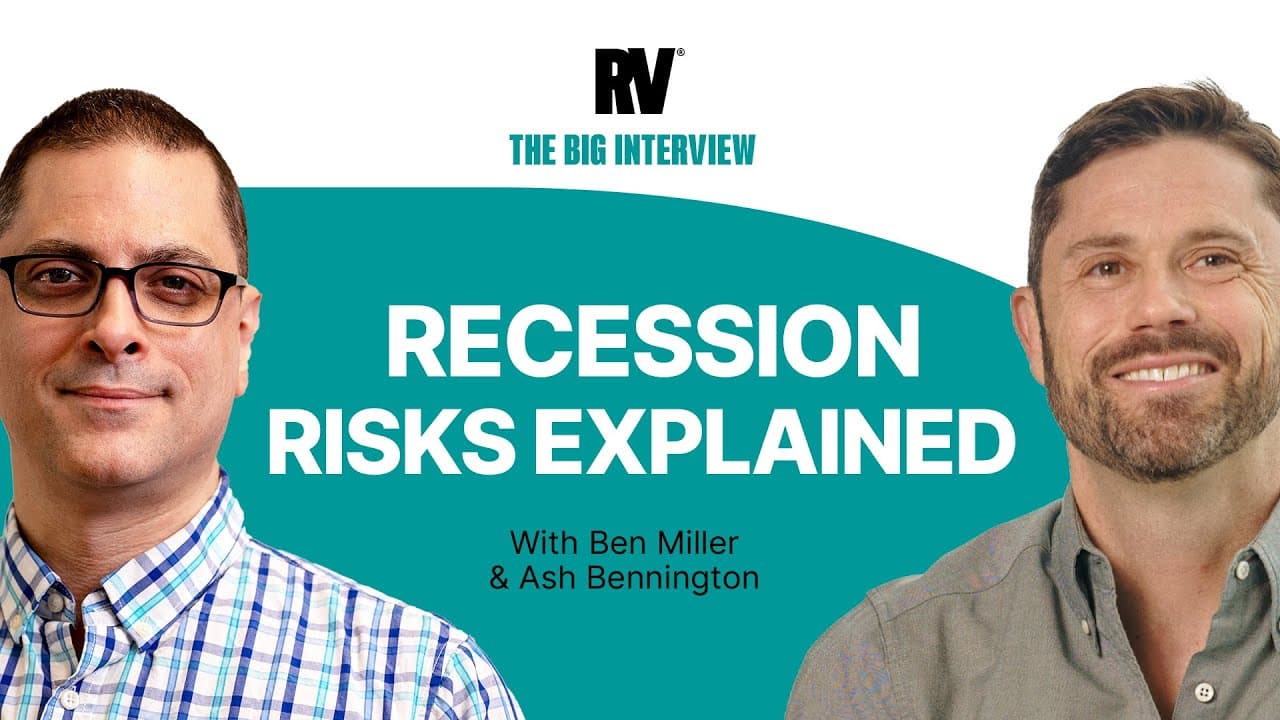
Is the US Heading for a Recession in 2024?
TL;DR
The US economy is experiencing a gradual slowdown due to high interest rates, but a recession may not be imminent. The Federal Reserve's policies are creating a mixed impact with long lags in effect. Fixed-rate debts are cushioning the economy, while the housing market remains resilient due to institutional interest and demographic shifts.
Transcript
it's a brilliant brilliant event and you'll come away with lots of new ideas and a better understanding of this incredible exponential world you get to speak to the smartest people people like you trying to figure this out but also the people on stage they're the experts so we get all of that all in one place in Singapore what more can you ask see ... Read More
Key Insights
- The US economy is slowing gradually due to high interest rates, but a recession is not certain.
- Fixed-rate debts are providing a buffer against the immediate impact of rising interest rates.
- The Federal Reserve's asset holdings mitigate financial consequences of rate hikes.
- Institutional interest in housing is high, driven by its perceived safety and resilience.
- Demographic shifts, including increased immigration, are boosting housing demand.
- Private credit markets are experiencing oversupply, affecting lending dynamics.
- The real estate market shows a divide, with high-end homes being built more than affordable ones.
- The Federal Reserve may eventually need to lower rates due to unsustainable debt servicing costs.
Install to Summarize YouTube Videos and Get Transcripts
Explore YouTube Video Summarizer or Get YouTube Transcript Extractor
Questions & Answers
Q: How are fixed-rate debts affecting the US economy?
Fixed-rate debts are cushioning the US economy against the immediate impact of rising interest rates. Many consumers have locked in low mortgage rates, reducing their financial stress and allowing them to maintain spending levels. This stability helps sustain economic activity despite the Federal Reserve's rate hikes, which are intended to slow the economy.
Q: Why is the housing market considered resilient?
The housing market is considered resilient due to strong institutional interest and demographic shifts. Institutional investors see housing as a safe and stable investment, while increased immigration and population growth are boosting demand for housing. This resilience is evident in the continued construction of high-end homes, despite broader economic uncertainties.
Q: What role do private credit markets play in the current economy?
Private credit markets are experiencing an oversupply of capital, which is affecting lending dynamics. This influx of private credit is providing liquidity to the market, supporting risk-taking and investment in real estate and other sectors. However, the oversupply may also lead to potential risks if not managed carefully, as it can distort asset valuations and lending standards.
Q: How are demographic shifts impacting the US economy?
Demographic shifts, particularly increased immigration, are positively impacting the US economy by boosting housing demand and supporting labor market growth. The influx of new working-age individuals is offsetting the natural decline in birth rates and contributing to economic stability. This demographic trend is crucial for sustaining long-term economic growth and addressing labor shortages.
Q: Why might the Federal Reserve need to lower interest rates in the future?
The Federal Reserve may need to lower interest rates in the future due to the unsustainable cost of servicing the nation's high debt levels. As interest rates remain elevated, the burden of debt servicing grows, potentially leading to economic strain. Lowering rates would alleviate this burden, making it more feasible for the government and consumers to manage their debts.
Q: What are the potential risks of the current economic environment?
The current economic environment poses potential risks due to the high levels of risk-taking and capital flow, which may lead to asset bubbles and financial imbalances. Geopolitical tensions and political uncertainties also add to the risk landscape. While the economy is navigating these challenges, the potential for a soft landing remains, albeit with significant caveats.
Q: How is the real estate market divided in the US?
The US real estate market is divided, with a focus on building high-end homes while affordable housing lags. This division reflects broader economic disparities, as those with fixed-rate debts and higher incomes can afford more expensive properties. Meanwhile, lower-income individuals face challenges in accessing affordable housing, exacerbating economic inequality.
Q: What factors could lead to a recession in the US?
Factors that could lead to a recession in the US include geopolitical tensions, political uncertainties, and potential financial imbalances from excessive risk-taking. While the economy is currently showing resilience, these external factors could disrupt growth and lead to economic contraction. The Federal Reserve's future policy decisions will also play a critical role in shaping the economic outlook.
Summary & Key Takeaways
-
The US economy is experiencing a gradual slowdown due to high interest rates, but a recession may not be imminent. Fixed-rate debts are providing a cushion against the immediate impact of rate hikes, and the Federal Reserve's asset holdings are mitigating financial consequences. The housing market remains resilient, driven by institutional interest and demographic shifts such as increased immigration.
-
Institutional interest in housing is high, with a focus on safety and resilience. Demographic shifts, including increased immigration, are boosting housing demand, while private credit markets experience oversupply, affecting lending dynamics. The real estate market shows a divide, with high-end homes being built more than affordable ones, reflecting broader economic disparities.
-
The Federal Reserve may eventually need to lower interest rates due to unsustainable debt servicing costs. While the current economic environment is marked by risk-taking and capital flow, the potential for a soft landing remains, although geopolitical and political factors pose risks. Overall, the US economy is navigating a complex landscape with mixed signals from various sectors.
Read in Other Languages (beta)
Share This Summary 📚
Summarize YouTube Videos and Get Video Transcripts with 1-Click
Try YouTube Summary with ChatGPT & Claude or YouTube Transcript Generator
Explore More Summaries from Real Vision 📚




Summarize YouTube Videos and Get Video Transcripts with 1-Click
Try YouTube Summary with ChatGPT & Claude or YouTube Transcript Generator