What Is the Illegal Wildlife Trade and Its Impact?
TL;DR
The illegal wildlife trade in Myanmar is a multi-billion dollar industry, primarily driven by demand for animal products in traditional Chinese medicine and exotic cuisine. Despite international agreements, enforcement is lax, leading to the depletion of endangered species like tigers and bears. Tourists contribute to this crisis by purchasing wildlife products, exacerbating the threat to biodiversity.
Transcript
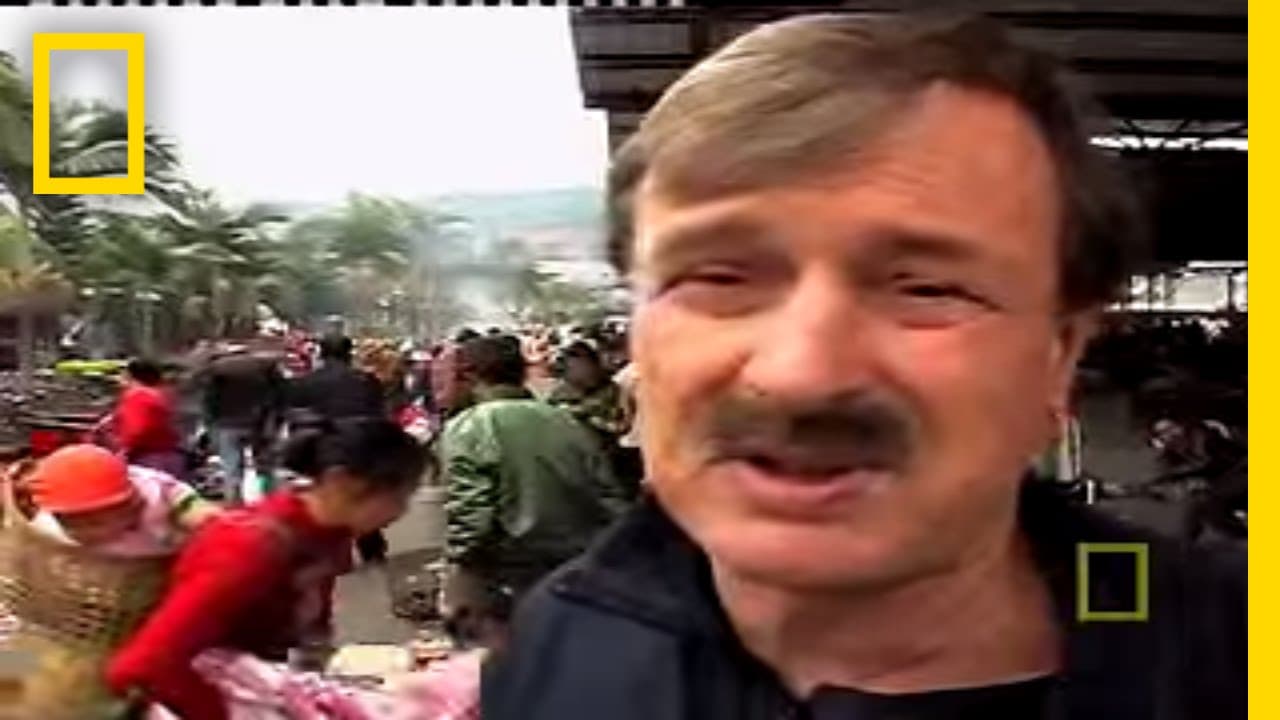
in a market in Myanmar vendors display wares you won't find at your local market rows of bear paws and gallbladders big cat teeth and one of the most expensive items a dismembered tiger penis Karl Amon is a swiss born conservation activist and photographer by trade through his photographs and website he spent the bulk of his career shedding light o... Read More
Key Insights
- ⛽ Karl Amon exposed the rampant illegal wildlife trade in Myanmar, fueled by demand for animal products in traditional Chinese medicine.
- 🥳 The trade includes live animals, meat, and body parts like bear bile, posing a significant threat to endangered species.
- 👻 Conservation efforts are hindered by insufficient enforcement of international agreements, allowing the trade to persist.
- 🧔 The wildlife trade in Asia, particularly China, is a multi-billion dollar industry, driving the depletion of species like tigers and bears.
- ™️ Tourists visiting Myanmar contribute to the demand for wildlife products, perpetuating the trade and endangering species.
- 🖤 Despite some government initiatives, there is a lack of significant action to address the illegal wildlife trade and protect endangered species.
- 🌏 Conservationists fear the continued depletion of wildlife populations in Southeast Asia without stronger international pressure on governments.
Install to Summarize YouTube Videos and Get Transcripts
Explore YouTube Video Summarizer or Get YouTube Transcript Extractor
Questions & Answers
Q: What did Karl Amon discover in the market in Myanmar?
Karl Amon discovered a thriving illegal wildlife trade involving live animals, meat, and body parts like bear paws and tiger penis, primarily for use in traditional Chinese medicines.
Q: Why is the illegal wildlife trade booming in Asia?
The demand in Asia, particularly China, for wildlife products such as bear bile and exotic meats drives the illegal wildlife trade, making it a multi-billion dollar industry.
Q: How are endangered species impacted by the wildlife trade in Southeast Asia?
Endangered species like tigers, rhinos, and bears are disappearing due to the illegal wildlife trade, leading to concerns of empty forests and the loss of biodiversity in the region.
Q: What challenges do conservation groups face in combating the illegal wildlife trade?
Despite international agreements like CITES, enforcement by governments in countries like China and Myanmar remains insufficient, allowing the trade to continue unabated.
Summary & Key Takeaways
-
Karl Amon, a conservation activist, uncovered the extensive illegal wildlife trade in a market in Myanmar.
-
The trade involves the sale of live animals, meat, and body parts for use in Chinese medicines and exotic cuisine.
-
Despite international agreements, enforcement remains lax, leading to the depletion of endangered species.
Read in Other Languages (beta)
Share This Summary 📚
Summarize YouTube Videos and Get Video Transcripts with 1-Click
Try YouTube Summary with ChatGPT & Claude or YouTube Transcript Generator
Explore More Summaries from National Geographic 📚



Summarize YouTube Videos and Get Video Transcripts with 1-Click
Try YouTube Summary with ChatGPT & Claude or YouTube Transcript Generator