François Chollet and Lex Fridman disagree about the Turing Test
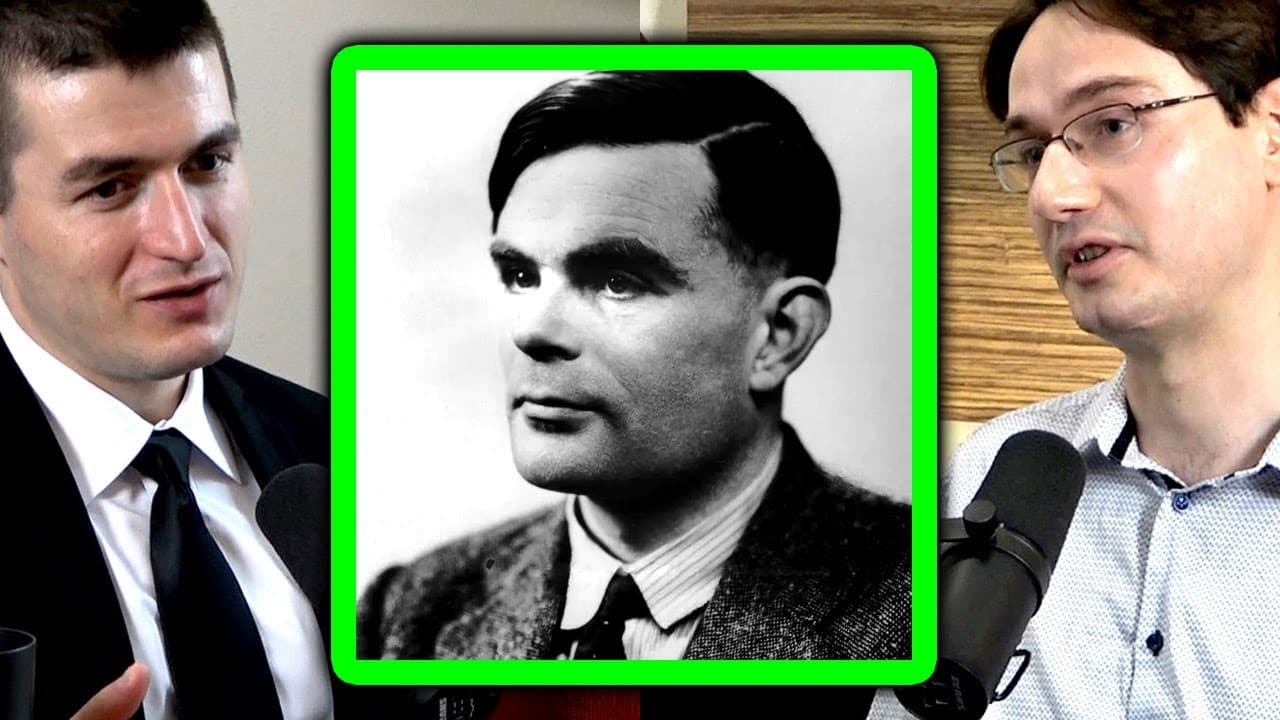
TL;DR
The author disapproves of the Turing Test and its variants for assessing artificial intelligence due to reliance on subjective human judges. They argue that the test lacks proper methodology, is biased, lacks standardization, and freedom from bias. They believe that human-like intelligence should not be the ultimate goal and that interactivity is essential to measure adaptation and generalization abilities.
Transcript
so what are your thoughts on um the turing test and the lobner prize which is the you know one of the most famous attempts at the test of human intelligence uh sorry of artificial intelligence by uh doing a natural language open dialogue test that's test that's uh judged by humans as far as how well the machine did so i'm not a fan of the chewing t... Read More
Key Insights
- 🤨 The Turing Test outsources the assessment of intelligence to human judges, which raises concerns about bias, reliability, and standardization.
- 💪 The test's focus on achieving human-like intelligence may hinder progress in developing AI with strong generalization capabilities.
- 🎁 Interactivity can be valuable in evaluating AI systems' adaptive and generalization abilities, but it can also present challenges in scalability and reliability.
Install to Summarize YouTube Videos and Get Transcripts
Explore YouTube Video Summarizer or Get YouTube Transcript Extractor
Questions & Answers
Q: Why does the author criticize the Turing Test and its variants?
The author believes that these tests fail to define and measure intelligence due to the subjective judgment of human judges. They argue that the tests lack reliability, standardization, and freedom from bias.
Q: What was the original intention behind the Turing Test?
Turing intended the test to be a thought experiment and a philosophical discussion on the possibility of encoding human-like intelligence into machines. It was not meant to be a practical test of AI.
Q: Why does the author argue against human-like intelligence as the ultimate goal?
The author believes that achieving human-like intelligence is the final step in the creation of machine intelligence and that the focus should be on developing AI systems with strong generalization and cognitive abilities.
Q: Why does the author emphasize the importance of interactivity in evaluating AI?
Interactivity forces AI systems to adapt and demonstrate generalization abilities. However, the author acknowledges that reliance on human judges can limit scalability and reliability.
Summary & Key Takeaways
-
The Turing Test and its variants outsource the assessment of intelligence to human judges, undermining the reliability and scientific nature of the test.
-
The original purpose of the Turing Test was to explore the possibility of encoding human-like intelligence into machines, not to serve as a definitive test of AI.
-
The incentives created by the test encourage reliance on tricks and prestidigitation, rather than promoting scientific research and meaningful progress.
Read in Other Languages (beta)
Share This Summary 📚
Summarize YouTube Videos and Get Video Transcripts with 1-Click
Try YouTube Summary with ChatGPT & Claude or YouTube Transcript Generator
Explore More Summaries from Lex Clips 📚




Summarize YouTube Videos and Get Video Transcripts with 1-Click
Try YouTube Summary with ChatGPT & Claude or YouTube Transcript Generator