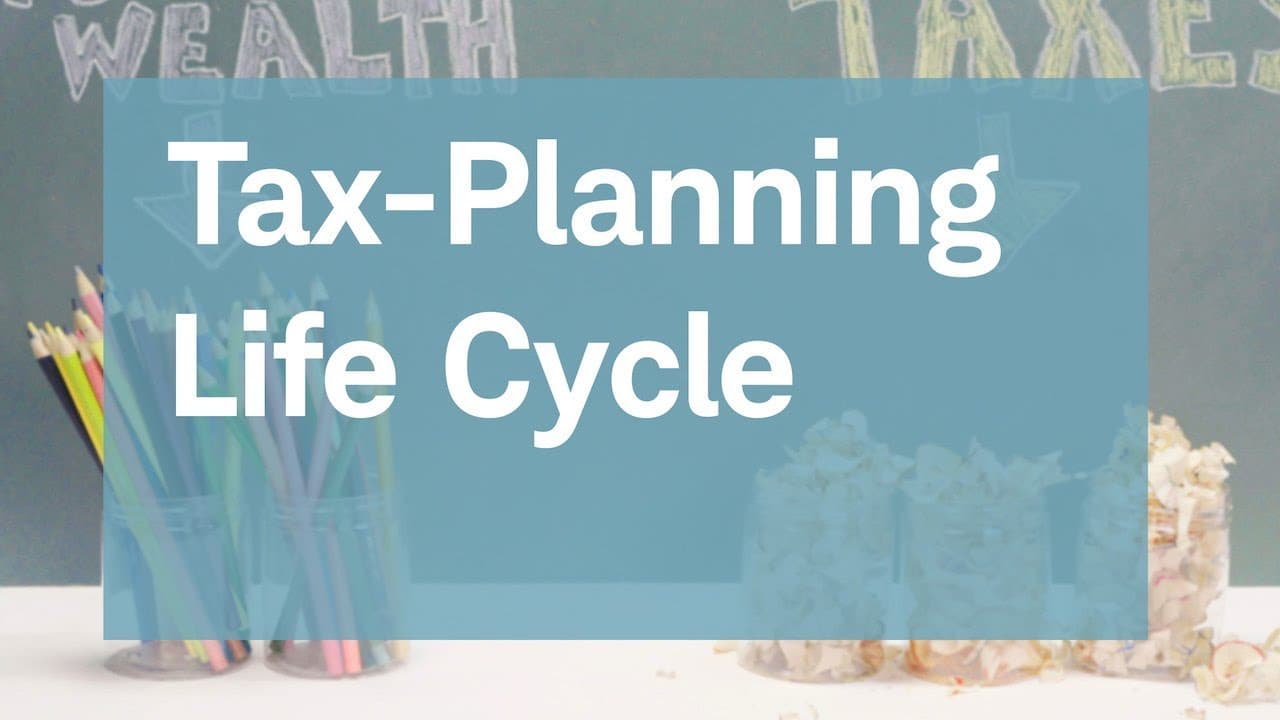
The Tax-Planning Life Cycle
TL;DR
Understanding tax planning is crucial for growing wealth and avoiding unnecessary taxes.
Transcript
Most people would agree that tax planning is a smart idea– but, those same people might also think it sounds like a lot of work, and boring work at that, so they generally choose to avoid it. Skip the planning and you may miss out on the chance to grow your wealth. Plus, you could end up paying more in taxes than you should. Being able to avoid tha... Read More
Key Insights
- 💗 Tax planning is crucial for growing wealth and avoiding unnecessary taxes.
- 🚕 Understanding tax basics and differences between accounts can help maximize after-tax wealth.
- 🚕 Strategic distribution planning can help prolong savings and minimize tax impacts.
- 🚕 Utilizing tax-advantaged accounts like Roths and Traditional IRAs can offer tax benefits in the long run.
- 🧑⚕️ Avoiding common tax planning mistakes like underreporting income is essential for financial health.
- 💐 Municipal bonds and ETFs can be tax-efficient investment choices in brokerage accounts.
- 🦃 Proper tax planning can help minimize estate taxes and maximize charitable giving.
Install to Summarize YouTube Videos and Get Transcripts
Explore YouTube Video Summarizer or Get YouTube Transcript Extractor
Questions & Answers
Q: Why is tax planning important for growing wealth?
Tax planning helps individuals save more money, invest wisely, and distribute funds efficiently to maximize after-tax wealth. Without proper planning, one may end up paying more in taxes and missing out on potential growth opportunities.
Q: What are some common tax planning mistakes to avoid?
Common tax planning mistakes include underreporting income, claiming deductions without proper documentation, not withholding enough taxes, and paying taxes late. These mistakes can lead to IRS penalties and unnecessary tax expenses.
Q: How can tax-advantaged accounts benefit tax planning?
Tax-advantaged accounts, such as 401(k)s and Traditional IRAs, allow individuals to defer taxes on contributions and earnings until withdrawals are made. Roth accounts, on the other hand, provide tax-free growth potential and tax-free withdrawals if rules are followed.
Q: How does tax planning impact the distribution phase?
Tax-efficient distribution planning helps individuals take withdrawals strategically to prolong savings, minimize tax impacts on Social Security benefits, and potentially reduce Medicare premiums based on income. Strategies like gifting and setting up trusts can also be utilized to optimize wealth distribution.
Summary & Key Takeaways
-
Tax planning is essential for growing wealth and avoiding overpaying in taxes.
-
The process involves three phases: Save More, Invest and Grow, and Distribute.
-
Knowing tax basics, selecting the right accounts, and planning distributions are key for maximizing after-tax wealth.
Read in Other Languages (beta)
Share This Summary 📚
Summarize YouTube Videos and Get Video Transcripts with 1-Click
Try YouTube Summary with ChatGPT & Claude or YouTube Transcript Generator
Explore More Summaries from Charles Schwab 📚





Summarize YouTube Videos and Get Video Transcripts with 1-Click
Try YouTube Summary with ChatGPT & Claude or YouTube Transcript Generator