Generative Syntax 4.1: The X-bar Schema
TL;DR
This content explains the structure of phrases in linguistics, including the X-bar schema, and explores how it can be applied to different categories of phrases.
Transcript
we've seen that a transitive verb combines with two arguments the subject which frequently expresses the agent although not necessarily and the object which again not necessarily but frequently expresses the theme and we've also seen that these arguments are combined with a verb in a particular order so the verb combines first with the object and f... Read More
Key Insights
- 💁 Transitive verbs combine with a subject and an object, forming a larger constituent.
- 🤕 Phrases can be headed by different categories, including verbs, prepositions, and adjectives.
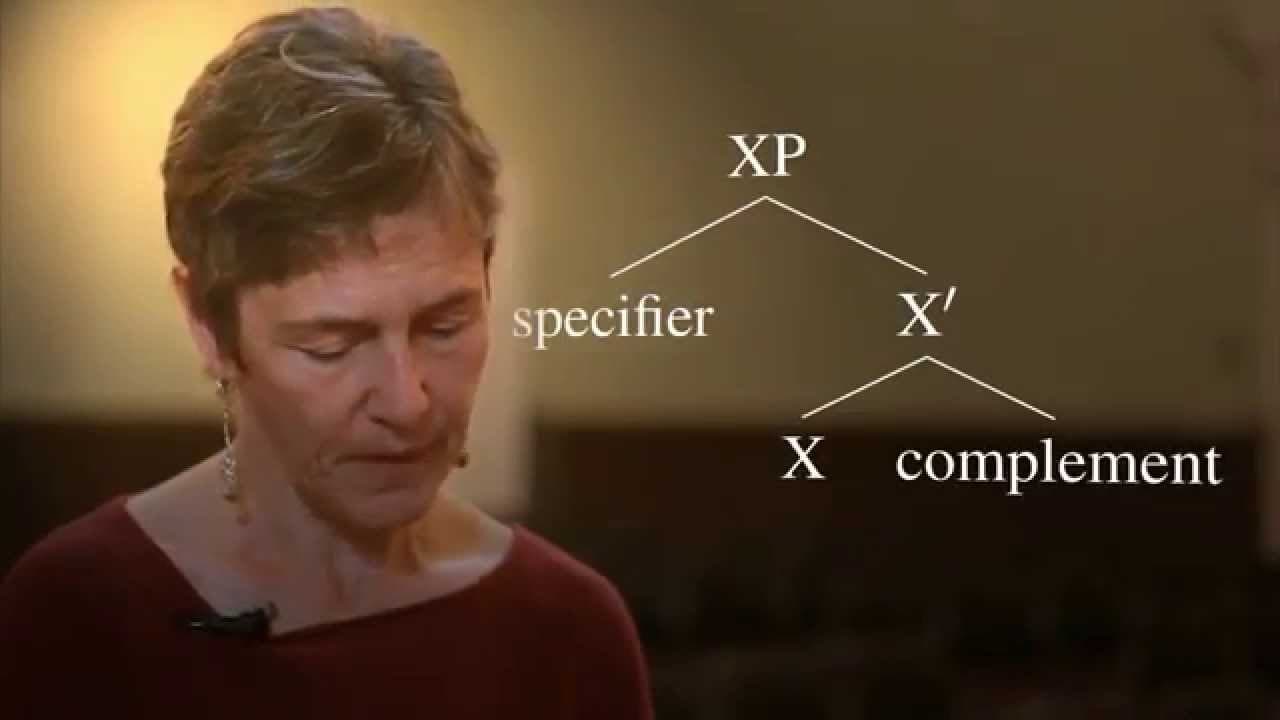
- 🤯 The X-bar schema provides a general structure for all types of phrases, with a variable representing the head.
- 🤕 Complements and specifiers may be optional depending on the properties of the head.
- 🧘 Some cases, like ditransitive verbs or phrases with multiple modifiers, require additional positions within the phrase.
- ☺️ The X-bar schema can be applied to different categories of phrases, including verb phrases and noun phrases.
- ☺️ The X-bar schema may not cover all the variations and complexities of phrase structure, requiring additional adaptations.
Install to Summarize YouTube Videos and Get Transcripts
Explore YouTube Video Summarizer or Get YouTube Transcript Extractor
Questions & Answers
Q: How do transitive verbs combine with their arguments?
Transitive verbs typically combine with a subject (agent) and an object (theme) in a specific order, forming a larger constituent.
Q: Can phrases be headed by categories other than verbs?
Yes, phrases can also be headed by prepositions or adjectives, which follow a similar structure to the verb phrase.
Q: What is the X-bar schema?
The X-bar schema proposes that all phrases have a similar structure, with a variable representing the head (X), which combines with a complement to form an X-bar, and then combines with another phrase to form an XP.
Q: Can the structure of nominal phrases be explained by the X-bar schema?
Yes, nominal phrases can be structured using the X-bar schema, with a noun (N) as the head, projecting an Nar and then an NP.
Key Insights:
- Transitive verbs combine with a subject and an object, forming a larger constituent.
- Phrases can be headed by different categories, including verbs, prepositions, and adjectives.
- The X-bar schema provides a general structure for all types of phrases, with a variable representing the head.
- Complements and specifiers may be optional depending on the properties of the head.
- Some cases, like ditransitive verbs or phrases with multiple modifiers, require additional positions within the phrase.
- The X-bar schema can be applied to different categories of phrases, including verb phrases and noun phrases.
- The X-bar schema may not cover all the variations and complexities of phrase structure, requiring additional adaptations.
- Linguists at the University of Edinburgh have produced this analysis of phrase structure.
Summary & Key Takeaways
-
A transitive verb combines with two arguments, a subject and an object, in a particular order.
-
Phrases can be headed by different categories such as verbs, prepositions, or adjectives.
-
The X-bar schema suggests that all phrases have a similar structure, with a variable standing for the lexical category of the head.
Read in Other Languages (beta)
Share This Summary 📚
Summarize YouTube Videos and Get Video Transcripts with 1-Click
Try YouTube Summary with ChatGPT & Claude or YouTube Transcript Generator
Explore More Summaries from Linguistics and English Language at the University of Edinburgh 📚
Summarize YouTube Videos and Get Video Transcripts with 1-Click
Try YouTube Summary with ChatGPT & Claude or YouTube Transcript Generator