Do This Every Time You Get Paid. Accountant Payday Routine

TL;DR
Learn seven steps to manage your paycheck effectively for financial success.
Transcript
what's the first thing you do when your paycheck hits your bank account if you're like most people you probably start spending without a plan but here's the thing the first 30 minutes after getting paid can either set you up for financial success or Leave You scrambling by the end of the month and so in this video I'... Read More
Key Insights
- Understanding your baseline expenses is crucial to avoid financial stress and ensure you have control over your money.
- Building a quick solution fund helps mitigate unexpected expenses and reduces financial anxiety.
- Paying down high-interest debt using the Avalanche method can save you more money in the long run.
- Maximizing employer benefits like retirement match accounts offers immediate returns and tax advantages.
- Creating an emergency fund of 3-6 months' expenses provides security against job loss or unexpected bills.
- Investing early in tax-advantaged accounts like ISAs or Roth IRAs leverages compound growth for long-term wealth.
- Allocating a portion of your income to fund spending balances enjoying life and planning for the future.
- Financial management is about using money as a tool to create a life you enjoy, not just accumulating wealth.
Install to Summarize YouTube Videos and Get Transcripts
Explore YouTube Video Summarizer or Get YouTube Transcript Extractor
Questions & Answers
Q: What is the first step to take after receiving your paycheck?
The first step is to calculate your baseline expenses. This involves understanding how much you spend on essential living expenses, excluding luxuries and non-essential items. By doing this, you can ensure that you are living within your means and avoid financial stress before the next payday.
Q: Why is building a quick solution fund important?
A quick solution fund is crucial because it acts as a financial buffer against unexpected expenses such as car repairs or medical bills. Having this fund reduces financial anxiety and provides peace of mind, knowing you have resources available for emergencies without having to resort to debt.
Q: How should high-interest debt be managed?
High-interest debt should be managed using the Avalanche method, where you prioritize paying off debts with the highest interest rates first. This approach saves more money in the long run compared to the Snowball method, which focuses on paying off smaller debts first for quick wins.
Q: What are the benefits of maximizing employer retirement match accounts?
Maximizing employer retirement match accounts is beneficial because it provides a 100% return on your money immediately, as employers match your contributions up to a certain percentage. Additionally, contributions reduce your taxable income, offering tax advantages and helping build long-term wealth.
Q: How much should be saved in an emergency fund?
An emergency fund should ideally cover 3 to 6 months' worth of fundamental living expenses. This provides financial security against job loss, unexpected bills, or other life changes. For those in unstable jobs or planning major life changes, a fund covering 6 to 9 months is recommended.
Q: Why is early investment important?
Early investment is important because it allows you to benefit from compound growth, where your money grows exponentially over time. Investing in tax-advantaged accounts like ISAs or Roth IRAs can further enhance growth by reducing taxes, making it a key strategy for building long-term wealth.
Q: How should fun spending be managed?
Fun spending should be managed by allocating a specific percentage of your take-home pay, typically 20-30%, to ensure a balance between enjoying life and meeting financial goals. This allocation prevents overspending and allows guilt-free enjoyment, knowing you are also prioritizing other life goals.
Q: What is the ultimate goal of financial management according to the video?
The ultimate goal of financial management, as highlighted in the video, is to use money as a tool to build a life you enjoy. It is not just about accumulating wealth but ensuring that financial decisions enable a fulfilling and balanced life, allowing for both present enjoyment and future security.
Summary & Key Takeaways
-
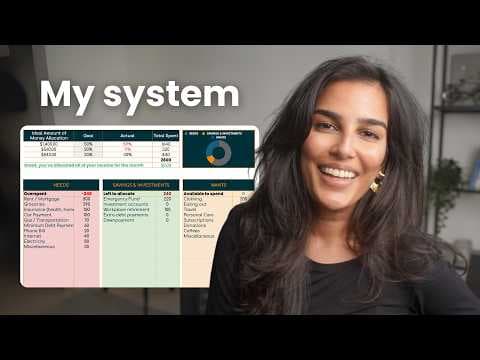
This video outlines seven essential steps to take immediately after receiving your paycheck to ensure financial stability and growth. It emphasizes understanding and managing baseline expenses, building quick solution and emergency funds, and strategically paying off high-interest debts.
-
The video also highlights the importance of maximizing employer benefits like retirement match accounts and investing early in tax-advantaged accounts to leverage compound growth. These steps are designed to reduce financial anxiety and increase control over one's finances.
-
Finally, the video stresses the need for a balanced approach to spending, allocating a portion of income to fund spending while prioritizing financial goals. This ensures a balance between enjoying the present and planning for the future, using money as a tool for a fulfilling life.
Read in Other Languages (beta)
Share This Summary 📚
Summarize YouTube Videos and Get Video Transcripts with 1-Click
Try YouTube Summary with ChatGPT & Claude or YouTube Transcript Generator
Explore More Summaries from Nischa 📚




Summarize YouTube Videos and Get Video Transcripts with 1-Click
Try YouTube Summary with ChatGPT & Claude or YouTube Transcript Generator