What Makes Christianity Different from Other Religions? | Illuminate Ep 3
TL;DR
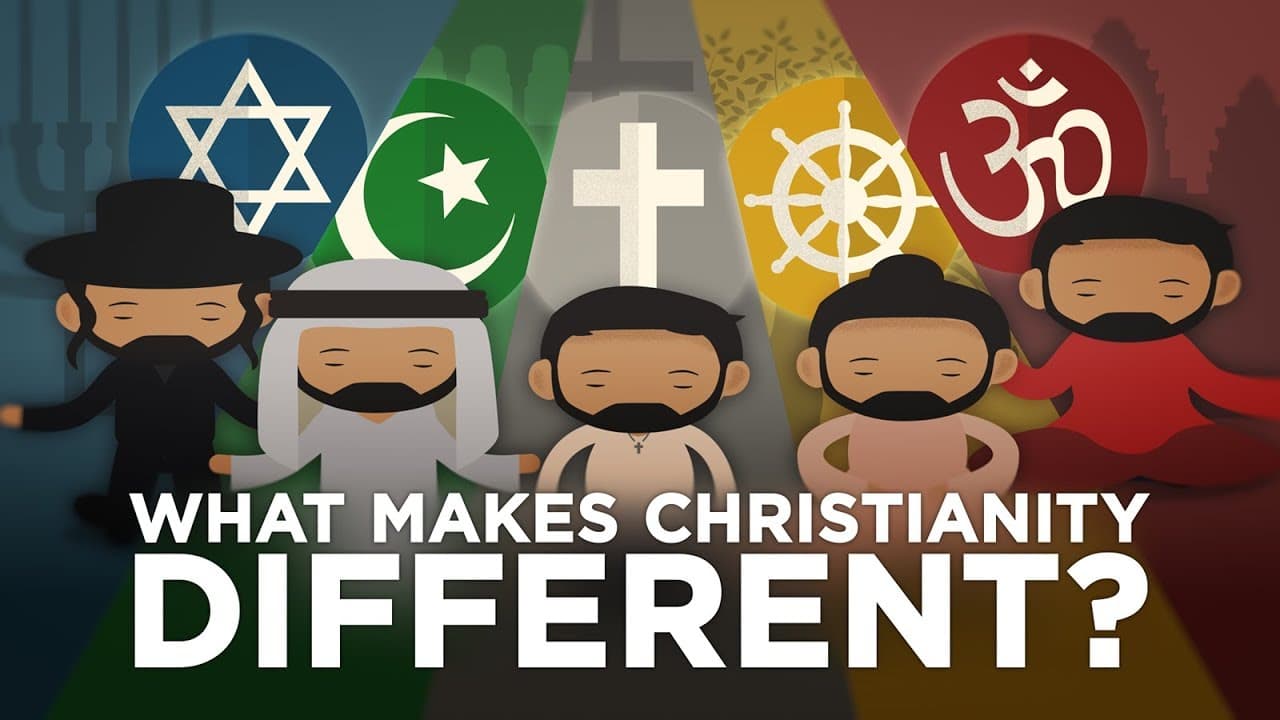
Christianity offers a different perspective from other religions, emphasizing forgiveness and grace rather than self-sacrifice or good deeds.
Transcript
Isn't Christianity at its core the same as other religions? If you could put it in a pot and boil it down wouldn't the remainder smell look and taste the same as Judaism, Islam, Buddhism, Hinduism and the rest? What is religion? Just as we refer to our minds as being thoughts and ideas beyond the electrical impulses of our physical brain. The major... Read More
Key Insights
- 👋 Christianity stands apart from other religions by emphasizing forgiveness and grace rather than self-sacrifice or good deeds.
- 🛟 Jesus presented Himself as the means for receiving full pardon and transformed lives, as opposed to the belief in human effort found in other religions.
- 🥰 The parable of the prodigal son challenges conventional views on repentance and atonement, highlighting God's unconditional love and forgiveness.
- 🍞 Jesus' claim to be the bread our souls starve for suggests a unique understanding of spiritual fulfillment and salvation.
Install to Summarize YouTube Videos and Get Transcripts
Explore YouTube Video Summarizer or Get YouTube Transcript Extractor
Questions & Answers
Q: How does Christianity differ from other religions in its core message?
Unlike other religions that emphasize self-sacrifice or good deeds for atonement, Christianity teaches that forgiveness and grace from God are freely given based on faith and surrender to Jesus.
Q: In the parable of the prodigal son, why does the father forgive and accept his wayward son without any conditions or repayment?
The story illustrates Jesus' belief that God's love and forgiveness are not dependent on our ability to repay our debts. Instead, God freely extends forgiveness and grace to those who genuinely repent and turn to Him.
Q: How does Jesus' view challenge the beliefs of Judaism, Islam, Hinduism, and Buddhism?
Jesus taught that it is impossible for humans to repay their moral debts to God through good deeds or self-sacrifice. He presented Himself as the only means for receiving full pardon and the power to transform our lives, contrasting with other religions' emphasis on human effort.
Q: What is unique about Jesus' claim of being God in human form?
While other religious founders claim to be guides leading to spiritual nourishment, Jesus claimed to be the very sustenance and fulfillment that our souls hunger for. He believed that only through a personal relationship with Him can our deepest spiritual needs be met.
Key Insights:
- Christianity stands apart from other religions by emphasizing forgiveness and grace rather than self-sacrifice or good deeds.
- Jesus presented Himself as the means for receiving full pardon and transformed lives, as opposed to the belief in human effort found in other religions.
- The parable of the prodigal son challenges conventional views on repentance and atonement, highlighting God's unconditional love and forgiveness.
- Jesus' claim to be the bread our souls starve for suggests a unique understanding of spiritual fulfillment and salvation.
- Christianity offers a perspective that frees individuals from the burden of trying to earn their salvation through their own actions.
Summary & Key Takeaways
-
Christianity, like other religions, believes in the existence of a spiritual essence (the soul) that needs guidance and nourishment.
-
A story told by Jesus portrays a father forgiving and accepting his wayward son, challenging conventional religious views on repentance and atonement.
-
Jesus taught that God's forgiveness and grace are freely given, and that faith and surrender to Him are the means to receive pardon and the power to live transformed lives.
Read in Other Languages (beta)
Share This Summary 📚
Summarize YouTube Videos and Get Video Transcripts with 1-Click
Try YouTube Summary with ChatGPT & Claude or YouTube Transcript Generator