Kayle Fleischauer Retrial Day 3 - Sgt Charles Coleman - St Croix Sheriff's Office - Sgt Brandie Hart
TL;DR
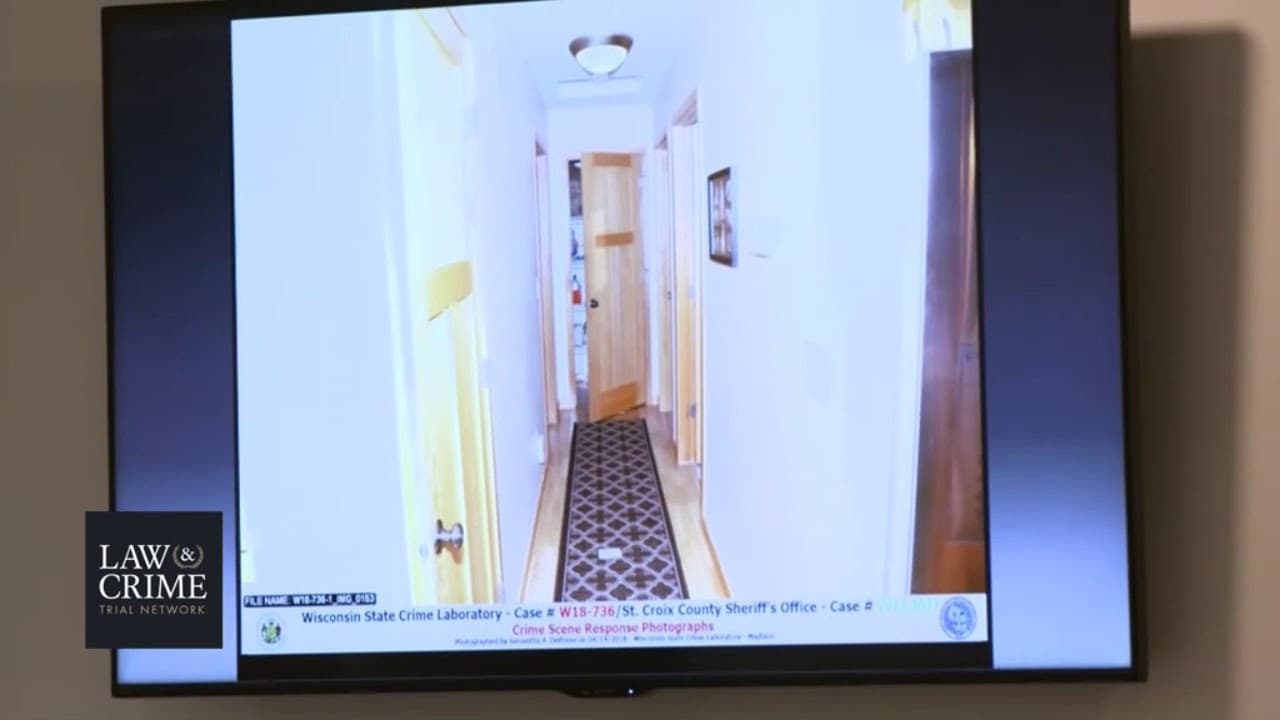
Sergeants provide detailed testimony on crime scene investigation, timeline, and evidence gathering in a suspicious shooting case.
Transcript
please be seated thank you good morning played no one of the jury and again thank you for all of your efforts this morning record should reflect again that we're back in session on state Wisconsin versus Calif light shower the appearances are as previously noted when we concluded yesterday afternoon sergeant Coleman was on the stand I last that he ... Read More
Key Insights
- 🏛️ Detailed evidence collection methods, including timeline creation and crime scene walkthroughs, are crucial in building a case.
- ❓ Proper documentation and secure storage of firearms are essential to maintain evidence integrity and establish suspects' habits.
- 🚄 Witness testimonies on crime scene details, bullet fragment recovery, and bedroom setups provide valuable context for understanding the case nuances.
- 👮 Officers' thorough investigative procedures, from evidence preservation to suspect interactions, contribute to a comprehensive investigation.
- 💦 The investigation's focus on securing evidence, analyzing crime scene layouts, and understanding suspect behavior highlights the meticulous nature of police work.
- 😨 Sensitive crimes investigations necessitate specialized training and protocol adherence to handle evidence and suspects with care.
- 😤 Collaborative efforts between detectives, patrol deputies, and forensic teams are vital in collecting evidence and building a solid case.
Install to Summarize YouTube Videos and Get Transcripts
Explore YouTube Video Summarizer or Get YouTube Transcript Extractor
Questions & Answers
Q: What techniques did the sergeant use to create a timeline for the crime scene investigation?
The sergeant reviewed reports, computer-aided dispatch reports, and officer-witness interactions to generate an accurate timeline of events.
Q: How did law enforcement secure the crime scene to prevent contamination and maintain evidence integrity?
Officers logged entries and exits, created an official crime log, and monitored the perimeter to ensure no unauthorized access, keeping the crime scene secure.
Q: Why was the location of the bullet fragment and gun placement in the home important to the investigation?
The precise placement of evidence helps establish key facts in the case, like the proximity of the bullet fragment to the victim and the suspect's access to the firearm.
Q: How did the investigator handle the firearms found in the suspect's home to establish secure storage procedures?
The investigator noted that all other firearms were stored securely, either in cases or holsters, underscoring the importance of proper storage practices and regular habits in firearm handling.
Summary & Key Takeaways
-
Sergeant outlines evidence collection process, including timeline creation and crime scene walkthrough.
-
Witnesses provide insight on suspect behavior, gun storage, and evidence preservation.
-
Detailed testimony covers bullet fragment recovery, bedroom arrangement, and officer interactions during investigation.
Read in Other Languages (beta)
Share This Summary 📚
Summarize YouTube Videos and Get Video Transcripts with 1-Click
Try YouTube Summary with ChatGPT & Claude or YouTube Transcript Generator
Explore More Summaries from Law&Crime Network 📚


Summarize YouTube Videos and Get Video Transcripts with 1-Click
Try YouTube Summary with ChatGPT & Claude or YouTube Transcript Generator