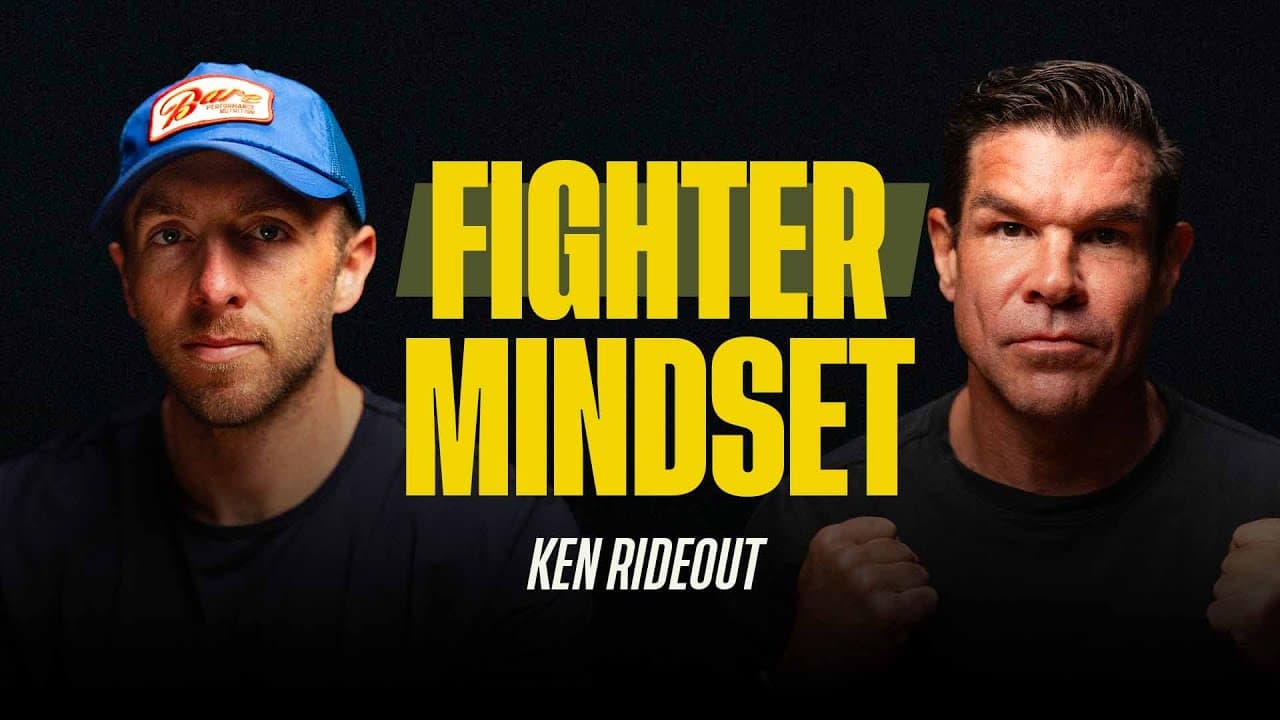
What Mindset Do Marathon Champions Like Ken Rideout Have?
TL;DR
Marathon champions like Ken Rideout believe mental toughness is the key to their success. They emphasize the irreplaceable feeling of accomplishment from endurance sports, the importance of discipline in training, and how personal struggles shape their competitive nature. Rideout also highlights the role of therapy in self-discovery and balancing personal goals with family responsibilities.
Transcript
money can't buy this money cannot buy the feeling of doing last man standing money cannot buy the feeling of running a 248 marathon in Buffalo like you know the expression a rich man has a million problems a sick man has one so to not be like using this body in this this life to like challenge yourself and experience these things you're like leavin... Read More
Key Insights
- Ken Rideout emphasizes the irreplaceable feeling of accomplishment in endurance sports, highlighting that money cannot buy such experiences.
- He reflects on the challenges of balancing personal goals with family life, acknowledging past selfishness and striving for improvement.
- Rideout shares his journey from a chaotic upbringing to becoming a world-class marathoner, emphasizing the importance of mental toughness.
- He discusses the significance of therapy in gaining insights into personal behavior and improving relationships.
- The podcast highlights the competitive nature of endurance sports and the mindset required to excel, likening it to a fight.
- Rideout shares his experience in the Gobi Ultramarathon, emphasizing the importance of adaptability and resilience in ultra-endurance events.
- He reflects on the balance between objective and subjective goals, noting the comfort of measurable outcomes in sports.
- The conversation touches on the impact of upbringing on work ethic and the importance of finding personal satisfaction beyond financial success.
Install to Summarize YouTube Videos and Get Transcripts
Explore YouTube Video Summarizer or Get YouTube Transcript Extractor
Questions & Answers
Q: What is Ken Rideout's perspective on money and happiness?
Ken Rideout believes that while money can provide comfort, it does not equate to happiness. He emphasizes that true satisfaction comes from personal achievements and experiences, such as completing endurance events, which money cannot buy. He shares that personal growth and happiness are more about mindset and less about financial status.
Q: How does Ken Rideout describe his competitive nature?
Ken Rideout describes his competitive nature as akin to a fighter's mindset. He believes in creating challenges and adversaries, even if imaginary, to push himself to excel. This mindset is rooted in his past experiences and insecurities, driving him to prove his toughness through endurance sports.
Q: What role does therapy play in Ken Rideout's life?
Therapy plays a significant role in Ken Rideout's life by providing insights into his behavior and helping him improve personal relationships. He credits therapy with helping him understand his past actions and develop strategies for better emotional regulation and communication, particularly with his family.
Q: How does Ken Rideout balance objective and subjective goals?
Ken Rideout finds comfort in objective goals, like race times, because they provide clear metrics of success. However, he acknowledges the importance of subjective goals, such as being a good husband and father, which require ongoing effort and personal reflection. He strives to balance both types of goals in his life.
Q: What challenges did Ken Rideout face in the Gobi Ultramarathon?
In the Gobi Ultramarathon, Ken Rideout faced numerous challenges, including harsh terrain, physical discomfort, and equipment failures. He had to adapt on the fly, showcasing resilience and problem-solving skills. Despite these challenges, he emerged victorious, highlighting the importance of mental toughness in ultra-endurance events.
Q: How did Ken Rideout's upbringing influence his work ethic?
Ken Rideout's challenging upbringing instilled a strong work ethic in him. Despite lacking role models, he was driven by a desire to escape his environment and achieve success. His experiences taught him the value of hard work and perseverance, which he applies in both his athletic and professional endeavors.
Q: What is Ken Rideout's view on personal satisfaction and success?
Ken Rideout believes that personal satisfaction and success are not solely determined by financial achievements. He values personal experiences and achievements, such as completing endurance events, as they provide a sense of fulfillment that money cannot. He emphasizes the importance of finding happiness in personal growth and accomplishments.
Q: How does Ken Rideout approach failure and defeat?
Ken Rideout approaches failure and defeat as opportunities for learning and growth. He acknowledges the emotional impact of setbacks but focuses on understanding what went wrong and how to improve. This mindset allows him to bounce back stronger and continue striving for success in his endeavors.
Summary & Key Takeaways
-
Ken Rideout discusses his journey from a challenging upbringing to becoming a world-class marathoner, emphasizing mental toughness. He shares insights on balancing personal goals with family life, acknowledging past selfishness and the importance of therapy in personal growth.
-
The podcast explores the competitive nature of endurance sports, with Rideout likening it to a fight. He shares his experience in the Gobi Ultramarathon, highlighting adaptability and resilience, and reflects on the balance between objective and subjective goals.
-
Rideout emphasizes the irreplaceable feeling of accomplishment in endurance sports, noting that money cannot buy such experiences. The conversation also touches on the impact of upbringing on work ethic and finding personal satisfaction beyond financial success.
Read in Other Languages (beta)
Share This Summary 📚
Summarize YouTube Videos and Get Video Transcripts with 1-Click
Try YouTube Summary with ChatGPT & Claude or YouTube Transcript Generator
Explore More Summaries from The Nick Bare Podcast 📚
Summarize YouTube Videos and Get Video Transcripts with 1-Click
Try YouTube Summary with ChatGPT & Claude or YouTube Transcript Generator