How Do Indigenous Communities Enhance Sustainability?
TL;DR
Indigenous communities significantly enhance sustainable development through biodiversity conservation and responsible resource management. They face threats from activities like deforestation and illegal mining, which jeopardize their lands and cultures. Social workers can empower these communities by advocating for their rights and promoting cultural preservation, ensuring their vital role in sustainability continues.
Transcript
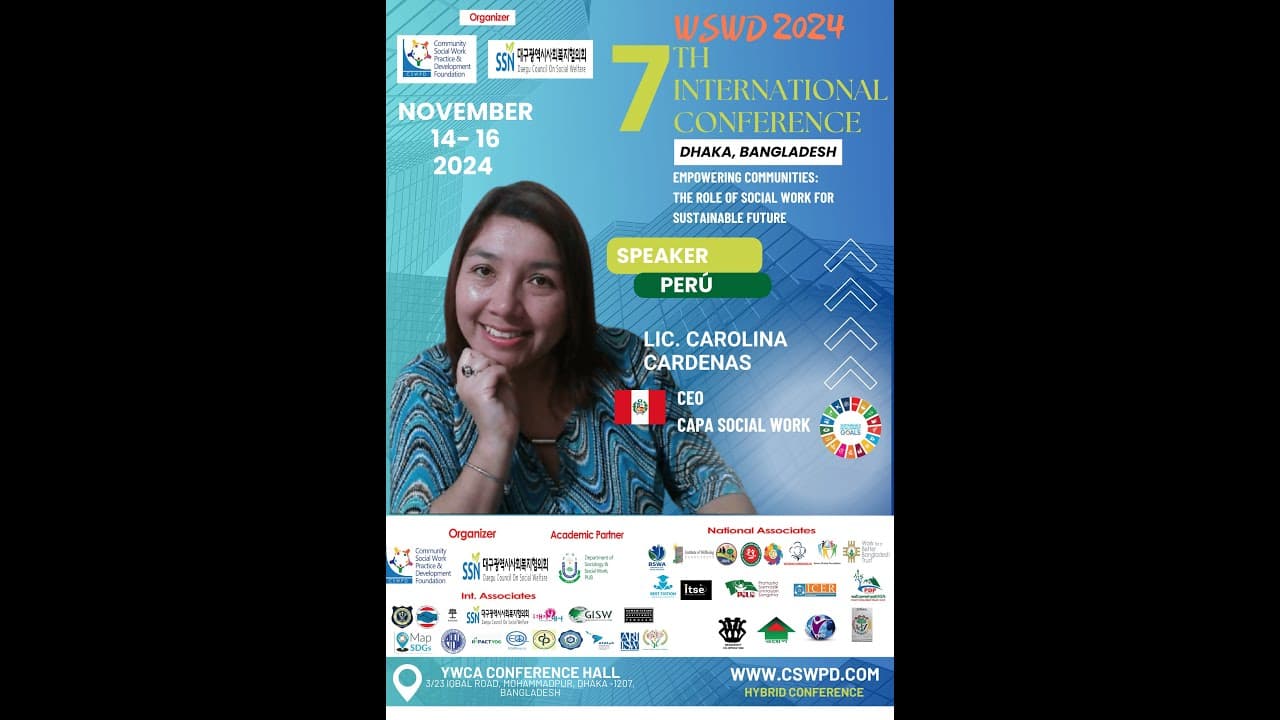
e good morning everyone thank you so much to the organizer the community Social Work practice and development foundation and Theo Council of social welfare well for this opportunity to present my work and the my team is how do indigenous communities contribute to sustainable development and the role of the social worker in the proc well this is me ... Read More
Key Insights
- Indigenous communities are vital to sustainable development due to their deep connection with nature, which helps in conserving biodiversity and managing natural resources sustainably.
- The United Nations Declaration on the Rights of Indigenous Peoples in 2007 highlights the importance of protecting indigenous rights globally, with 370 million indigenous people across 90 countries.
- Deforestation and illegal activities like logging and mining severely threaten indigenous lands, leading to loss of biodiversity and cultural heritage.
- Indigenous communities contribute to soil conservation, water management, and disaster risk reduction, which are essential for sustainable agriculture and environmental stability.
- Social workers play a critical role in empowering indigenous communities by advocating for their rights, providing emotional support, and promoting cultural preservation.
- Promoting community-based cultural tourism and sustainable business practices can generate income for indigenous communities while respecting their cultural and environmental values.
- Education and awareness about indigenous rights and their relationship with ecosystems are crucial for fostering sustainable development and cultural preservation.
- Collaborative efforts among NGOs, government institutions, and academics are necessary to address socio-economic, health, environmental, and cultural challenges faced by indigenous populations.
Install to Summarize YouTube Videos and Get Transcripts
Explore YouTube Video Summarizer or Get YouTube Transcript Extractor
Questions & Answers
Q: How do indigenous communities contribute to sustainable development?
Indigenous communities contribute to sustainable development through their deep-rooted connection with nature, which helps in conserving biodiversity, managing natural resources sustainably, and reducing disaster risk. They practice sustainable agriculture and water management, preserving ecosystems that are vital for environmental stability.
Q: What challenges do indigenous communities face in preserving their lands?
Indigenous communities face significant challenges in preserving their lands due to deforestation, illegal logging, mining, and other activities that threaten biodiversity and cultural heritage. These activities lead to environmental degradation, loss of traditional lands, and displacement of indigenous populations, impacting their cultural identity and way of life.
Q: What role do social workers play in supporting indigenous communities?
Social workers play a crucial role in supporting indigenous communities by advocating for their civil rights, providing emotional support, and promoting cultural preservation. They help empower these communities by facilitating education, economic opportunities, and sustainable development practices, ensuring their active participation in societal growth.
Q: How can sustainable business practices benefit indigenous communities?
Sustainable business practices can benefit indigenous communities by generating income through environmentally and culturally respectful initiatives. Community-based cultural tourism and businesses that promote indigenous art and culture can create economic opportunities while preserving cultural heritage and promoting environmental conservation.
Q: Why is education important for the empowerment of indigenous communities?
Education is crucial for the empowerment of indigenous communities as it raises awareness about their rights and the importance of their relationship with ecosystems. It fosters understanding and appreciation of indigenous cultures, promoting their inclusion in sustainable development initiatives and enabling them to advocate for their rights effectively.
Q: What collaborative efforts are needed to support indigenous communities?
Collaborative efforts involving NGOs, government institutions, academics, and other stakeholders are necessary to address the socio-economic, health, environmental, and cultural challenges faced by indigenous communities. These collaborations can foster sustainable development, protect indigenous rights, and promote cultural preservation.
Q: How does cultural preservation contribute to sustainable development?
Cultural preservation contributes to sustainable development by maintaining the diverse cultural heritage and traditional knowledge of indigenous communities. This knowledge is essential for environmental conservation, sustainable resource management, and fostering social cohesion, which are critical components of sustainable development.
Q: What are the recommendations for enhancing the role of indigenous communities in sustainable development?
Recommendations for enhancing the role of indigenous communities in sustainable development include integrating indigenous knowledge into educational curricula, supporting sustainable business initiatives, advocating for indigenous rights, and fostering collaborative efforts among various stakeholders to address environmental, social, and economic challenges.
Summary & Key Takeaways
-
Indigenous communities are integral to sustainable development due to their unique relationship with nature, which aids in biodiversity conservation and resource management. However, they face challenges from deforestation and illegal activities threatening their lands and cultures.
-
Social workers have a significant role in supporting indigenous communities by advocating for their rights, providing emotional support, and promoting cultural preservation. They help empower these communities to contribute to sustainable development effectively.
-
Collaborative efforts involving NGOs, government institutions, and academics are essential to address the socio-economic, health, environmental, and cultural challenges faced by indigenous populations, ensuring their inclusion in sustainable development initiatives.
Read in Other Languages (beta)
Share This Summary 📚
Summarize YouTube Videos and Get Video Transcripts with 1-Click
Try YouTube Summary with ChatGPT & Claude or YouTube Transcript Generator