The Cat That (Maybe) Ate an Entire Species
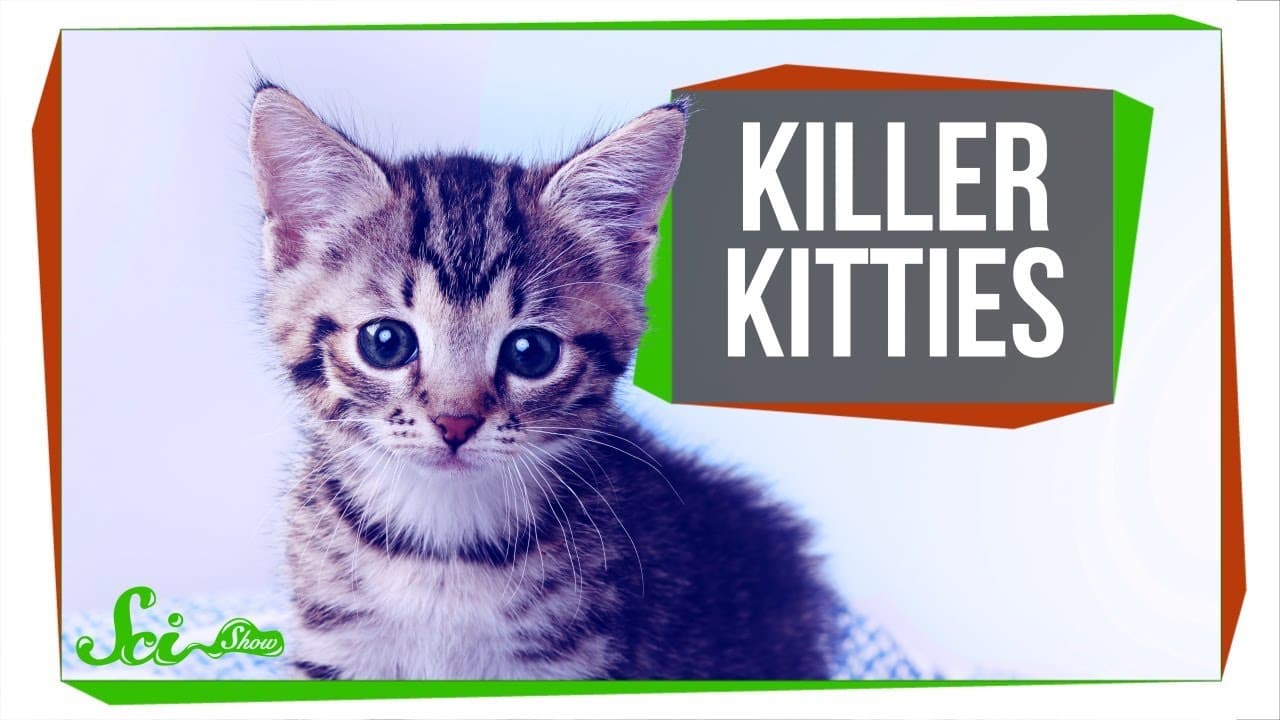
TL;DR
Cats in New Zealand, like Tibbles, caused species extinction due to predation, highlighting the impact of invasive predators.
Transcript
if you've ever had a cat that lives outdoors then you probably know the Grizzly if well-intentioned gifts they can be found of giving and if you think about all the cats loose in a city or a country that quickly adds up to a lot of dead wildlife in fact many conservationists are concerned that if left unchecked the world's cat population could eat ... Read More
Key Insights
- 😺 Tibbles, a lighthouse cat, inadvertently caused the extinction of the flightless Lyle's Wren on Stephens Island.
- 🇳🇿 Invasive predators like rats, cats, and stoats introduced by humans played a significant role in the decline of native bird species in New Zealand.
- 🐦 The rapid extinction of the Lyle's Wren underscored the vulnerable nature of flightless birds in the presence of invasive predators.
- ❓ The scientific community's interest in collecting rare specimens indirectly contributed to the extinction of the Lyle's Wren.
- ❓ Lessons from the extinction of the Lyle's Wren emphasize the importance of conservation efforts and understanding the impact of introduced species.
- 🥇 The value placed on rare specimens like the Lyle's Wren incentivized collectors to hunt and contribute to their decline.
- 🛟 The story of the Lyle's Wren serves as a cautionary tale about the devastating impact of invasive species on vulnerable wildlife populations.
Install to Summarize YouTube Videos and Get Transcripts
Explore YouTube Video Summarizer or Get YouTube Transcript Extractor
Questions & Answers
Q: How did Tibbles' actions lead to the extinction of the Lyle's Wren?
Tibbles, by preying on flightless birds like the Lyle's Wren, contributed to their rapid decline and eventual extinction due to a lack of natural defenses against feline predators.
Q: What role did invasive predators play in the decline of native bird species in New Zealand?
Invasive predators like rats, cats, and stoats introduced by humans in New Zealand outcompeted or preyed on native bird species, leading to the decline and extinction of many vulnerable populations.
Q: How did the scientific community contribute to the extinction of the Lyle's Wren?
While scientists were eager to study and collect specimens of the rare Lyle's Wren, their actions indirectly fueled the bird's extinction by increasing its value and incentivizing collectors to hunt them.
Q: What lessons can we learn from the extinction of the Lyle's Wren and other native species in New Zealand?
The story of the Lyle's Wren highlights the importance of understanding the impact of introducing invasive species and the need for conservation efforts to protect vulnerable wildlife populations.
Summary & Key Takeaways
-
Tibbles, a lighthouse cat on Stephens Island, brought scientists unique flightless bird specimens, leading to the extinction of the Lyle's Wren.
-
Introduced rats, cats, and other predators in New Zealand contributed to the decline and extinction of native bird species.
-
The rapid extinction of the Lyle's Wren underscored the devastating impact of invasive species on vulnerable wildlife populations.
Read in Other Languages (beta)
Share This Summary 📚
Summarize YouTube Videos and Get Video Transcripts with 1-Click
Try YouTube Summary with ChatGPT & Claude or YouTube Transcript Generator
Explore More Summaries from SciShow 📚


Summarize YouTube Videos and Get Video Transcripts with 1-Click
Try YouTube Summary with ChatGPT & Claude or YouTube Transcript Generator