How to Achieve Radical Open-Mindedness
TL;DR
Radical open-mindedness involves questioning deeply held beliefs and assumptions to achieve true personal freedom. By acknowledging the limitations and biases of our knowledge, we can break free from dogmas that limit our potential. This process requires embracing a state of 'not knowing,' which is counterintuitive but ultimately liberating and essential for advanced personal development.
Transcript
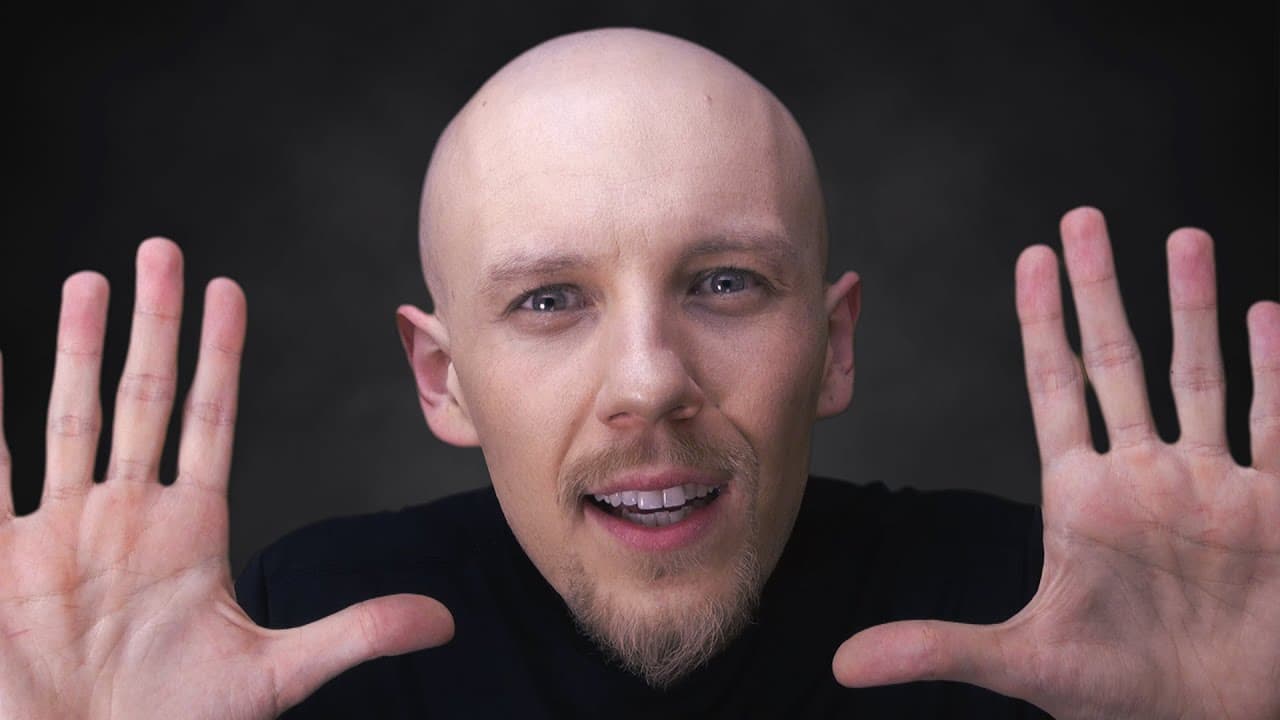
hey this is Leo for actualised org and in this episode I'm going to be talking about a very important concept that I call radical open-mindedness I'm going to take you through a live exercise to open up your mind and show you how to break free of dogma right off the bat I need to give you a warning this is an advanced episode for very open-minded p... Read More
Key Insights
- Radical open-mindedness is essential for breaking free from limiting dogmas and beliefs.
- Most knowledge is second-hand and based on faith rather than direct experience.
- Historical and cultural contexts heavily influence our beliefs and values.
- Mainstream culture and science may contain biases that skew our understanding of reality.
- True 'not knowing' is a powerful state that allows for deeper personal and spiritual growth.
- The mind tends to deceive itself, creating a false sense of certainty about beliefs.
- Embracing uncertainty and questioning assumptions can lead to profound personal transformation.
- Achieving radical open-mindedness requires ongoing effort to challenge and expand one’s worldview.
Install to Summarize YouTube Videos and Get Transcripts
Explore YouTube Video Summarizer or Get YouTube Transcript Extractor
Questions & Answers
Q: How can I achieve radical open-mindedness?
To achieve radical open-mindedness, start by questioning your deeply held beliefs and acknowledging that most of your knowledge is second-hand and influenced by cultural and historical contexts. Embrace a state of 'not knowing,' which involves letting go of the need for certainty and being open to new possibilities. This requires ongoing effort to challenge and expand your worldview, allowing for profound personal and spiritual growth.
Q: Why is radical open-mindedness important for personal development?
Radical open-mindedness is crucial for personal development because it enables individuals to break free from limiting dogmas and beliefs that restrict their potential. By questioning assumptions and embracing uncertainty, people can unlock deeper insights into their true nature and the nature of reality. This openness fosters personal freedom and empowers individuals to pursue advanced spiritual and personal growth, leading to transformative experiences and enlightenment.
Q: What is the role of 'not knowing' in radical open-mindedness?
'Not knowing' is a central concept in radical open-mindedness, where individuals let go of the need for certainty and remain open to new possibilities. This state challenges the mind's tendency to deceive itself with false certainties, allowing for deeper personal and spiritual exploration. Embracing 'not knowing' is counterintuitive but ultimately empowering, as it frees individuals from rigid beliefs and opens the door to profound transformation and enlightenment.
Q: How does cultural context influence our beliefs and values?
Cultural context profoundly shapes our beliefs and values by imprinting norms and assumptions during our upbringing. The society and time in which we live dictate our views on religion, politics, and social issues, often without our conscious awareness. By recognizing this influence, individuals can begin to question and challenge these culturally ingrained beliefs, opening the path to radical open-mindedness and personal growth.
Q: What are the biases present in mainstream culture and science?
Mainstream culture and science may contain various biases, including political, financial, and ego-driven biases, as well as groupthink. These biases can skew our understanding of reality and limit our ability to see beyond conventional beliefs. By acknowledging these biases, individuals can begin to question the assumptions they hold and explore alternative perspectives, fostering radical open-mindedness and deeper personal insights.
Q: How can embracing uncertainty lead to personal transformation?
Embracing uncertainty allows individuals to question their assumptions and let go of rigid beliefs, creating space for new insights and growth. This openness to 'not knowing' fosters a deeper understanding of oneself and the nature of reality, leading to transformative experiences and personal freedom. By continually challenging and expanding one's worldview, individuals can achieve radical open-mindedness and pursue advanced spiritual and personal development work.
Q: What is the mind's tendency to deceive itself?
The mind has a tendency to deceive itself by creating a false sense of certainty about beliefs and assumptions. This self-deception occurs when individuals ignore the possibility of being wrong or hold onto beliefs despite evidence to the contrary. By recognizing this tendency, individuals can begin to question their assumptions and embrace a state of 'not knowing,' which is crucial for achieving radical open-mindedness and personal growth.
Q: How can I question my deeply held beliefs effectively?
To question deeply held beliefs effectively, start by acknowledging that most of your knowledge is second-hand and influenced by cultural and historical contexts. Reflect on the biases present in mainstream culture and science, and consider alternative perspectives. Embrace a state of 'not knowing,' where you let go of the need for certainty and remain open to new possibilities. This process requires ongoing effort to challenge and expand your worldview, fostering radical open-mindedness and personal growth.
Summary & Key Takeaways
-
Radical open-mindedness challenges deeply held beliefs and assumptions, promoting personal freedom and growth. By recognizing that most of our knowledge is second-hand and culturally influenced, we can begin to question and dismantle limiting dogmas. This process involves embracing a state of 'not knowing,' which, although counterintuitive, is crucial for advanced personal development and enlightenment.
-
The video emphasizes the importance of questioning the biases present in mainstream culture and science. By acknowledging these biases and our tendency to deceive ourselves, we can start to break free from false certainties. This openness to uncertainty allows for profound personal transformation and the pursuit of deeper truths about existence and identity.
-
Achieving radical open-mindedness requires sustained effort to challenge and expand one’s worldview. By letting go of the need for certainty and embracing a state of 'not knowing,' individuals can unlock their full potential and pursue advanced spiritual and personal development work. This approach leads to true liberation and the discovery of profound insights beyond conventional beliefs.
Read in Other Languages (beta)
Share This Summary 📚
Summarize YouTube Videos and Get Video Transcripts with 1-Click
Try YouTube Summary with ChatGPT & Claude or YouTube Transcript Generator
Explore More Summaries from Actualized.org 📚



Summarize YouTube Videos and Get Video Transcripts with 1-Click
Try YouTube Summary with ChatGPT & Claude or YouTube Transcript Generator