Millions Of Longhorn Cattle In America And Africa Are Raised This Way - Cattle Farming
TL;DR
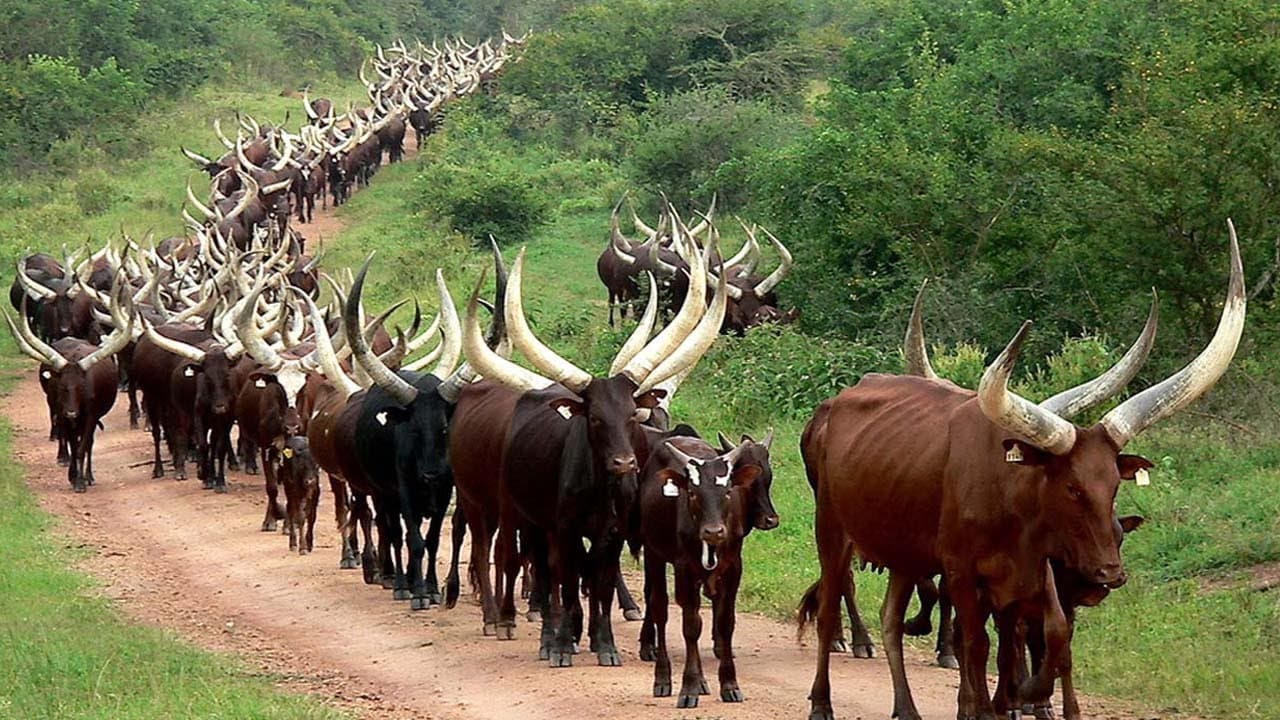
Longhorn cattle are significant in both American and African agriculture.
Transcript
hello my friends in addition to millions of cattle of popular breeds such as Angus Hereford Holstein or naguni currently many cattle farms in the United States and some African countries also raise Longhorn cattle for the purpose of harvesting meat milk or raising for conservation in recent years the most famous Longhorn cattle breeds can... Read More
Key Insights
- Longhorn cattle, including breeds like Texas Longhorn and Angola cattle, are raised for meat, milk, and conservation purposes across the United States and Africa.
- The Angola Longhorn cattle are predominantly found in East Africa, with Uganda hosting the largest concentration of these cattle.
- In the U.S., Texas Longhorn cattle are valued for their historical and cultural significance, representing the heritage of the American West.
- East African farmers benefit from abundant natural food sources, allowing cattle to graze freely without traveling far from their farms.
- The Zebu breed remains the most popular cattle breed in Africa, significantly outnumbering Longhorn cattle.
- Texas Longhorn cattle in the U.S. are often raised for both meat production and as a symbol of the frontier era.
- Australian farmers face significant challenges from parrot species like the Galah, which cause considerable damage to crops.
- Efforts to control parrot populations in Australia include culling and trapping, although these measures must comply with wildlife laws.
Install to Summarize YouTube Videos and Get Transcripts
Explore YouTube Video Summarizer or Get YouTube Transcript Extractor
Questions & Answers
Q: What are the primary purposes of raising Longhorn cattle in the U.S. and Africa?
Longhorn cattle are raised for meat, milk, and conservation purposes in both the U.S. and Africa. In the United States, Texas Longhorn cattle are particularly valued for their historical and cultural significance, representing the heritage of the American West. In Africa, Angola Longhorn cattle are raised mainly for meat production and cultural importance.
Q: How do East African farmers manage their Longhorn cattle herds?
East African farmers manage their Longhorn cattle herds by allowing them to graze freely in pastures close to the farm, often within three miles. This practice is facilitated by the abundance of natural food sources in the region, which minimizes the need for extensive travel and helps farmers easily control their livestock.
Q: Why are Texas Longhorn cattle significant in the United States?
Texas Longhorn cattle hold significant cultural and historical value in the United States. They are seen as a symbol of the frontier era and the heritage of the American West. Many ranches raise them to preserve this cultural legacy, in addition to their use in meat production and crossbreeding.
Q: What challenges do Australian farmers face with parrots?
Australian farmers face significant challenges from parrot species like the Galah, which cause damage to crops such as grains, fruits, and nuts. Parrots can form large flocks that devastate fields during feeding, and their presence often leads to noise pollution and sanitation issues due to droppings.
Q: How do African farmers ensure water availability for their Longhorn cattle?
African farmers ensure water availability for their Longhorn cattle by building rainwater tanks and digging small canals to channel water into grazing pastures. This infrastructure supports the cattle's hydration needs, especially in regions where natural water sources might be limited or seasonal.
Q: What is the impact of parrot species on Australian agriculture?
Parrot species, particularly the Galah, have a significant impact on Australian agriculture, causing an estimated $173 million in crop damage annually. They feed on grains and seeds, often forming large flocks that can devastate fields. Control measures such as culling and trapping are employed to manage their populations.
Q: How do Texas Longhorn cattle contribute to meat production in the U.S.?
In the U.S., Texas Longhorn cattle contribute to meat production, although only about 45,000 are slaughtered annually. Meat extraction is typically performed on mature cattle, while calves are kept until they reach at least 18 months old. This breed is also raised for crossbreeding and cultural preservation.
Q: What measures are taken to control parrot populations in Australia?
To control parrot populations in Australia, measures such as culling, trapping, and scaring are implemented. These actions must comply with Australian Wildlife laws to ensure humane treatment. Despite these efforts, parrots remain a persistent challenge for farmers, particularly in regions with high parrot populations.
Summary & Key Takeaways
-
Longhorn cattle are raised across the United States and Africa, serving various purposes such as meat production, milk, and conservation. In Africa, Angola Longhorn cattle are particularly prevalent in East Africa, while Texas Longhorn cattle in the U.S. are appreciated for their cultural significance.
-
In East Africa, natural food sources allow Longhorn cattle to graze freely, minimizing the need for extensive travel. Despite their cultural value, Longhorns are less numerous than the Zebu breed in Africa. In the U.S., Texas Longhorns are raised for meat and as a symbol of the American West.
-
Australian farmers struggle with parrot species like the Galah, which damage crops significantly. Control measures, including culling and trapping, are implemented according to wildlife laws. While parrots impact agriculture, their effect is minor compared to other pests like feral pigs and rabbits.
Read in Other Languages (beta)
Share This Summary 📚
Summarize YouTube Videos and Get Video Transcripts with 1-Click
Try YouTube Summary with ChatGPT & Claude or YouTube Transcript Generator
Explore More Summaries from Tony 98 - Discovery 📚




Summarize YouTube Videos and Get Video Transcripts with 1-Click
Try YouTube Summary with ChatGPT & Claude or YouTube Transcript Generator