Human Traits That Disappeared With Evolution
TL;DR
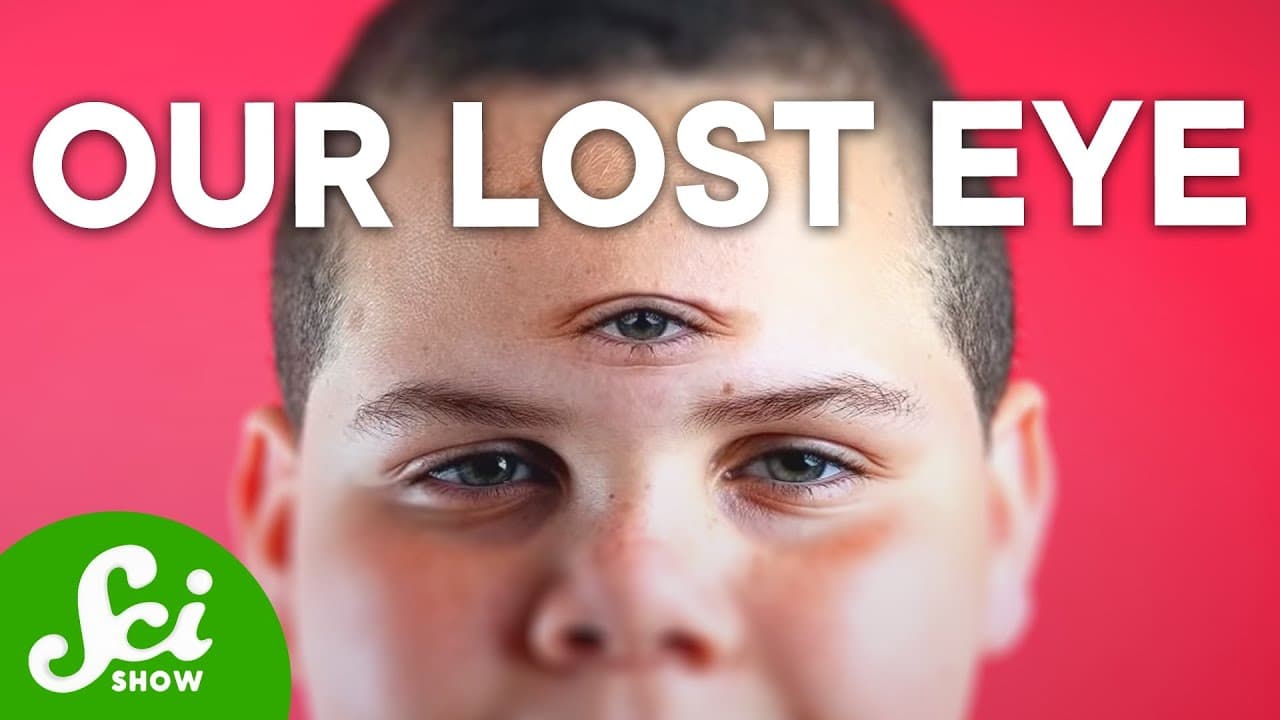
Evolutionary process led to humans losing once advantageous traits like third eyes and electroreception.
Transcript
♪♪♪ A common misconception about natural selection, and evolution as a whole, is that it’s essentially a long chain of progress, adding on new features over and over again. But evolution doesn’t always add stuff. Sometimes it takes away traits too. That’s because natural selection only favors traits that help an animal reproduce, or survive until i... Read More
Key Insights
- 💨 Evolution doesn't always add traits; it can take away traits if they are not beneficial for survival or reproduction.
- 😃 The disappearance of traits like the pineal eye and electroreception in humans can be attributed to mutations and lack of selective pressure.
- 😚 Humans might still be in the process of losing genes associated with the Jacobsen's organ, showing ongoing evolutionary changes.
Install to Summarize YouTube Videos and Get Transcripts
Explore YouTube Video Summarizer or Get YouTube Transcript Extractor
Questions & Answers
Q: Why did humans lose the ability to use their pineal eye for daylight sensing?
The pineal eye gradually disappeared as other mechanisms in the animals' "normal" eyes took over the duty of sensing daylight length and seasonal change, making the organ less adaptive.
Q: Why did humans lose the ability of electroreception?
Electroreception might have been lost when our ancestors transitioned to living on land, as it might have not worked as effectively in air compared to water, leading to its disappearance due to lack of selective advantages.
Q: What is the function of Jacobsen's organ, and why did humans lose the ability to sense pheromones?
Jacobsen's organ is used for sensing odors and pheromones, but in humans, the organ is non-functional due to inactivation of genes around 23 million years ago, possibly as visual cues became more important during social and reproductive activities.
Summary & Key Takeaways
-
Evolution doesn't always add traits; it can take them away if not beneficial for survival or reproduction.
-
Humans have lost abilities like the pineal eye used for daylight sensing, electroreception, and Jacobsen's organ for pheromone detection.
-
Mutations and lack of selective pressure lead to the disappearance of traits that aren't vital for survival.
Read in Other Languages (beta)
Share This Summary 📚
Summarize YouTube Videos and Get Video Transcripts with 1-Click
Try YouTube Summary with ChatGPT & Claude or YouTube Transcript Generator
Explore More Summaries from SciShow 📚
Summarize YouTube Videos and Get Video Transcripts with 1-Click
Try YouTube Summary with ChatGPT & Claude or YouTube Transcript Generator