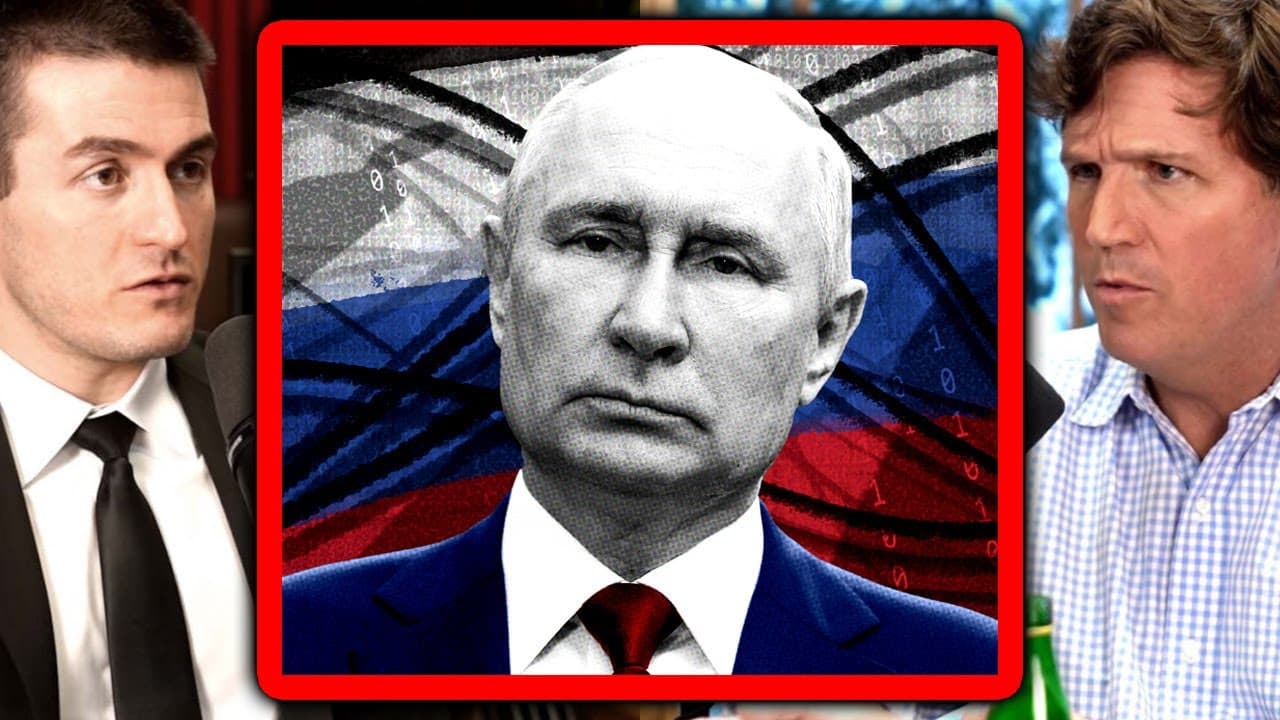
Why Russia didn't join NATO | Tucker Carlson and Lex Fridman
TL;DR
Russia's attempt to join NATO in 2000 and recent events surrounding Ukraine raise questions about NATO's purpose and potential motivations for conflict.
Transcript
Russia tried to join nato in 2000 that's a that's a fact okay they tried to join NATO so just think about this NATO exists to keep Russia contained MH it exists as a Bull workk against Russian territorial expansion and whether or not Russia it has any territorial Ambitions is another question like why would it it's the largest land mass in the worl... Read More
Key Insights
- 🤨 Russia's attempt to join NATO in 2000 raises questions about NATO's purpose and potential shifts in geopolitical dynamics.
- 🇷🇺 The rejection of Russia's bid and subsequent events highlight the complexities and potential motivations behind conflicts involving NATO and Russia.
- 🖐️ Joe Biden's call for Ukraine to join NATO and Russia's subsequent invasion suggest provocations and competing interests at play.
- ❓ The motivations for conflict extend beyond ideological differences and may involve economic and political considerations.
- ❓ The potential enrichment of certain individuals and industries through conflicts should not be overlooked.
- ❓ Critically analyzing the actions and policies of political leaders is essential to understanding the underlying dynamics of geopolitical tensions.
- 🇷🇺 The role of NATO and its interactions with Russia warrant further exploration and discussion.
Install to Summarize YouTube Videos and Get Transcripts
Explore YouTube Video Summarizer or Get YouTube Transcript Extractor
Questions & Answers
Q: Why would Russia attempt to join NATO if it already poses a significant landmass and power?
Russia's attempt to join NATO might have been an attempt to redefine its relationship with Western powers and solidify its role as a global player. It could have also aimed to weaken NATO from within.
Q: Why did NATO reject Russia's bid to join in 2000?
NATO's rejection of Russia's bid could be attributed to concerns about Russian influence and potential threats to NATO's unity and mission. Russia's history of aggression and differing political ideologies may have contributed to the decision.
Q: What were the motivations behind Joe Biden's call for Ukraine to join NATO?
Joe Biden's call to include Ukraine in NATO might have been driven by a desire to counter Russia's influence in the region and support Ukraine's sovereignty. However, it also raised tensions and provoked a response from Russia.
Q: What interests could be served by provoking conflict with Russia?
Provoking conflict with Russia could serve various interests, including the military-industrial complex, which benefits from arms sales and wartime expenditures. Political actors may also use conflict to rally domestic support or divert attention from other issues.
Summary & Key Takeaways
-
Russia attempted to join NATO in 2000, which would have signaled the accomplishment of NATO's mission to contain Russia's territorial expansion.
-
The rejection of Russia's bid by NATO was surprising, leading Russia to approach the next US president, George W. Bush, with a proposal to align missile deals and designate Iran as a common enemy.
-
Joe Biden's call for Ukraine to join NATO and subsequent Russian invasion highlight the potential provocations and motivations behind conflicts.
Read in Other Languages (beta)
Share This Summary 📚
Summarize YouTube Videos and Get Video Transcripts with 1-Click
Try YouTube Summary with ChatGPT & Claude or YouTube Transcript Generator
Explore More Summaries from Lex Clips 📚



Summarize YouTube Videos and Get Video Transcripts with 1-Click
Try YouTube Summary with ChatGPT & Claude or YouTube Transcript Generator