Will This be the Next Great Depression?
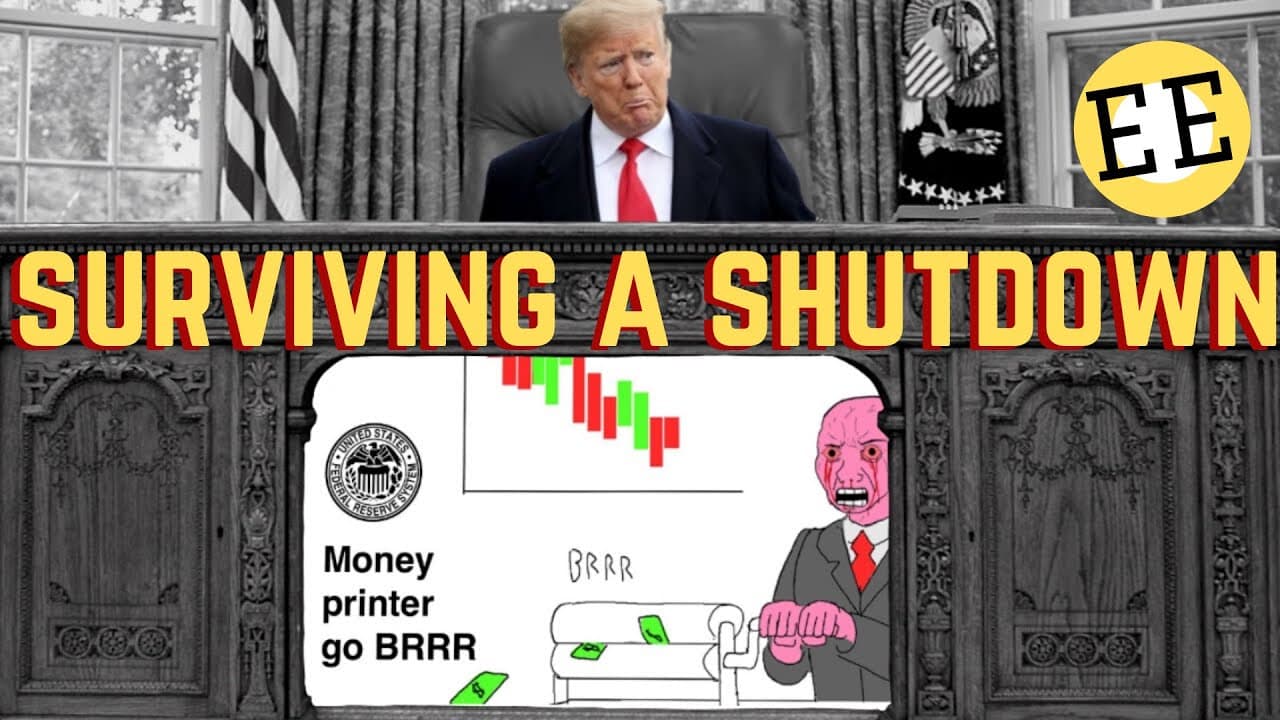
TL;DR
The video discusses recurring debt crises leading to economic downturns.
Transcript
in 1929 years of wild debt fueled speculation over company stocks came to a halt with the worst economic disaster in history in 2001 years of wild debt fueled speculation over technology companies that were apparently going to revolutionize the future came to a halt when most of them were shown to be worthless and in 2008 years of debt fueled specu... Read More
Key Insights
- The video compares past economic downturns with the current crisis, highlighting the recurring theme of debt-fueled speculation leading to market crashes.
- The current economic downturn is described as the fastest 30% market decline in US history, exacerbated by government lockdowns and a pandemic.
- Debt is categorized into 'good' and 'bad' debt, with the latter being a significant contributor to economic recessions.
- Business debt, once considered a safe form of borrowing, is now seen as risky due to relaxed lending standards and increased borrowing.
- The video highlights how countries like Australia have seen property prices surge due to debt-driven growth rather than genuine economic growth.
- Government stimulus measures, while necessary, may lead to a phenomenon called 'crowding out,' which limits the availability of loans for businesses and individuals.
- Quantitative easing is discussed as a method to avoid crowding out by printing more money, though it negatively impacts savers through inflation.
- The video concludes that the current crisis is largely self-inflicted due to poor financial decisions and excessive borrowing, with potential for a severe economic downturn.
Install to Summarize YouTube Videos and Get Transcripts
Explore YouTube Video Summarizer or Get YouTube Transcript Extractor
Questions & Answers
Q: What is the main cause of the current economic downturn?
The main cause of the current economic downturn is debt-fueled speculation, similar to past crises. This time, it is exacerbated by government lockdowns and a pandemic, but the underlying issue remains excessive borrowing and poor financial decisions, leading to market instability and a rapid decline.
Q: How does the video categorize debt?
The video categorizes debt into 'good' and 'bad' debt. Good debt includes borrowing for investments like homes and education that can yield long-term benefits. Bad debt involves high-interest borrowing for depreciating assets like luxury items. The crisis is largely attributed to the prevalence of bad debt.
Q: Why is business debt considered risky in the current economic climate?
Business debt is considered risky due to relaxed lending standards and increased borrowing. Financial institutions have been lending to less reputable businesses, leading to a buildup of risky debt. This situation mirrors the pre-2008 mortgage crisis, where the assumption of prudent borrowing was proven false.
Q: What role does Australia play in the discussion of debt-driven growth?
Australia serves as a case study for debt-driven growth, with its property market showing significant price increases due to favorable tax laws and easy credit access. Despite stagnant wage growth, Australians have taken on more debt, inflating property values and highlighting the risks of debt-driven economic expansion.
Q: What is 'crowding out' and how does it affect the economy?
'Crowding out' occurs when government borrowing for stimulus measures absorbs available market liquidity, leaving less for businesses and individuals. This can limit access to loans, exacerbating economic downturns. To mitigate this, governments use quantitative easing, which involves printing money to maintain liquidity.
Q: How does quantitative easing impact savers?
Quantitative easing impacts savers negatively by causing inflation, which erodes the real value of their savings. While it helps maintain liquidity and support government stimulus measures, savers bear the indirect cost through reduced purchasing power, effectively subsidizing the economic recovery efforts.
Q: What is the video’s conclusion about the current economic crisis?
The video concludes that the current economic crisis is largely self-inflicted, resulting from excessive borrowing and poor financial decisions. It warns of a severe downturn, exacerbated by governments balancing economic recovery with public safety, and highlights the need for more responsible financial practices.
Q: How does the video suggest the crisis could have been avoided?
The video suggests the crisis could have been avoided with more responsible borrowing practices and stricter lending standards. It emphasizes the importance of recognizing the risks associated with debt-fueled growth and the need for individuals and businesses to avoid excessive debt that leads to economic instability.
Summary & Key Takeaways
-
The video explores the recurring theme of debt-fueled speculation leading to economic downturns, comparing past crises to the current situation. It highlights the fastest 30% market decline in US history, exacerbated by government lockdowns and a pandemic, and emphasizes the role of debt in these downturns.
-
Business debt, once seen as a safe form of borrowing, is now risky due to relaxed lending standards and increased borrowing. The video also highlights how countries like Australia have seen property prices surge due to debt-driven growth rather than genuine economic growth.
-
Government stimulus measures, while necessary, may lead to 'crowding out,' limiting loans for businesses and individuals. Quantitative easing avoids this by printing more money, but it negatively impacts savers through inflation. The crisis is largely self-inflicted due to poor financial decisions and excessive borrowing.
Read in Other Languages (beta)
Share This Summary 📚
Summarize YouTube Videos and Get Video Transcripts with 1-Click
Try YouTube Summary with ChatGPT & Claude or YouTube Transcript Generator
Explore More Summaries from Economics Explained 📚


Summarize YouTube Videos and Get Video Transcripts with 1-Click
Try YouTube Summary with ChatGPT & Claude or YouTube Transcript Generator