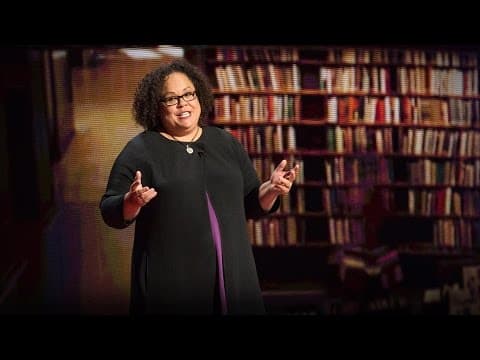
A new way to think about the transition to motherhood | Alexandra Sacks

TL;DR
Matrescence, the transition to motherhood, is often misunderstood and stigmatized, causing mothers to feel alone and inadequate, but by normalizing this natural progression and encouraging open conversation, we can reduce postpartum depression rates and support mothers.
Transcript
Do you remember a time when you felt hormonal and moody? Your skin was breaking out, your body was growing in strange places and very fast, and at the same time, people were expecting you to be grown-up in this new way. Teenagers, right? Well, these same changes happen to a woman when she's having a baby. And we know that it's normal for teenagers ... Read More
Key Insights
- 😌 The transition to motherhood is often overlooked and lacks a clear definition or understanding, leading to unrealistic expectations and feelings of inadequacy among new mothers.
- 🤰 Matrescence, a term coined in anthropology, can be compared to adolescence in terms of physical and emotional changes, but it is not a disease. It is important to differentiate it from postpartum depression.
- 💪 Matrescence involves a push and pull dynamic, where a mother's attention is pulled towards her baby, but her mind is simultaneously pushing away to maintain her other identities, relationships, and needs. This tension can cause emotional struggles and confusion.
- 🌍 Creating awareness and understanding about matrescence is crucial to reducing stigma and rates of postpartum depression. Mothers need to share their experiences and talk about their matrescence with other mothers, friends, and partners for support.
- ⚕️ Doctors and healthcare professionals need to educate women about the natural progression of matrescence to normalize the challenges and ambivalence that come with it.
- 💑 Preserving a separate part of one's identity during matrescence is not only important for the mother's well-being but also allows space for the child to develop their own sense of self.
- 🔍 Additional research is needed to better understand the effects and potential benefits of addressing matrescence in reducing postpartum depression rates.
- 🙌 Matrescence is a profound and transformative experience that is inherently difficult, but embracing its challenges is part of the human experience of becoming a mother.
Install to Summarize YouTube Videos and Get Transcripts
Explore YouTube Video Summarizer or Get YouTube Transcript Extractor
Questions & Answers
Q: What is the speaker's profession and how does it relate to the topic of the video?
The speaker is a psychiatrist who specializes in working with pregnant and postpartum women, known as a reproductive psychiatrist. This relates to the topic of the video because she aims to normalize the transition to motherhood and address concerns that women may have during this period.
Q: What is the term coined by the speaker to describe the transition to motherhood?
The term coined by the speaker to describe the transition to motherhood is "matrescence," which is comparable to adolescence in terms of the emotional and physical changes that occur.
Q: Why do women often feel concerned or unsettled after having a baby?
Women often feel concerned or unsettled after having a baby because they have unrealistic expectations of what motherhood should feel like. They may expect to feel whole, happy, and always put their baby first, but the reality is often different. This discrepancy can lead to feelings of inadequacy and concern that something is wrong.
Q: How does the concept of "push and pull" apply to the transition to motherhood?
The concept of "push and pull" refers to the emotional tug-of-war experienced by women during matrescence. On one hand, there is a pull towards the baby, with hormones like oxytocin prompting the mother to focus on and prioritize her child. On the other hand, there is a push away from solely defining oneself as a mother, as other aspects of identity and personal needs surface.
Q: What can help women feel less alone and reduce rates of postpartum depression during matrescence?
Women can feel less alone and reduce rates of postpartum depression during matrescence by better understanding the natural progression of this transition and normalizing feelings of ambivalence. If women knew that many others struggle with the push and pull of motherhood and that it is nothing to be ashamed of, it would create a sense of camaraderie and reduce the stigma surrounding maternal mental health.
Summary & Key Takeaways
-
Women experience significant hormonal and emotional changes during pregnancy and motherhood, similar to the changes experienced by teenagers during adolescence.
-
There is a lack of understanding and discussion about the transition to motherhood, leading to unrealistic expectations and confusion.
-
Matrescence, a concept similar to adolescence, describes the emotional tug-of-war that women experience as they prioritize their baby while also maintaining their own identity and fulfilling their needs. Understanding matrescence can help reduce stigma and rates of postpartum depression.
Read in Other Languages (beta)
Share This Summary 📚
Summarize YouTube Videos and Get Video Transcripts with 1-Click
Try YouTube Summary with ChatGPT & Claude or YouTube Transcript Generator
Explore More Summaries from TED 📚





Summarize YouTube Videos and Get Video Transcripts with 1-Click
Try YouTube Summary with ChatGPT & Claude or YouTube Transcript Generator