Do kids think of sperm donors as family? | Veerle Provoost
TL;DR
This content explores the complex questions and decisions faced by parents, particularly those who have used sperm donation, and highlights the importance of warm relationships in all types of families.
Transcript
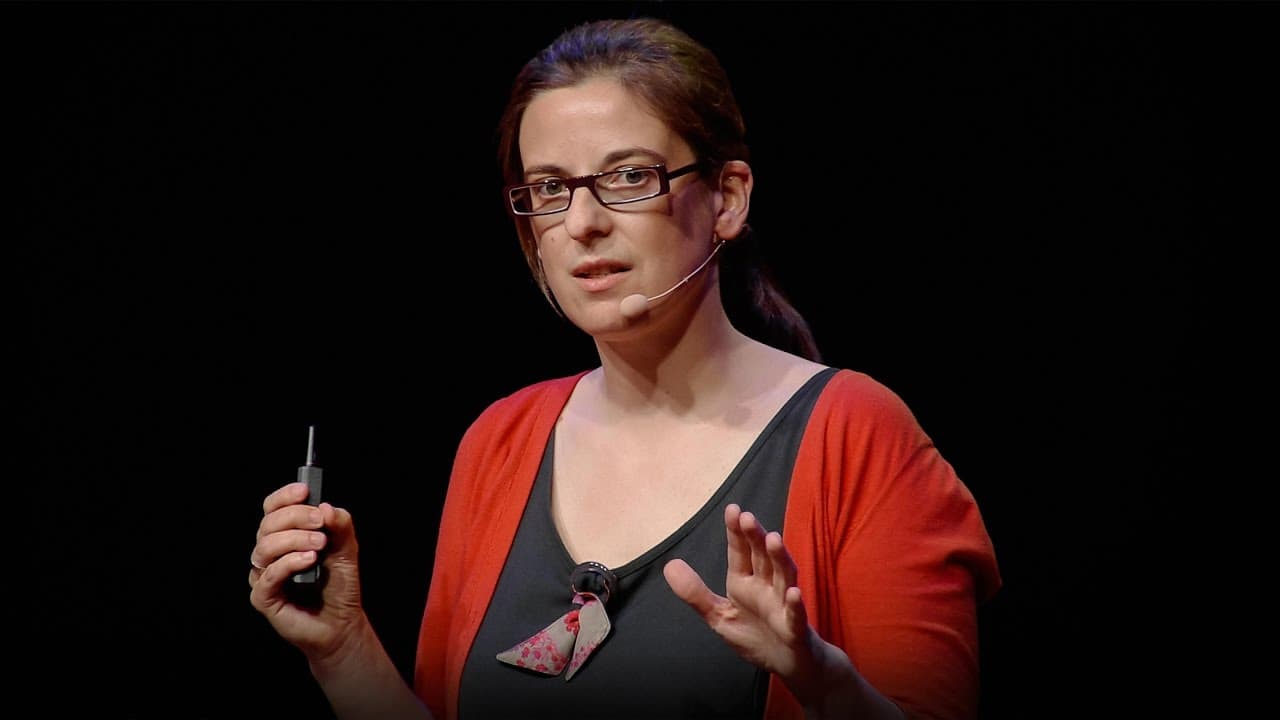
What is a parent? What is a parent? It's not an easy question. Today we have adoption, stepfamilies, surrogate mothers. Many parents face tough questions and tough decisions. Shall we tell our child about the sperm donation? If so, when? What words to use? Sperm donors are often referred to as "biological fathers," but should we really be using the... Read More
Key Insights
- 👦 Parents and children have unique and creative ways of dealing with tough questions and uncertainties about parenthood and family.
- 🍎 Children's understanding of parenthood and family can be explored through abstract and philosophical questions, such as using an apple tree analogy.
- 🧑 Parents may construct family tales to explain their children's origins, often incorporating personal and unique elements to make them more relatable.
- 📚 DIY methods, such as creating books or going on trips, can be effective in conveying a family's story and reinforcing a child's sense of belonging.
- 🌍 Society's heteronormative and geneticized views on family can create fears and uncertainties for parents who have alternative forms of parenthood.
- 👦 Genetic connections are not always the sole determinant of familial relationships, as evidenced by a teenager's outburst not related to a lack of genetic link.
- 📢 Advice given to parents should be based on evidence, with a focus on practical and effective communication strategies that improve family dynamics and well-being.
- 💞 Warm relationships, rather than adherence to societal norms or professional advice, are what truly matter in creating a strong and loving family dynamic.
Install to Summarize YouTube Videos and Get Transcripts
Explore YouTube Video Summarizer or Get YouTube Transcript Extractor
Questions & Answers
Q: What tough questions do parents face regarding sperm donation and family structure?
Parents face tough questions such as when to tell their child about the sperm donation and how to explain the concept to them. They also grapple with whether to use the term "father" when referring to the sperm donor and how to define and explain parenthood and family in non-traditional family structures.
Q: What were some of the findings from the interviews with couples who received fertility treatment?
The interviews with couples who received fertility treatment revealed diverse approaches to explaining the concept of family to their children. Some constructed family narratives using creative techniques like farm visits or creating personalized books. These stories all conveyed a strong sense of longing for their child and emphasized how deeply loved and special they were.
Q: How did children in the study define concepts like parenthood and family?
Children in the study defined parenthood and family in various ways. Initially, when asked to depict their family on an apple tree, most children mentioned parents or siblings but did not mention the sperm donor. However, when prompted about their birth story, they explained it using their own words, understanding that the donor played a crucial role in making their family possible.
Q: What fears did parents in the study have regarding their non-genetic parents and how did they address them?
Parents in the study feared that their children might reject the non-genetic parent and disapprove of their family structure. They constructed family narratives and sought to justify their decisions to their children, hoping they would understand why the family was created in a certain way. These fears stemmed from societal beliefs that true families consist of one mom, one dad, and genetically related children.
Q: What advice did the participants receive from counselors and how did it impact their communication with their children?
Some participants received advice from counselors to only answer their child's questions about their sperm donor if specifically asked, as the child might not be ready for that information. However, this advice differed from how the participants responded to other questions their children had. The mismatch in communication led to confusion for the children and a missed opportunity for open communication within the family.
Summary & Key Takeaways
-
There are many different types of families and forms of parenthood, including adoption, stepfamilies, and surrogate mothers.
-
Parents face tough questions and decisions, such as whether or when to tell their child about sperm donation.
-
Children have their own understanding of family and parenthood, and parents find creative ways to explain their family story to them.
Read in Other Languages (beta)
Share This Summary 📚
Summarize YouTube Videos and Get Video Transcripts with 1-Click
Try YouTube Summary with ChatGPT & Claude or YouTube Transcript Generator
Explore More Summaries from TED 📚



Summarize YouTube Videos and Get Video Transcripts with 1-Click
Try YouTube Summary with ChatGPT & Claude or YouTube Transcript Generator