The Republic: Internationally Friendly Version - Philosophy Tube
TL;DR
Plato explores the nature of justice and its intrinsic value in "The Republic."
Transcript
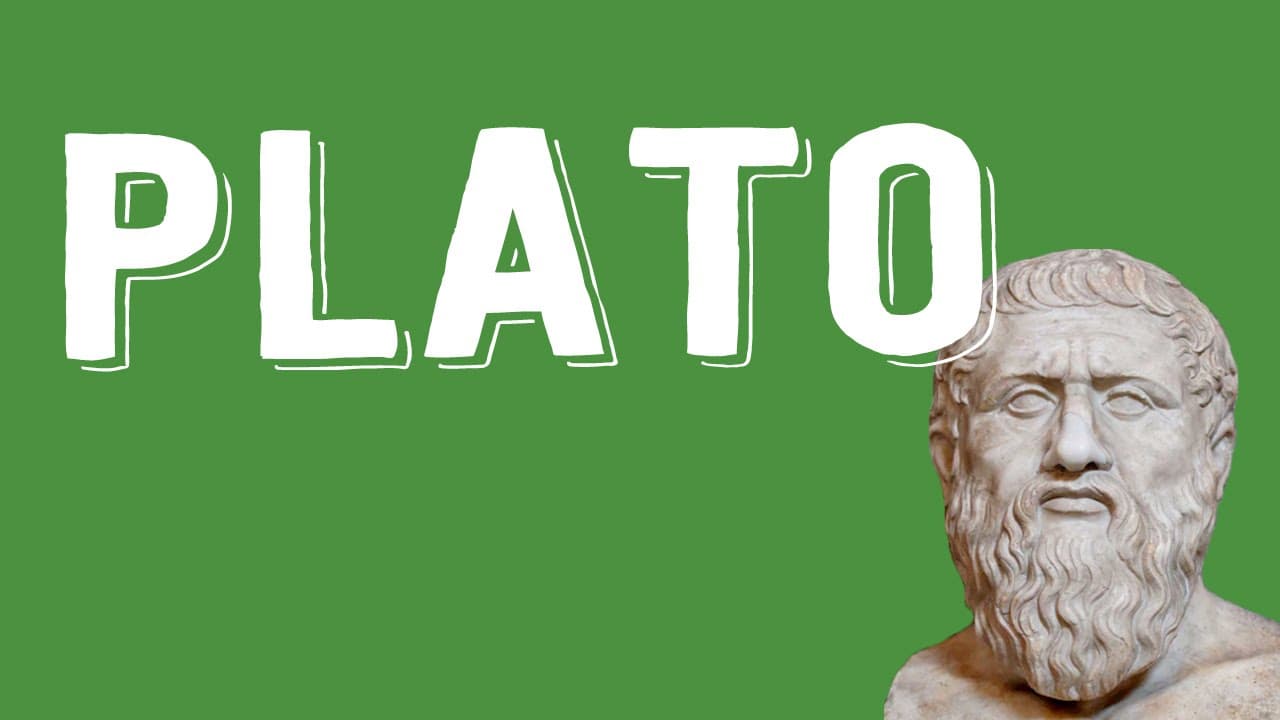
the Republic is one of Plato's most famous works it is very long disperate complex and detailed so we're only going to go over one facet of it today from books 1 to four the question we're going to be worried about is in a nutshell do nice guys finish last as always Plato frames his work as a dialog between Socrates and several other characters in ... Read More
Key Insights
- 👨⚖️ The discussion of justice in "The Republic" reveals tension between perceived social benefits of justice and its intrinsic worth.
- ❓ Glaucon’s argument about the Ring of Gyges challenges the notion of ethical behavior when external consequences are removed.
- 👨⚖️ Socrates' defense of justice emphasizes the psychological benefits and internal harmony achieved through virtuous living.
- 🏛️ The ideal societal structure reflects Plato’s vision of order, with each class fulfilling a specific moral and functional role.
- ❓ The four cardinal virtues highlight the interconnectedness between individual traits and societal success, emphasizing moral leadership.
- 🫵 Plato's tripartite view of the soul parallels his vision of ideal governance, linking personal justice to broader societal stability.
- 👷 Critiques of Plato suggest a need to scrutinize foundational philosophical constructs for relevance in modern ethics and psychology.
Install to Summarize YouTube Videos and Get Transcripts
Explore YouTube Video Summarizer or Get YouTube Transcript Extractor
Questions & Answers
Q: What argument does Glaucon make about justice?
Glaucon argues that justice is often seen as a type of social constraint, only valuable due to its consequences. He illustrates this idea through the story of the Ring of Gyges, proposing that if individuals could act unjustly without fear of repercussion, they would do so, questioning the intrinsic value of being just.
Q: How does Socrates counter Glaucon's view on justice?
Socrates counters by asserting that true justice is its own reward, maintained through the internal harmony of the soul. He suggests that being just contributes to an individual's psychological well-being and internal balance, ultimately leading to a life of greater fulfillment than that of an unjust person masquerading as just.
Q: What is the structure of Plato's ideal society as discussed in the content?
Plato's ideal society is structured into three main classes: rulers, guardians, and producers. Each class has designated roles – rulers govern, guardians protect, and producers provide for the community. This system reflects his belief in a natural hierarchy that promotes order and justice, with limited social mobility among the classes.
Q: What are the four cardinal virtues Plato identifies in the ideal city?
The four cardinal virtues identified by Plato in his ideal city are wisdom, courage, moderation, and justice. Each virtue corresponds to a class: wisdom governs the rulers, courage belongs to the guardians, moderation exists in the obedience of the producers, and justice is seen as the balance among all parts of the society.
Q: How does Plato define the soul in relation to justice?
Plato conceptualizes the soul as tripartite, comprising reason, spirit, and appetite. A person is just when these three parts function harmoniously, with reason guiding spirit and appetite. This internal balance mirrors the justice of the city, suggesting that personal harmony is linked to societal order and virtue.
Q: What critiques does the content include regarding Plato's philosophy?
The content critiques Plato's assumptions, such as the arbitrary selection of the four cardinal virtues and the tripartite model of the soul. It raises questions about the validity of these frameworks in modern psychology and assumptions about the value of justice and health that Plato makes without substantial evidence.
Q: How do contemporary interpretations of Plato's ideas differ?
Contemporary interpretations often challenge Plato’s rigid class distinctions and his idealization of the tripartite soul. Modern philosophy emphasizes individual agency and psychological complexity, questioning whether true justice can be equated between societal frameworks and personal ethics, or if such comparisons are oversimplified.
Q: What is the significance of the dialogue format in Plato's "Republic"?
The dialogue format allows for a multifaceted exploration of philosophical questions as characters present differing perspectives on justice. This method encourages critical thinking and reflection among readers, inviting them to engage with the complexities of moral philosophy rather than accepting definitive conclusions presented by Socrates.
Summary & Key Takeaways
-
In the early books of "The Republic," Plato, through Socrates, engages various characters in defining justice, exploring whether it is inherently valuable or merely a means to an end.
-
Glaucon argues that justice is seen as beneficial only because of its consequences, while Socrates defends justice as intrinsically rewarding and crucial for a harmonious life.
-
The dialogue leads to constructing an ideal city model where each social class plays a role, reflecting that personal justice mirrors societal justice, emphasizing balance among the soul's parts.
Read in Other Languages (beta)
Share This Summary 📚
Summarize YouTube Videos and Get Video Transcripts with 1-Click
Try YouTube Summary with ChatGPT & Claude or YouTube Transcript Generator
Explore More Summaries from Philosophy Tube 📚





Summarize YouTube Videos and Get Video Transcripts with 1-Click
Try YouTube Summary with ChatGPT & Claude or YouTube Transcript Generator