How Can You Master Liquidity Trading Strategies?
TL;DR
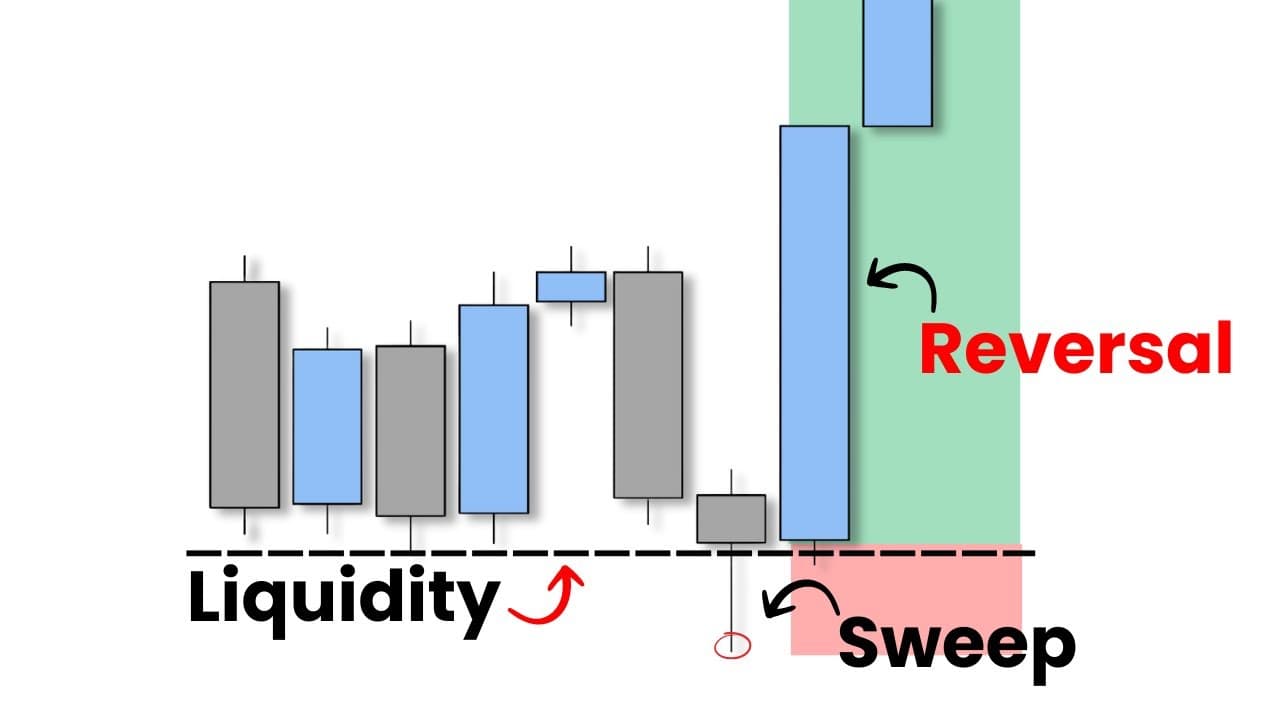
Mastering liquidity trading strategies enables traders to pinpoint magnet areas in the market where significant orders are placed, facilitating better trade targets while minimizing losses. By understanding equal highs, equal lows, and trending liquidity, traders can align their tactics with institutional patterns and enhance their market predictions.
Transcript
the ability to identify liquidity and an understanding of how to use it in your trading is incredibly valuable when you can identify where liquidity sits in a market you basically understand the magnet areas that price is going to be drawn towards which means you can take great trades with clear targets you can identify reversal points and most imp... Read More
Key Insights
- Understanding liquidity helps traders identify market magnet areas, enabling better trade targets and reducing losses.
- Liquidity refers to orders in the market, with significant movements occurring at areas with many orders.
- Three key forms of liquidity are equal high/low liquidity, trend liquidity, and range liquidity.
- Equal high and low liquidity involves orders around resistance and support levels, useful for setting targets and avoiding losses.
- Trend liquidity involves identifying areas with many orders using trend lines, but real trend changes depend on price action.
- Range liquidity focuses on orders around swing highs and lows, offering insights into potential market reversals.
- Institutional traders use liquidity areas to enter large positions, often contrary to retail traders' expectations.
- Traders should avoid common traps like selling resistance or buying support without considering underlying liquidity dynamics.
Install to Summarize YouTube Videos and Get Transcripts
Explore YouTube Video Summarizer or Get YouTube Transcript Extractor
Questions & Answers
Q: What is liquidity in trading?
Liquidity in trading refers to the presence of orders or money in the market. It is the flow of buying and selling orders that causes market movements. When there are more buy orders than sell orders, prices tend to rise, and vice versa. Understanding liquidity helps traders identify areas where significant market movements are likely to occur.
Q: How can equal high and low liquidity be used in trading?
Equal high and low liquidity can be used to set trade targets and avoid losses. These areas, often at resistance and support levels, accumulate many stop-loss orders. Traders can use them to predict where the market will likely move, either to capture stop losses or as targets for their trades. Avoiding trading directly at these points can prevent being caught in stop-loss hunts.
Q: What is the significance of trend liquidity?
Trend liquidity involves identifying areas with significant orders using trend lines. While trend lines are common in retail trading, they do not always indicate trend changes. Instead, real trend shifts depend on price action and structural changes. Traders should consider liquidity around trend lines to avoid traps and align with the actual market direction.
Q: How does range liquidity affect trading decisions?
Range liquidity focuses on orders around swing highs and lows. These areas often see significant market reactions as they hold many stop-loss and breakout orders. By understanding range liquidity, traders can anticipate potential reversals and set effective targets, avoiding trades in mid-range areas where fewer orders exist.
Q: Why should traders avoid selling resistance or buying support?
Traders should avoid selling resistance or buying support without considering liquidity because these areas often have many stop-loss orders. The market may push through these levels to capture liquidity before reversing, leading to stop-loss hunts. Understanding liquidity helps traders avoid these common traps and align with institutional trading patterns.
Q: How do institutional traders use liquidity?
Institutional traders use liquidity areas to enter large positions. They wait for the market to reach areas with significant orders, such as resistance or support levels, to execute their trades. This often involves taking the opposite side of retail traders' positions, using the liquidity provided by retail stop-loss and breakout orders to fill their trades.
Q: What role does liquidity play in predicting market reversals?
Liquidity plays a crucial role in predicting market reversals as it indicates areas with significant orders. When the market reaches these areas, it often reacts strongly, either reversing or continuing in the same direction. By identifying liquidity zones, traders can anticipate where reversals are likely to occur and adjust their strategies accordingly.
Q: How can traders use liquidity to improve their trading strategies?
Traders can use liquidity to improve their strategies by identifying areas with significant orders and aligning their trades with likely market movements. This involves setting targets at liquidity zones and avoiding common retail traps like trading directly at resistance or support. Understanding liquidity helps traders anticipate market reactions and align with institutional trading patterns.
Summary & Key Takeaways
-
Liquidity trading involves understanding where significant orders are placed in the market, allowing traders to set better targets and avoid common pitfalls. By focusing on equal high/low, trend, and range liquidity, traders can anticipate market movements more accurately.
-
The video explains how liquidity acts as a magnet for price, with significant buying or selling occurring at areas with many orders. This understanding allows traders to predict reversals and set effective trade targets.
-
By identifying liquidity areas, traders can align their strategies with institutional trading patterns, avoiding common retail trading mistakes. The video provides examples and strategies for trading using liquidity concepts.
Read in Other Languages (beta)
Share This Summary 📚
Summarize YouTube Videos and Get Video Transcripts with 1-Click
Try YouTube Summary with ChatGPT & Claude or YouTube Transcript Generator
Explore More Summaries from JeaFx 📚

Summarize YouTube Videos and Get Video Transcripts with 1-Click
Try YouTube Summary with ChatGPT & Claude or YouTube Transcript Generator