Typical Structure of a Flower | Don't Memorise
TL;DR
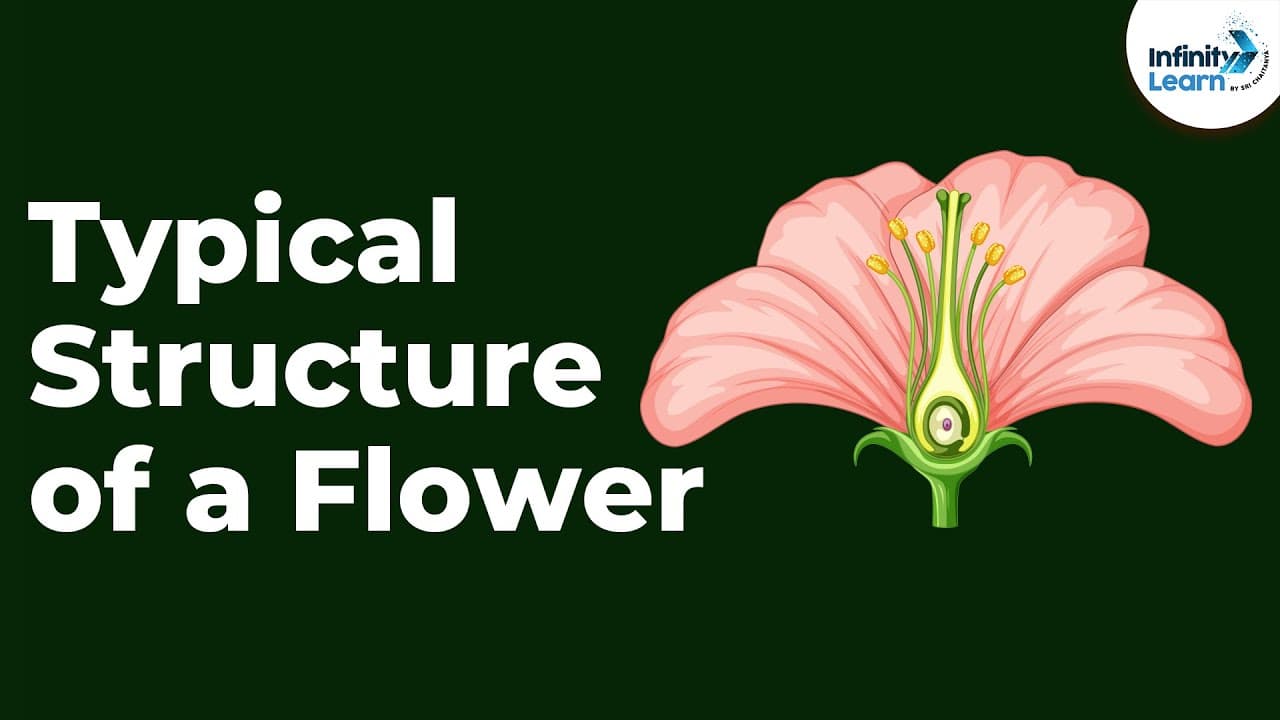
Flowers have male (stamen) and female (pistil) parts for reproduction through pollination, leading to embryo formation.
Transcript
By now we know how Sexual reproduction in plants takes place. This is what we have learned. The flower which is the reproductive organ of the plant, bears the male and the female parts. The male part - the stamen contains the male gamete while the female part - the pistil has the female gamete. Fusion of the two gives rise to an embryo. Now let us... Read More
Key Insights
- 🕵️♀️ Flowers have male (stamen) and female (pistil) reproductive parts for sexual reproduction.
- 💐 Pollination transfers pollen grains from the anther to the stigma of the same type of flower.
- 🥳 Flowers can be bisexual (containing both parts) or unisexual (containing only one part), affecting their reproductive process.
- 💦 Pollination can occur through abiotic (wind, water) or biotic (bees, bats, birds) agents.
Install to Summarize YouTube Videos and Get Transcripts
Explore YouTube Video Summarizer or Get YouTube Transcript Extractor
Questions & Answers
Q: What are the male and female reproductive parts of a flower?
The male part is the stamen containing male gamete, while the female part is the pistil containing female gamete, leading to sexual reproduction.
Q: What is pollination?
Pollination is the process where pollen grains from the anther are transferred to the stigma of the same type of flower, either through self or cross-pollination.
Q: How does pollination occur?
Pollination occurs through both abiotic agents like wind and water, and biotic agents like bees, bats, and birds, ensuring the safe transfer of pollen grains.
Q: What is the difference between bisexual and unisexual flowers?
Bisexual flowers have both stamen and pistil, while unisexual flowers have either stamen or pistil, affecting the type of pollination they undergo.
Summary & Key Takeaways
-
Flowers have both male (stamen) and female (pistil) reproductive parts.
-
Pollination transfers pollen grains to the stigma for fertilization.
-
Flowers can be bisexual (contain both parts) or unisexual (contain only one part).
Read in Other Languages (beta)
Share This Summary 📚
Summarize YouTube Videos and Get Video Transcripts with 1-Click
Try YouTube Summary with ChatGPT & Claude or YouTube Transcript Generator
Explore More Summaries from Infinity Learn NEET 📚
Summarize YouTube Videos and Get Video Transcripts with 1-Click
Try YouTube Summary with ChatGPT & Claude or YouTube Transcript Generator