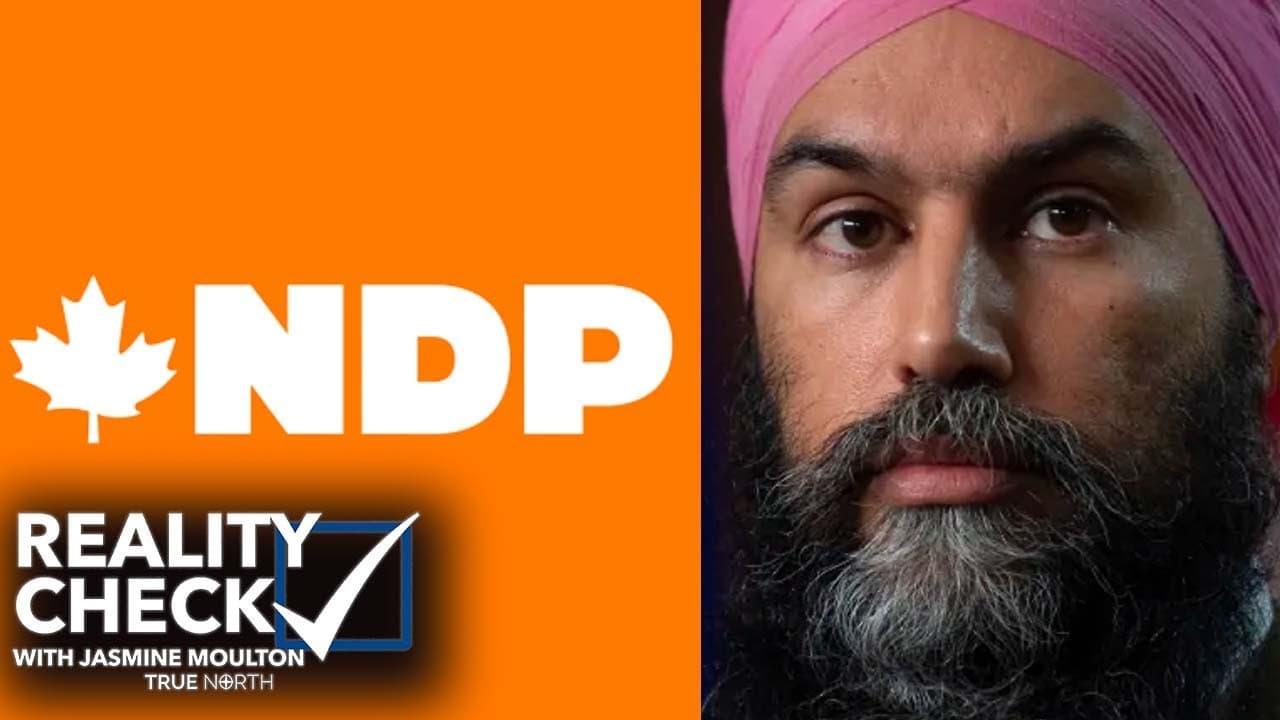
The NDP is WRONG about free tuition
TL;DR
Free tuition benefits the wealthy more than the poor in Canada.
Transcript
finally let's move on to the leftist third and final argument in favor of free tuition which is that it increases equity in canada equity is different from equality equality says we should treat everybody the same equity says that we have to recognize that people start in different places and so we have to treat them differently to try and level th... Read More
Key Insights
- Equity vs. Equality: Equity involves recognizing different starting points and treating individuals differently to level the playing field, while equality treats everyone the same.
- Regressive Policy: Free tuition is considered regressive, benefiting wealthier families more than lower-income ones, as wealthier families already have higher post-secondary enrollment rates.
- Universal Programs Critique: Universal free tuition programs are questioned for benefiting those who don't need financial help, rather than focusing on those who truly need it.
- Contradictory Claims: The Green Party's claim that students are disadvantaged contradicts the notion that education is a path to privilege and higher earnings.
- Taxpayer Burden: Broad subsidies for higher education mean average taxpayers finance future high earners, raising fairness concerns for non-university attendees.
- Cultural Factors: Cultural influences are significant predictors of post-secondary attendance, challenging the idea that tuition costs are the primary barrier.
- Early Childhood Investment: Disadvantages in early childhood and lack of skills investment are barriers to university enrollment, not just tuition costs.
- Underlying Factors: Eliminating tuition won't address the underlying reasons why some Canadians choose not to pursue post-secondary education.
Install to Summarize YouTube Videos and Get Transcripts
Explore YouTube Video Summarizer or Get YouTube Transcript Extractor
Questions & Answers
Q: What is the main argument against free tuition in Canada?
The main argument against free tuition in Canada is that it is a regressive policy that disproportionately benefits wealthier families who already have higher rates of university attendance. This approach fails to address the actual needs of lower-income families and does not tackle the underlying cultural and early childhood factors that influence educational choices.
Q: How does the concept of equity differ from equality in the context of education?
In education, equity involves recognizing that individuals start from different financial and social positions and therefore require different levels of support to achieve similar outcomes. In contrast, equality means treating everyone the same, regardless of their starting point. The push for free tuition is criticized for not truly addressing equity, as it benefits those who are already advantaged.
Q: Why is free tuition considered a regressive policy?
Free tuition is considered regressive because it provides more benefits to wealthier families, who already have higher rates of university attendance. By eliminating tuition fees, the policy disproportionately helps those who are less in need of financial assistance, rather than targeting support to lower-income families who face more significant barriers to post-secondary education.
Q: What are the cultural factors affecting post-secondary attendance?
Cultural factors affecting post-secondary attendance include family values, expectations, and the perceived importance of higher education. These factors can significantly influence a student's decision to pursue further education, often more so than financial barriers. Addressing these cultural influences requires a broader approach than simply eliminating tuition fees.
Q: How does early childhood investment impact university enrollment?
Early childhood investment impacts university enrollment by laying the foundation for future educational success. Disadvantages and lack of skills investment in early childhood can create barriers to university attendance, as these factors influence academic preparedness and aspirations long before tuition costs become a consideration. Addressing these early disparities is crucial for improving access to higher education.
Q: What is the contradiction in the Green Party's stance on student disadvantage?
The contradiction in the Green Party's stance is that they label students as one of the most disadvantaged groups, yet also argue that education is a path to privilege and higher earnings. This inconsistency raises questions about the validity of their claim and whether the focus should be on supporting those who truly face barriers to education.
Q: Why is the taxpayer burden a concern with free tuition?
The taxpayer burden is a concern because broad subsidies for higher education mean that average taxpayers are financing the education of future high earners. This raises fairness issues, particularly for those who do not attend university and do not directly benefit from such subsidies, yet are required to contribute financially.
Q: What underlying factors are not addressed by eliminating tuition?
Eliminating tuition does not address underlying factors such as cultural influences, early childhood disadvantages, and family expectations that significantly impact a student's decision to pursue post-secondary education. These issues require targeted interventions beyond financial support to effectively increase access to higher education for those who face genuine barriers.
Summary & Key Takeaways
-
Free tuition in Canada is criticized for being regressive, favoring wealthier families who already have higher post-secondary enrollment rates. The policy is seen as not addressing the underlying cultural and early childhood factors that influence educational choices.
-
The critique highlights the contradiction in labeling students as disadvantaged when education is a path to privilege. It questions the fairness of taxpayers subsidizing future high earners and suggests focusing on those who truly need financial support.
-
Ultimately, the analysis argues that eliminating tuition doesn't solve the fundamental issues affecting post-secondary attendance, such as cultural influences and early childhood disadvantages, which are more significant than tuition costs.
Read in Other Languages (beta)
Share This Summary 📚
Summarize YouTube Videos and Get Video Transcripts with 1-Click
Try YouTube Summary with ChatGPT & Claude or YouTube Transcript Generator
Explore More Summaries from True North 📚






Summarize YouTube Videos and Get Video Transcripts with 1-Click
Try YouTube Summary with ChatGPT & Claude or YouTube Transcript Generator