10 Times A Game TRICKED You Into Thinking It ENDED
TL;DR
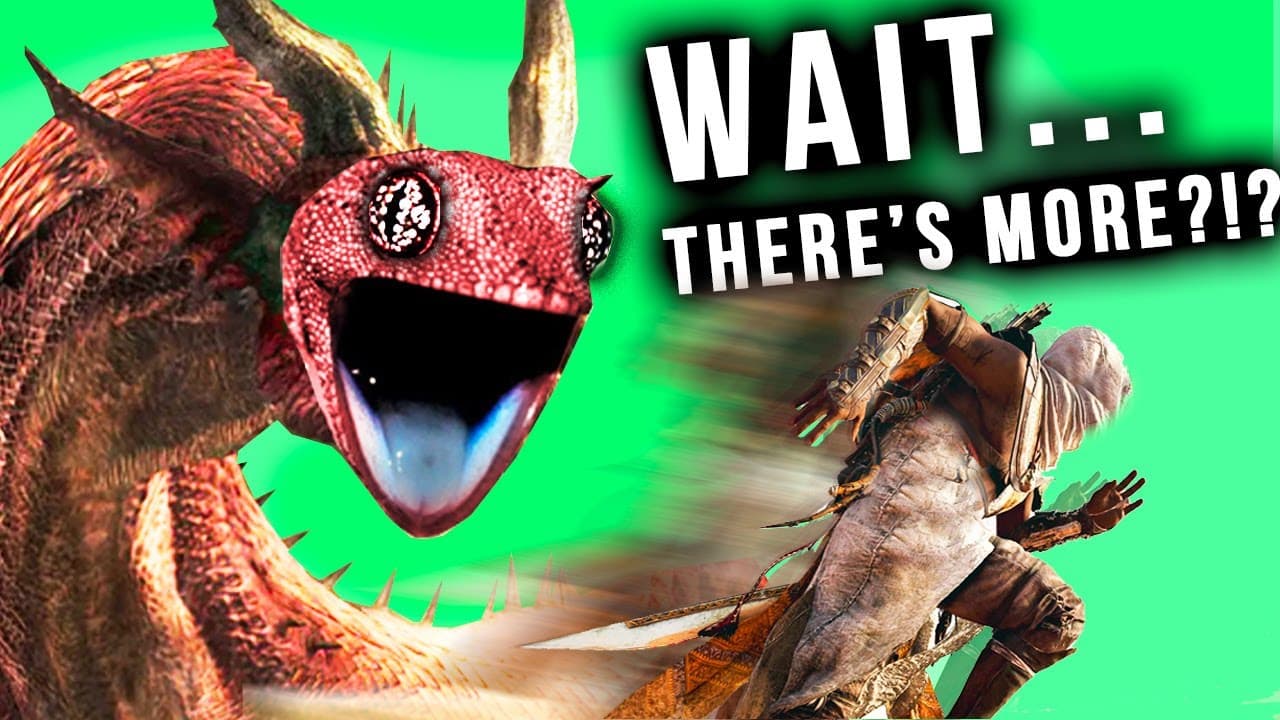
This content explores video games that feature unexpected fake-out endings.
Transcript
the fake-out ending in a lot of games you can see it coming and a lot you can't hi folks it's falcon and today on game ranks ten times we thought the game was over but it wasn't starting off at number ten way back in the day super Nintendos donkey kong country now the way this game seemingly ends is you get to the final boss you bop him a few times... Read More
Key Insights
- 🎮 Fake-out endings serve as captivating narrative devices, prolonging gameplay and deepening plots in video games.
- 🥺 The evolution of game narratives has led to increasingly complex storytelling techniques, engaging players in unexpected ways.
- 🎮 Classic games such as Donkey Kong Country and Final Fantasy illustrate how early titles laid the groundwork for narrative deception still seen today.
- 😮 Players often develop emotional attachments through these deceptive storylines, making the surprise elements impactful.
- 👾 Shenmue 2's pacing represents a unique narrative choice, deviating from the common expectations of game endings.
- 🫠 In Metal Gear Solid 5, unfinished story arcs highlight the volatile relationship between developers and commercial pressures.
- 😒 The use of fake-out endings reflects the gaming culture's shift toward deeper storytelling and immersion.
Install to Summarize YouTube Videos and Get Transcripts
Explore YouTube Video Summarizer or Get YouTube Transcript Extractor
Questions & Answers
Q: What is a fake-out ending in video games?
A fake-out ending occurs when a game seems to conclude, presenting credits or a resolution, only for players to discover that gameplay continues beyond that point. This narrative device can disorient players, leading to unexpected twists and prolonging the gaming experience.
Q: Why is Donkey Kong Country's ending considered a fake-out?
The ending of Donkey Kong Country initially presents itself as a conclusion after defeating the final boss, K. Rool. However, the credits display fake names, hinting at the deception. Players then realize the game isn't over as K. Rool re-emerges, leading to an additional confrontation.
Q: How does Shenmue 2 exemplify unusual pacing in its ending?
Shenmue 2 seemingly concludes when the protagonist rescues a key character. Instead of wrapping up the narrative, the game continues for three more hours, where players engage in mundane tasks without significant story progression, showcasing an unconventional approach to game endings.
Q: What surprise is presented in Metal Gear Solid 5's ending?
In Metal Gear Solid 5, after a climactic showdown and what seems to be the game's conclusion, the credits roll, only to reveal that this is merely "end of part 1." Players are thrust into further chaos involving zombies and internal conflict, extending the gameplay experience unexpectedly.
Q: What makes the ending of Okami surprising?
Okami subverts player expectations by prolonging the story after defeating the apparent main antagonist, Orochi. Players are taken through two additional battles that are seemingly unrelated to the main plot, signifying that the game contains much more content than initially perceived.
Q: How does Dark Souls 2 play with expectations regarding its final boss?
Players anticipate their final showdown with King Vendrick, only to find him mindlessly wandering rather than engaging in a climactic battle. This discovery leads to a deeper exploration of the game's lore and additional challenges beyond initial expectations.
Q: Why do Final Fantasy games frequently utilize fake-out endings?
The Final Fantasy series is notorious for its fake-out endings, often breaking the expectation of a simple resolution. After defeating main villains, players encounter unexpected plot twists or new challenges that extend playtime, reinforcing narrative depth and player engagement.
Q: What notable feature does the ending of Nier Automata have?
Nier Automata uses a unique structure where players must complete the game multiple times to fully realize its story. After the first ending, new gameplay and perspectives are unlocked, maintaining an unexpected narrative progression and challenging players' assumptions about traditional game completion.
Summary & Key Takeaways
-
The video examines instances in various video games where players believe they’ve reached the end, only to be surprised by continued gameplay or additional challenges.
-
Among the notable examples discussed are classic titles like Donkey Kong Country and Final Fantasy, emphasizing how these deceptive plot points captivated players in their respective eras.
-
The host, Falcon, shares personal reflections on the impact of these unexpected endings, highlighting their significance in the gaming narrative structure.
Read in Other Languages (beta)
Share This Summary 📚
Summarize YouTube Videos and Get Video Transcripts with 1-Click
Try YouTube Summary with ChatGPT & Claude or YouTube Transcript Generator
Explore More Summaries from gameranx 📚


Summarize YouTube Videos and Get Video Transcripts with 1-Click
Try YouTube Summary with ChatGPT & Claude or YouTube Transcript Generator