Reviewing the new Coding Train Passenger Showcase!
TL;DR
Diverse showcase of wave function collapse projects using Python and p5.js.
Transcript
is the best [Applause] do do do hmm all right uh how's my audio it looks like it's quite loud uh let me see what i can do here i meant to adjust this well in advance oh no okay that's better maybe too quiet still the same that's better what's going on here okay um test one two test one two test test test test test test test test that's getting too ... Read More
Key Insights
- 👋 Showcase of diverse projects implementing wave function collapse in Python and p5.js.
- 😫 Detailed documentation and explanation of the algorithm's application to various tile sets and patterns.
- 👋 Innovative designs and customizations in wave function collapse projects, highlighting the algorithm's creative potential.
- ❓ Utilization of Wang/Wolong tiles to achieve aperiodic tilings and explore unique artistic possibilities.
- 👋 Emphasis on the visual output and aesthetics of wave function collapse projects, enhancing the algorithm's artistic and computational capabilities.
- 👋 Collaboration and community involvement in exploring wave function collapse applications and design variations.
- 👨💻 Integration of virtual environments in Python for project management and dependency isolation, optimizing code development and execution processes.
Install to Summarize YouTube Videos and Get Transcripts
Explore YouTube Video Summarizer or Get YouTube Transcript Extractor
Questions & Answers
Q: What is the significance of creating a virtual environment in Python before running a project?
Creating a virtual environment helps isolate project dependencies and ensures compatibility, preventing conflicts with the system-wide Python installation.
Q: How does wave function collapse handle different tile sets and patterns in its algorithm?
The wave function collapse algorithm can accommodate various tile sets and patterns defined by users, allowing for diverse visual outputs in the generated images.
Q: What role do Wang/Wolong tiles play in achieving an aperiodic tiling using wave function collapse?
Wang/Wolong tiles are a set of rules that can lead to the creation of aperiodic tilings with unique and non-repeating patterns, offering different design possibilities in the algorithm.
Q: How does the visualization of wave function collapse projects demonstrate the interplay between algorithm execution and final artwork aesthetics?
The visual representation of wave function collapse projects showcases the algorithm's progressive pattern generation, illustrating the balance between computational execution and aesthetic output.
Summary & Key Takeaways
-
Showcase of various wave function collapse projects in Python and p5.js.
-
Detailed documentation and implementation of the algorithm in different languages.
-
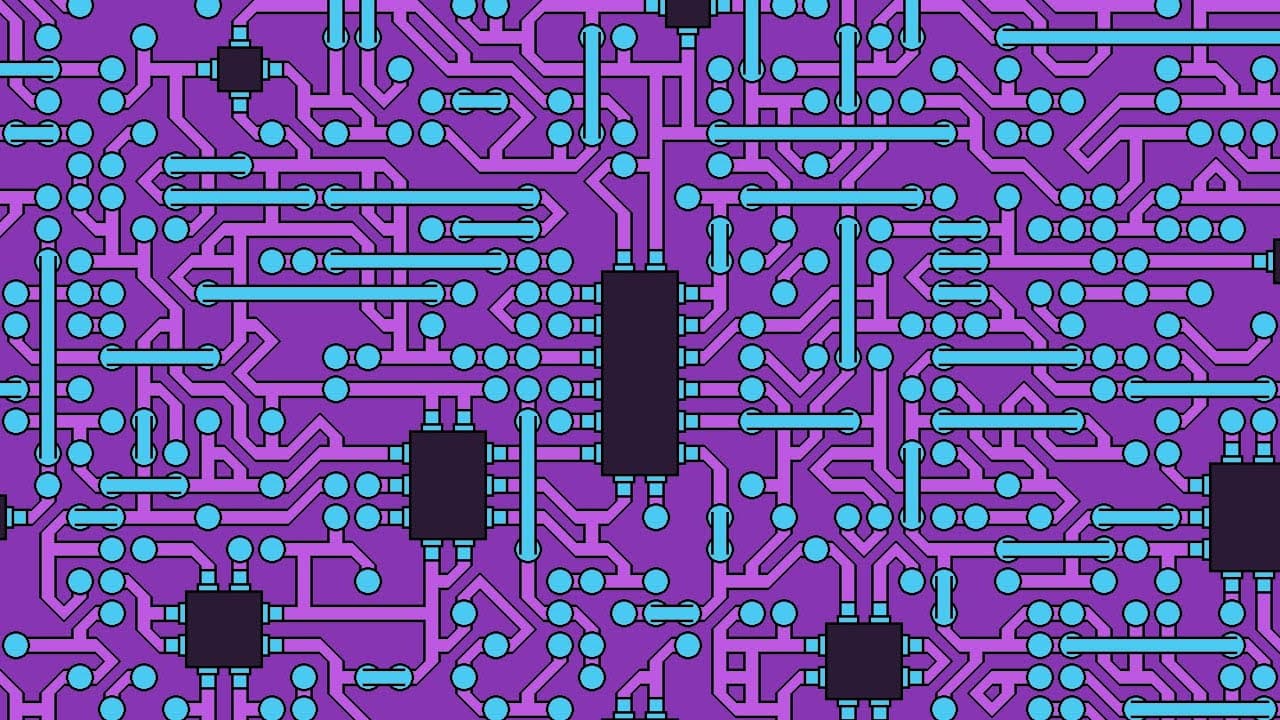
Examples range from tile generation to aperiodic tiling and circuit-inspired designs.
Read in Other Languages (beta)
Share This Summary 📚
Summarize YouTube Videos and Get Video Transcripts with 1-Click
Try YouTube Summary with ChatGPT & Claude or YouTube Transcript Generator
Explore More Summaries from The Coding Train 📚

Summarize YouTube Videos and Get Video Transcripts with 1-Click
Try YouTube Summary with ChatGPT & Claude or YouTube Transcript Generator