Returning to Fukushima | Explorer
TL;DR
Fukushima faces challenges post-nuclear disaster, with extensive cleanup efforts and residents' reluctance to return.
Transcript
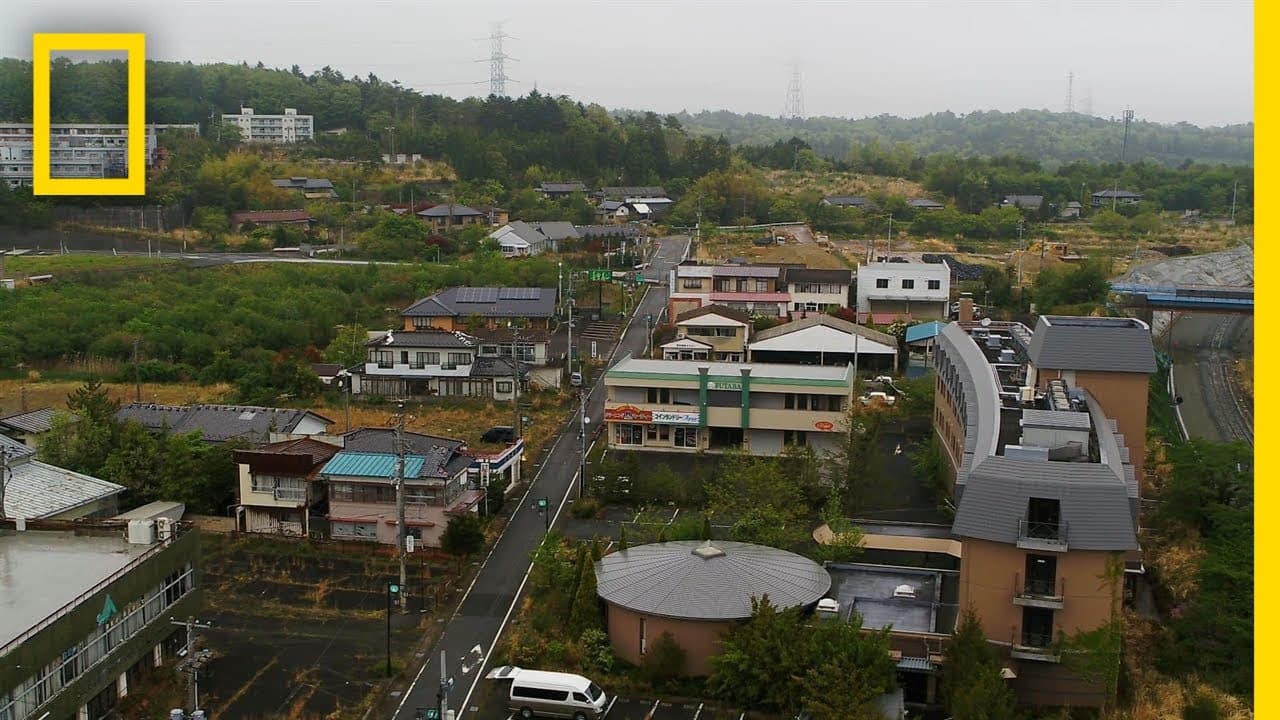
PHIL KEOGHAN: Nuclear power has been a reliable source of energy for 70 years. But it comes with the risk of a meltdown, as we saw in Chernobyl in 1986 and Fukushima in 2011. After Chernobyl, Russia ordered a 1,600 square mile area around the plant abandoned forever. But a very different plan is underway in Fukushima. Here's correspondent Mariana v... Read More
Key Insights
- 🌗 Nuclear disasters like Chernobyl and Fukushima have long-lasting consequences.
- 🥖 Japan's cleanup efforts involve removing contaminated soil and storing nuclear waste in bags.
- 😨 Residents face challenges like fear of radiation, wild boar infestations, and reluctant to return post-disaster.
- 😋 Safety measures such as food testing and radiation monitoring are in place for residents' protection.
- 🤞 Recovery efforts in Fukushima are ongoing, with the region's story of tragedy and hope intertwined.
- 🪡 The nuclear disaster in Fukushima highlights the need for strict safety regulations in the nuclear industry.
- 🗾 Despite the challenges, Japan's efforts to clean up Fukushima showcase resilience and determination.
Install to Summarize YouTube Videos and Get Transcripts
Explore YouTube Video Summarizer or Get YouTube Transcript Extractor
Questions & Answers
Q: What caused the Fukushima Daiichi nuclear disaster?
The disaster was triggered by an earthquake and tsunami in 2011, leading to a meltdown at the nuclear power plant.
Q: How is Japan handling the nuclear cleanup efforts?
Japan is removing topsoil contaminated with toxins, storing nuclear waste in millions of bags, and encouraging residents to return to safe areas.
Q: Why are residents hesitant to return to Fukushima?
Residents fear radiation exposure, wild boar infestations, and challenges in rebuilding their homes and communities post-disaster.
Q: What measures are in place to ensure safety for residents in Fukushima?
Radiation levels are monitored, food is tested for radioactivity, and schools have been built with radiation monitors for children's safety.
Summary & Key Takeaways
-
Fukushima Daiichi nuclear disaster caused evacuation due to high radiation levels.
-
Japan undertakes massive cleanup, removing topsoil and storing nuclear waste.
-
Residents struggle with fear of radiation, wild boars, and rebuilding after the disaster.
Read in Other Languages (beta)
Share This Summary 📚
Summarize YouTube Videos and Get Video Transcripts with 1-Click
Try YouTube Summary with ChatGPT & Claude or YouTube Transcript Generator
Explore More Summaries from National Geographic 📚



Summarize YouTube Videos and Get Video Transcripts with 1-Click
Try YouTube Summary with ChatGPT & Claude or YouTube Transcript Generator