Why US schools are at the center of trans rights
TL;DR
US schools face legal battles over trans rights amidst conflicting state and federal laws.
Transcript
In the past few years, many Republican governors have signed legislation targeting LGBTQ people into law. "Two controversial bills are now law in Alabama." "A bill regulating what school bathroom Oklahoma students use..." "A house committee passed a bill focused on pronouns." And hundreds more of these bills have been introduced in state legislat... Read More
Key Insights
- State legislatures, especially in Republican-controlled areas, are increasingly introducing bills targeting transgender students' rights, focusing on bathroom use, pronouns, and sports participation.
- The federal government under the Biden administration considers gender identity discrimination as a violation of the 1972 federal civil rights law, creating conflict with state laws.
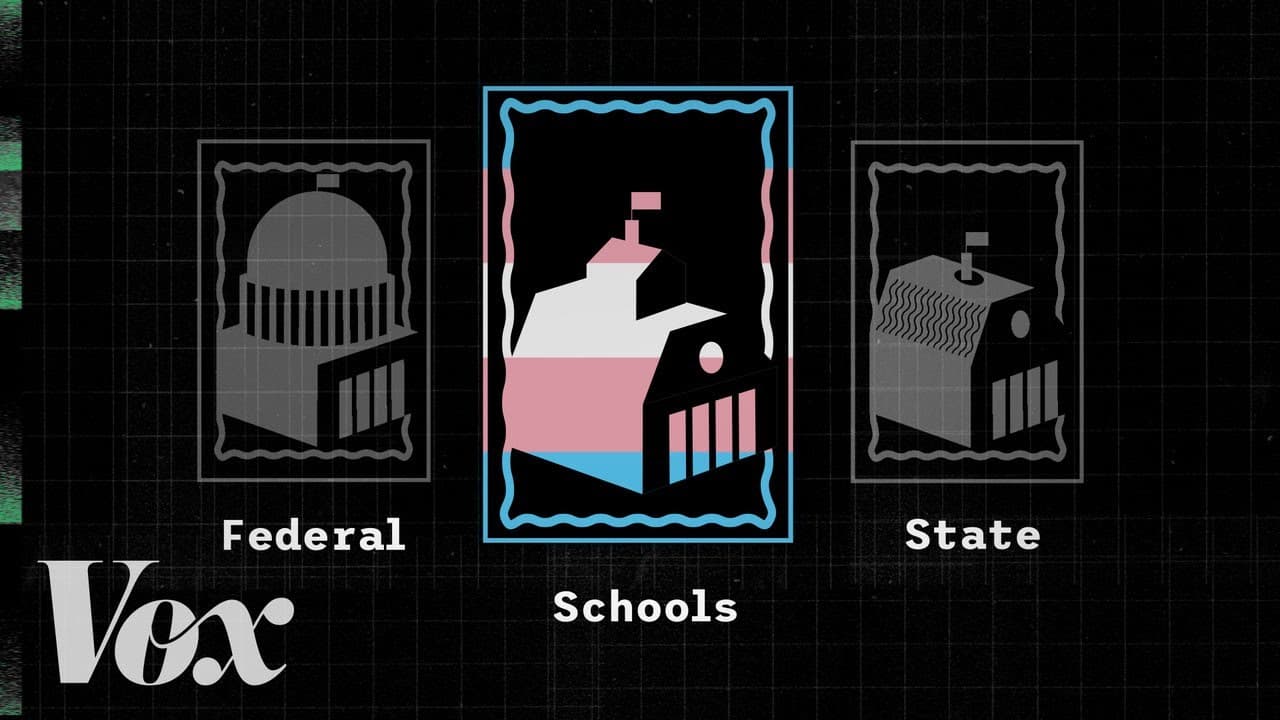
- Local school boards are caught between state laws and federal guidelines, facing high stakes as they navigate these conflicting directives.
- Transgender and nonbinary youth face higher rates of depression, anxiety, and suicidal ideation, exacerbated by discriminatory policies in schools.
- Tennessee has introduced more anti-LGBTQ laws than most states, with specific laws targeting transgender students' bathroom use and sports participation.
- School boards risk losing state funding if they don't comply with state laws, yet face potential federal investigations if they do comply, creating a legal gray area.
- Title IX, a federal civil rights law, is interpreted differently by different administrations, affecting how schools handle LGBTQ student rights.
- The Supreme Court could potentially resolve these conflicts, but until then, local educators and school boards play a crucial role in supporting transgender students.
Install to Summarize YouTube Videos and Get Transcripts
Explore YouTube Video Summarizer or Get YouTube Transcript Extractor
Questions & Answers
Q: What recent legislative trends are affecting transgender students in US schools?
In recent years, many Republican-controlled state legislatures have introduced bills targeting transgender students' rights. These bills focus on issues such as which bathrooms transgender students can use, whether their pronouns are respected, and their participation in school sports. These state-level laws often conflict with federal guidelines under the Biden administration, which considers such discrimination a violation of federal civil rights law.
Q: How does the federal government's stance on transgender rights differ from some state laws?
Under the Biden administration, the federal government views discrimination based on gender identity as a violation of the 1972 federal civil rights law. This stance conflicts with laws in several states, particularly those led by Republicans, which have passed legislation restricting transgender students' rights in schools. This creates a legal conflict between state and federal authorities over the rights of transgender students.
Q: What challenges do local school boards face regarding transgender student rights?
Local school boards are caught in a difficult position as they navigate conflicting state and federal laws regarding transgender student rights. They risk losing state funding if they do not comply with state laws, yet face potential federal civil rights investigations if they do comply. This creates a legal gray area, leaving school boards to make challenging decisions with significant consequences for their schools and students.
Q: What impact do discriminatory policies have on transgender students' mental health?
Discriminatory policies targeting transgender students can have severe negative impacts on their mental health. Transgender and nonbinary youth face higher rates of depression, anxiety, and suicidal ideation compared to their cisgender peers. These mental health challenges are exacerbated by school environments that are not supportive or affirming, highlighting the importance of inclusive policies and supportive educators.
Q: Why is Tennessee a focal point in the discussion of anti-LGBTQ laws?
Tennessee has introduced more anti-LGBTQ laws than almost any other state, making it a focal point in the discussion. The state's laws specifically target transgender students' rights in areas like bathroom use and sports participation. These laws create a challenging environment for transgender students and place local school boards and educators in difficult positions as they navigate legal and ethical dilemmas.
Q: How does Title IX factor into the legal battle over transgender student rights?
Title IX, a federal civil rights law, prohibits discrimination based on sex in education programs receiving federal funding. Different presidential administrations have interpreted Title IX's protections for LGBTQ students differently. The Obama administration extended these protections to include LGBTQ students, the Trump administration reversed this, and the Biden administration restored them. This ongoing reinterpretation impacts how schools handle transgender student rights.
Q: What potential role could the Supreme Court play in resolving these conflicts?
The Supreme Court could play a crucial role in resolving the legal conflicts between state and federal laws regarding transgender student rights. A ruling from the Supreme Court could establish a national precedent, forcing harmony between federal, state, and local policies. However, until such a ruling is made, local educators and school boards remain key in supporting and affirming transgender students.
Q: How are local educators and school boards supporting transgender students amid these legal challenges?
Local educators and school boards are pivotal in supporting transgender students amid the legal challenges posed by conflicting state and federal laws. Many educators and school boards strive to create inclusive and affirming environments for transgender students, despite the risk of legal and financial repercussions. Their support can be vital in protecting the mental health and well-being of transgender students, providing them with a sense of safety and acceptance in their school communities.
Summary & Key Takeaways
-
In recent years, many US states, particularly those with Republican leadership, have passed laws targeting transgender students' rights, focusing on issues like bathroom use and sports participation. These state laws conflict with federal guidelines under the Biden administration, which views such discrimination as illegal.
-
Local school boards are in a difficult position, having to choose between complying with state laws at the risk of losing funding or adhering to federal guidelines and facing potential legal consequences. This conflict places transgender students in a vulnerable position.
-
Tennessee is highlighted as a state with numerous anti-LGBTQ laws, creating a challenging environment for transgender students. Local educators and school boards who support trans rights face ethical dilemmas and legal uncertainties, with the Supreme Court potentially being the ultimate arbiter.
Read in Other Languages (beta)
Share This Summary 📚
Summarize YouTube Videos and Get Video Transcripts with 1-Click
Try YouTube Summary with ChatGPT & Claude or YouTube Transcript Generator
Explore More Summaries from Vox 📚






Summarize YouTube Videos and Get Video Transcripts with 1-Click
Try YouTube Summary with ChatGPT & Claude or YouTube Transcript Generator