Stem Cells
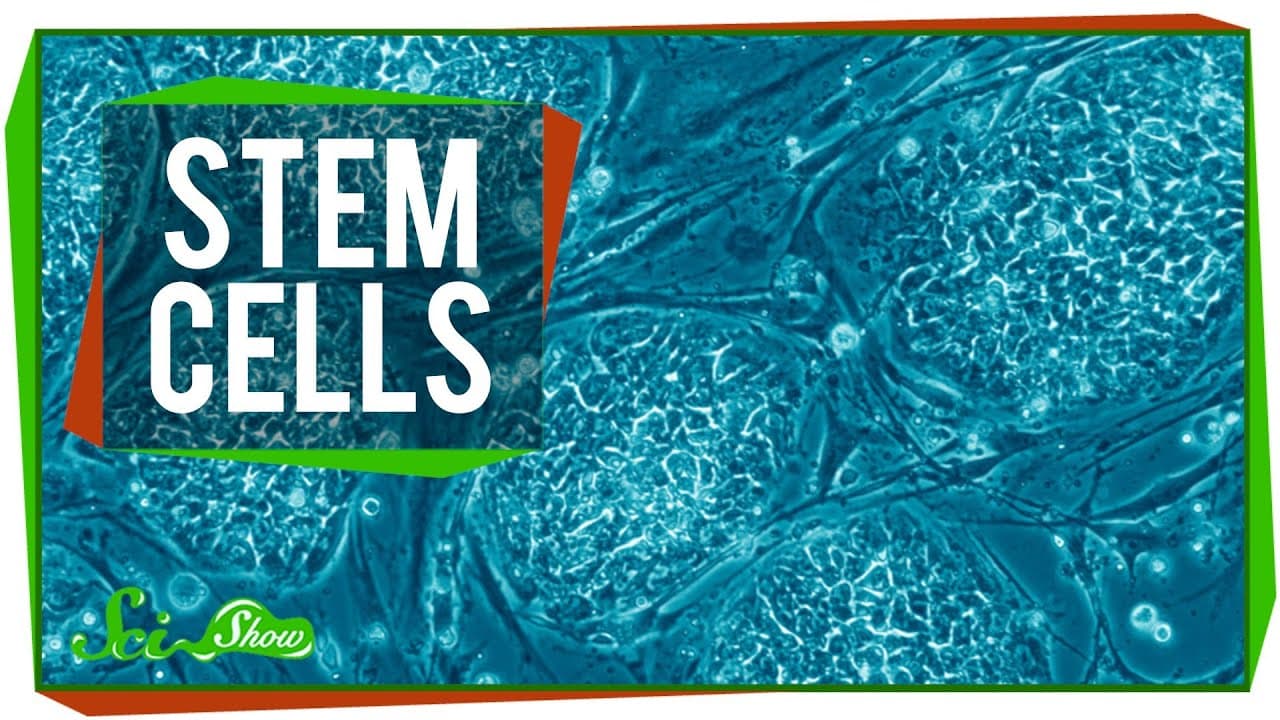
TL;DR
Stem cells are undifferentiated cells with the potential to become various types of cells in the body, crucial for regenerating damaged tissues.
Transcript
Ok, so you're reading the newspaper, or you're watching the news and they're talking about some new medical technology, Some breakthrough treating congestive heart failure or regrowing muscle tissue in wounded soldiers. I bet you that that story is going to mention that this new type of therapy uses stem cells. And I bet you, like most people, are ... Read More
Key Insights
- 🖐️ Stem cells play a crucial role in tissue regeneration and repair in the human body.
- 🧑 Adult stem cells are undifferentiated cells capable of differentiating into specific cell types for tissue maintenance.
- 😷 Embryonic stem cells offer extensive proliferation and differentiation abilities for potential medical applications.
- 👶 Stem cell research is essential for developing new therapies and treatments for various health conditions.
- 🫥 Regulations impact the availability and utilization of stem cell lines in research and medical practices.
- 🅰️ Understanding the differences between stem cell types can help in optimizing their potential for clinical applications.
- 🧑 Both adult and embryonic stem cells have unique advantages and limitations in therapeutic applications.
Install to Summarize YouTube Videos and Get Transcripts
Explore YouTube Video Summarizer or Get YouTube Transcript Extractor
Questions & Answers
Q: What are stem cells and why are they important?
Stem cells are undifferentiated cells with the ability to develop into various cell types, vital for tissue regeneration and repair in the body.
Q: What are the differences between adult stem cells and embryonic stem cells?
Adult stem cells are limited in their differentiation potential, while embryonic stem cells possess extensive growth capabilities and can differentiate into any cell type in the body.
Q: How are embryonic stem cells obtained for research purposes?
Embryonic stem cells are harvested from early-stage embryos created in vitro fertilization clinics, offering a valuable resource for studying cell development and regeneration.
Q: Why is stem cell research significant in medical advancements?
Stem cell research holds promise for treating various diseases, injuries, and conditions by harnessing the regenerative potential of stem cells to repair damaged tissues and organs.
Summary & Key Takeaways
-
Stem cells are the building blocks of our body, capable of replacing old cells and repairing damaged tissues.
-
Adult stem cells, also known as somatic stem cells, are undifferentiated and can differentiate into various cell types.
-
Embryonic stem cells, obtained from early-stage embryos, exhibit extensive growth potential and are crucial in research for cell regeneration.
Read in Other Languages (beta)
Share This Summary 📚
Summarize YouTube Videos and Get Video Transcripts with 1-Click
Try YouTube Summary with ChatGPT & Claude or YouTube Transcript Generator
Explore More Summaries from SciShow 📚






Summarize YouTube Videos and Get Video Transcripts with 1-Click
Try YouTube Summary with ChatGPT & Claude or YouTube Transcript Generator