The Majestic Canada Lynx Masters of Arctic Survives.
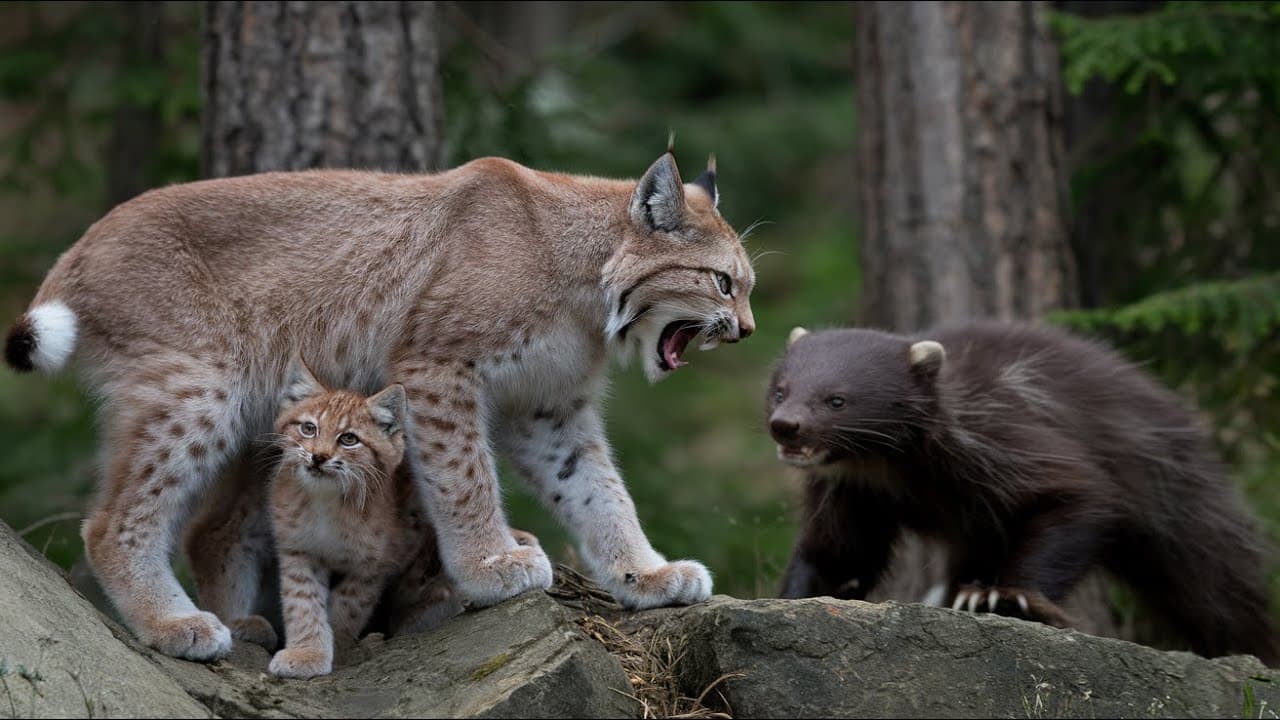
TL;DR
Canada Lynx are resilient predators thriving in Arctic wilderness.
Transcript
as Guardians of The arctic's Fragile ecosystems we Marvel at the Canada Lynx Lynx canadensis a symbol of resilience and Precision in the harsh Northern Wilderness these enigmatic cats cloaked in silence and snow are uniquely equipped to navigate one of the planet's most unforgiving habitats their journey through life from mating and... Read More
Key Insights
- The Canada Lynx is a symbol of resilience, surviving in the harsh Arctic environment with unique adaptations.
- Mating season occurs in winter, marked by haunting calls and fierce competition among males for females.
- After a gestation of 63 days, females give birth in late spring when food is abundant, ensuring survival of the young.
- Kittens are born blind and vulnerable, relying entirely on their mother's protection and care in the early stages.
- The lynx's diet mainly consists of snowshoe hares, with their populations rising and falling in tandem.
- Adaptations like oversized, fur-padded paws enable the lynx to move effortlessly over snow, aiding in hunting.
- Dens are carefully chosen by females to protect their young from predators and harsh weather, serving as sanctuaries.
- The Canada Lynx exemplifies the balance of predator and prey, highlighting the fragility of the Arctic ecosystem.
Install to Summarize YouTube Videos and Get Transcripts
Explore YouTube Video Summarizer or Get YouTube Transcript Extractor
Questions & Answers
Q: What is the mating behavior of the Canada Lynx?
The mating behavior of the Canada Lynx involves a brief but intense competition among males during the winter months, typically from February to March. Males are drawn by the scent of a fertile female and traverse vast expanses of snow to compete for her attention, marked by haunting calls and displays of dominance.
Q: How do female lynxes ensure the survival of their young?
Female lynxes ensure the survival of their young by giving birth in late spring when food supplies are at their peak. They choose secluded dens to protect their kittens from predators and harsh weather, providing care and teaching essential survival skills to prepare them for life in the wild.
Q: What role do snowshoe hares play in the lynx's survival?
Snowshoe hares play a crucial role in the lynx's survival as they make up the majority of the lynx's diet. The predator-prey relationship is finely tuned, with lynx populations rising and falling in tandem with hare numbers, demonstrating the delicate balance of the Arctic ecosystem.
Q: What adaptations help the Canada Lynx thrive in the Arctic?
The Canada Lynx thrives in the Arctic thanks to adaptations such as oversized, fur-padded paws that enable them to glide effortlessly over snow. Their razor-sharp hearing and keen vision make them adept hunters, even in dim Arctic light, allowing them to strike with deadly accuracy.
Q: How do lynxes teach their young survival skills?
Lynxes teach their young survival skills by guiding them through their early development stages. As the kittens grow, they venture outside the den under their mother's watchful eye. They learn vital skills rooted in generations of instinct, equipping them to claim their place in the wild.
Q: Why are dens important for female lynxes and their young?
Dens are important for female lynxes and their young as they provide a safe haven from predators and harsh weather. These carefully chosen sanctuaries are more than just physical structures; they are cradles of life where mothers nurture and protect their young, fostering the next generation.
Q: What does the existence of the Canada Lynx signify?
The existence of the Canada Lynx signifies the intricate balance of predator and prey, warmth and cold, life and survival. Their presence underscores the fragility of the Arctic ecosystem and serves as a reminder of the responsibility to protect these pristine environments for future generations.
Q: How does the Canada Lynx's hunting strategy contribute to its survival?
The Canada Lynx's hunting strategy is crucial to its survival, relying on patience, stealth, and precision to catch prey, primarily snowshoe hares. Their adaptations, such as keen senses and specialized paws, allow them to hunt effectively in the challenging Arctic environment, ensuring their continued existence.
Summary & Key Takeaways
-
The Canada Lynx is a resilient predator thriving in the harsh Arctic wilderness, with unique adaptations for survival. Their mating season is a brief but intense period of competition among males, ensuring the continuation of the species.
-
Female lynxes give birth in late spring, when food is plentiful, to ensure the survival of their vulnerable kittens. These young lynxes rapidly develop survival skills under the watchful eye of their mother, preparing them for life in the wild.
-
The lynx's survival hinges on its mastery of hunting, particularly snowshoe hares, with populations rising and falling together. Their adaptations, including oversized paws, enable them to move effortlessly over snow, making them adept hunters.
Read in Other Languages (beta)
Share This Summary 📚
Summarize YouTube Videos and Get Video Transcripts with 1-Click
Try YouTube Summary with ChatGPT & Claude or YouTube Transcript Generator