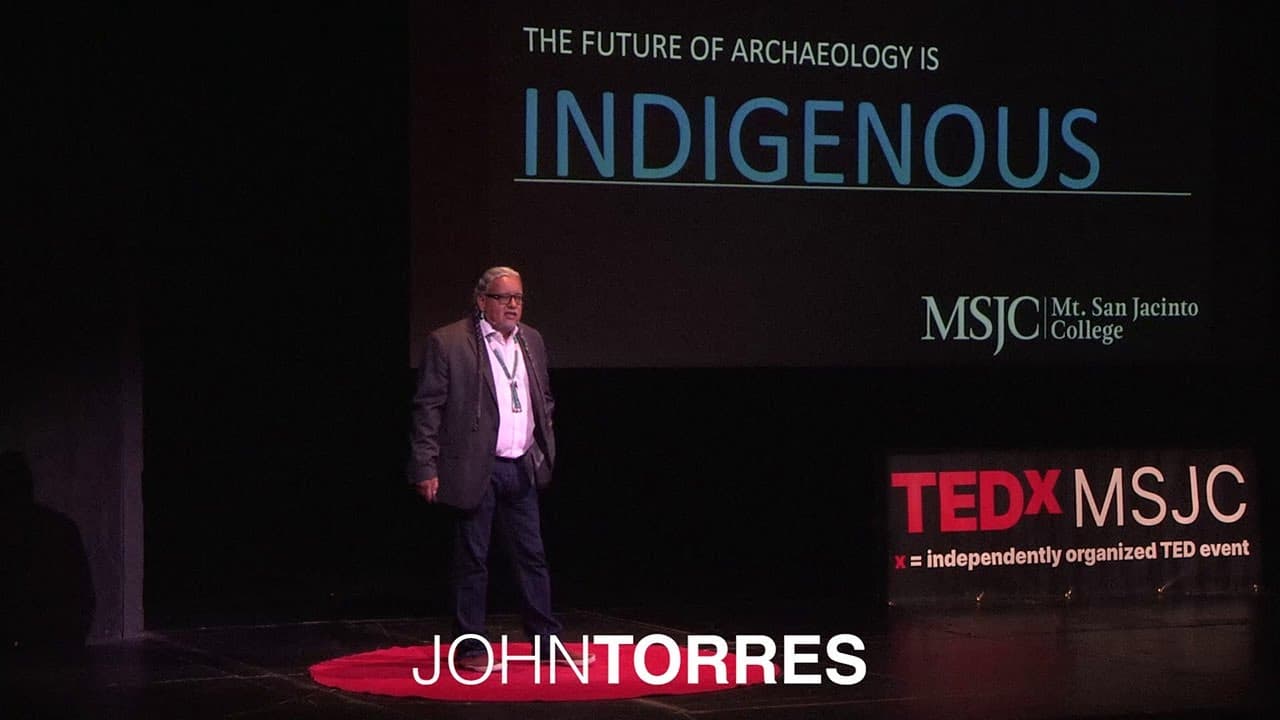
The Future of Archaeology is Indigenous | John Torres | TEDxMSJC
TL;DR
Understanding the evolution of indigenous archaeology in California and its impact on traditional perspectives and archaeological practices.
Transcript
hello everybody uh thank you for coming uh I want to thank our fellow speakers and thank our organizers for today for sure today I'm going to be talking about indigenous archaeology what it is and how it's changing here in California uh but before I start that I must quickly sort of traditionally introduce myself the shanali uh and as a Navajo pers... Read More
Key Insights
- ❓ Indigenous archaeology combines traditional perspectives with archaeological practices to offer a holistic interpretation of heritage.
- 🧑🏭 Laws like the Native American Graves Protection act prioritize repatriation of cultural objects to tribes for ancestral connections.
- 🫡 Amendments like Assembly Bill 52 in California highlight tribal cultural resources, necessitating collaboration and respect for indigenous heritage.
- ❓ Traditional knowledge enhances the understanding and management of archaeological sites, emphasizing cultural significance and sacred narratives.
- 👨🔬 Indigenous involvement in archaeology challenges traditional methodologies and brings diverse perspectives to research and interpretation.
- 🥺 The future of archaeology may lean towards indigenous-led initiatives that prioritize ancestral connections and traditional knowledge.
- 👨🔬 California's evolving laws and initiatives integrate tribal perspectives into archaeological conversations, shaping research practices and heritage management.
Install to Summarize YouTube Videos and Get Transcripts
Explore YouTube Video Summarizer or Get YouTube Transcript Extractor
Questions & Answers
Q: What is the essence of indigenous archaeology?
Indigenous archaeology combines indigenous perspectives and traditional knowledge to interpret archaeological records, providing a holistic view of heritage and history.
Q: How have laws like the Native American Graves Protection and Repatriation Act influenced archaeological practices?
Such laws empower tribes to repatriate cultural objects, shifting the focus towards respecting indigenous heritage and reclaiming ancestral connections.
Q: How has Assembly Bill 52 impacted archaeological initiatives in California?
The amendment includes tribal cultural resources, requiring agencies to engage with tribes directly, leading to complex interactions, and necessitating a new approach to archaeological projects.
Q: What role does traditional knowledge play in shaping indigenous archaeology practices?
Traditional knowledge offers insight into sacred places, objects, and narratives, influencing how archaeological sites are perceived and managed in collaboration with indigenous communities.
Summary & Key Takeaways
-
Indigenous archaeology combines indigenous perspectives and traditional knowledge with archaeological practices.
-
Laws like the Native American Graves Protection and Repatriation Act empower tribes to reclaim cultural objects.
-
Amendments like Assembly Bill 52 in California integrate tribal cultural resources into archaeological discussions, impacting research methodologies.
Read in Other Languages (beta)
Share This Summary 📚
Summarize YouTube Videos and Get Video Transcripts with 1-Click
Try YouTube Summary with ChatGPT & Claude or YouTube Transcript Generator
Explore More Summaries from TEDx Talks 📚




Summarize YouTube Videos and Get Video Transcripts with 1-Click
Try YouTube Summary with ChatGPT & Claude or YouTube Transcript Generator