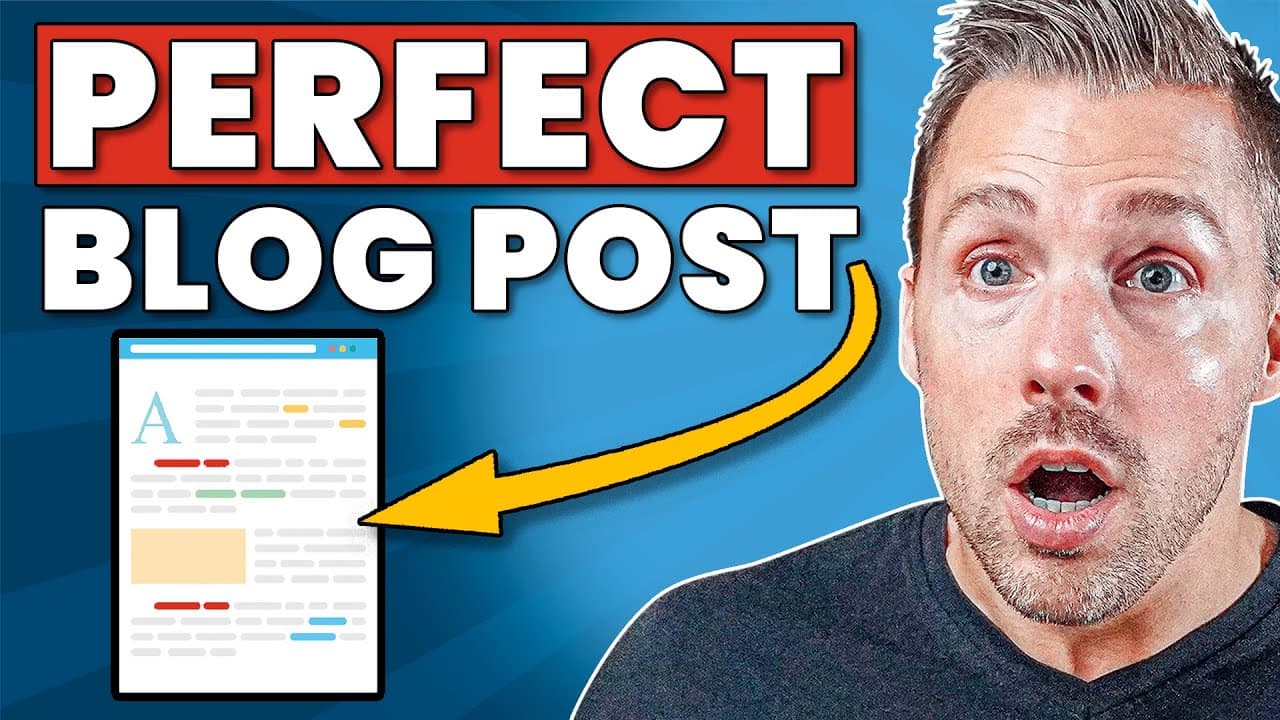
How to Write an Effective Blog Post from Start to Finish
TL;DR
To write an effective blog post, start with a compelling headline that draws readers in, followed by a hook in the first line to keep them engaged. Maintain focus and clarity throughout the content, and conclude with a summary and a clear call to action. Incorporate visuals and edit thoroughly for readability and impact.
Transcript
writing a blog post is one of the most effective cost efficient and all-around best content marketing strategies out there in order to drive new traffic generate new leads make more sales and attract new customers but the key with blogging just like with any other kind of content marketing is an understanding that your results are directly tied to ... Read More
Key Insights
- Headlines are crucial as they attract the majority of readers. Using questions or problem-based headlines can significantly increase engagement.
- The first line of a blog post should hook the reader, encouraging them to continue reading. Ask questions or make bold statements to pique interest.
- Longer blog posts generally perform better, provided they remain focused and relevant. Three to seven subpoints are recommended for depth and context.
- Conclusions should summarize key points and include a clear call to action (CTA) to guide readers on their next steps.
- Keep content focused and concise, avoiding tangents. Short sentences and paragraphs make posts more readable and engaging.
- A conversational tone is essential for effective blog posts. Avoid jargon and complex language to maintain reader interest.
- Editing should be done in phases: content review, reading aloud for flow, and final checks for spelling and grammar.
- Incorporating visuals can enhance blog posts, making them more engaging and shareable. Relevant images and infographics are particularly effective.
Install to Summarize YouTube Videos and Get Transcripts
Explore YouTube Video Summarizer or Get YouTube Transcript Extractor
Questions & Answers
Q: Why is the headline so important in a blog post?
The headline is crucial because it is the first thing readers see and determines whether they will continue reading. A compelling headline can significantly increase engagement by attracting more readers and enticing them to explore the rest of the content. Techniques such as using questions or problem-based headlines can enhance its effectiveness.
Q: What role does the first line of a blog post play?
The first line of a blog post is vital for hooking the reader's attention and encouraging them to continue reading. It should be engaging and intriguing, often achieved by asking a question or making a bold statement. This initial hook sets the tone for the rest of the post and can significantly impact reader retention.
Q: How can longer blog posts be effective without losing focus?
Longer blog posts can be effective if they remain focused on the main topic and avoid unnecessary tangents. Including three to seven subpoints can provide depth and context, allowing for a comprehensive exploration of the subject. It's essential to balance length with relevance, ensuring all content contributes to the post's overall purpose.
Q: What is the importance of a conclusion in a blog post?
A conclusion is important because it wraps up the blog post, summarizing key points and providing a clear call to action (CTA). This guides readers on what to do next, whether it's subscribing, sharing, or taking another specific action. A strong conclusion ensures the reader leaves with a clear understanding and direction.
Q: How can a conversational tone benefit a blog post?
A conversational tone makes a blog post more engaging and relatable, encouraging readers to connect with the content. It involves using simple language, avoiding jargon, and writing as if speaking directly to the reader. This approach helps maintain interest and makes the content more accessible and enjoyable to read.
Q: What are the phases of editing a blog post?
Editing a blog post should be done in phases: first, review the content for clarity and completeness; second, read the post aloud to check for flow and coherence; third, perform a final check for spelling, grammar, and consistency. This structured approach ensures the post is polished and free of errors, enhancing its overall quality.
Q: Why are visuals important in blog posts?
Visuals enhance blog posts by making them more engaging and shareable. Relevant images, infographics, and graphics can illustrate key points, break up text, and evoke emotional responses. They help convey complex information succinctly and can increase the post's appeal, attracting more readers and encouraging sharing.
Q: What is the role of a call to action (CTA) in a blog post?
A call to action (CTA) is a crucial element that guides the reader on what to do next after reading the blog post. It could be subscribing, sharing the post, or making a purchase. A clear and relevant CTA ensures the reader knows the next steps, enhancing engagement and achieving the post's objectives.
Summary & Key Takeaways
-
Writing a blog post involves crafting engaging headlines, hooking readers with the first line, and maintaining focus and relevance throughout. The conclusion should summarize key points and include a CTA.
-
Effective blog posts are concise, conversational, and well-edited. Short sentences and paragraphs improve readability, while a conversational tone keeps readers engaged.
-
Visuals such as images and infographics enhance blog posts, making them more shareable. Editing should be thorough, ensuring content is clear and free of errors.
Read in Other Languages (beta)
Share This Summary 📚
Summarize YouTube Videos and Get Video Transcripts with 1-Click
Try YouTube Summary with ChatGPT & Claude or YouTube Transcript Generator
Explore More Summaries from Adam Erhart 📚





Summarize YouTube Videos and Get Video Transcripts with 1-Click
Try YouTube Summary with ChatGPT & Claude or YouTube Transcript Generator